
Have you ever wondered what temperature diesel fuel freezes at and how it might affect your vehicle or equipment? Knowing this can save you from unexpected breakdowns and costly repairs, especially in cold weather.
You’ll discover the exact freezing point of diesel fuel, why it matters to you, and simple tips to keep your engine running smoothly when temperatures drop. Keep reading to protect your investment and stay prepared all winter long.

Credit: www.trucksales.com.au
Diesel Fuel Basics
Understanding diesel fuel is key to knowing why it freezes. Diesel fuel is a common choice for many engines, especially trucks and machinery. It is different from gasoline in how it burns and behaves at low temperatures. Knowing diesel fuel basics helps you manage cold weather challenges.
Types Of Diesel Fuel
Diesel fuel comes in several types. Each type suits different climates and engine needs.
- Petrodiesel:The most common diesel made from crude oil.
- Biodiesel:Made from vegetable oils or animal fats, renewable and cleaner.
- Winter Diesel:Special blend with additives to prevent freezing.
- Off-road Diesel:Used in construction or farming equipment, often dyed.
Winter diesel has lower freezing points. It stays liquid in colder weather.
Composition And Properties
Diesel fuel is a mix of hydrocarbons. These are molecules made of hydrogen and carbon. The exact mix changes with the source and refining process.
Key properties include:
- Flash Point:Temperature when fuel can ignite, usually above 52°C (126°F).
- Cloud Point:The temperature where wax crystals start to form.
- Pour Point:The lowest temperature fuel still flows.
- Viscosity:How thick or thin the fuel is.
Wax crystals cause diesel to gel in cold. This blocks fuel filters and lines.
Knowing these properties helps prevent diesel freezing problems.
Credit: www.ram1500diesel.com
Freezing Point Of Diesel
Understanding the freezing point of diesel fuel is crucial, especially if you rely on diesel engines during cold weather. Unlike water, diesel doesn’t freeze sharply but instead becomes cloudy and gels at certain low temperatures, which can cause serious engine problems. Knowing these temperatures helps you prepare and maintain your vehicle or equipment without unexpected breakdowns.
Cloud Point Vs Pour Point
The cloud pointis the temperature at which wax crystals start to form in diesel, making the fuel look cloudy. This is the first sign that the fuel is beginning to freeze and can clog filters.
The pour pointis the temperature where diesel becomes so thick that it stops flowing. At this stage, fuel can no longer move through fuel lines, causing the engine to stall.
Most diesel fuels have a cloud point between -7°C and -15°C (20°F to 5°F), while their pour point is usually a few degrees lower. Do you check these points before winter hits? It could save you from a lot of trouble.
Factors Affecting Freeze Temperature
Several factors influence at what temperature your diesel will freeze or gel:
- Diesel type:Biodiesel freezes at higher temperatures than regular diesel.
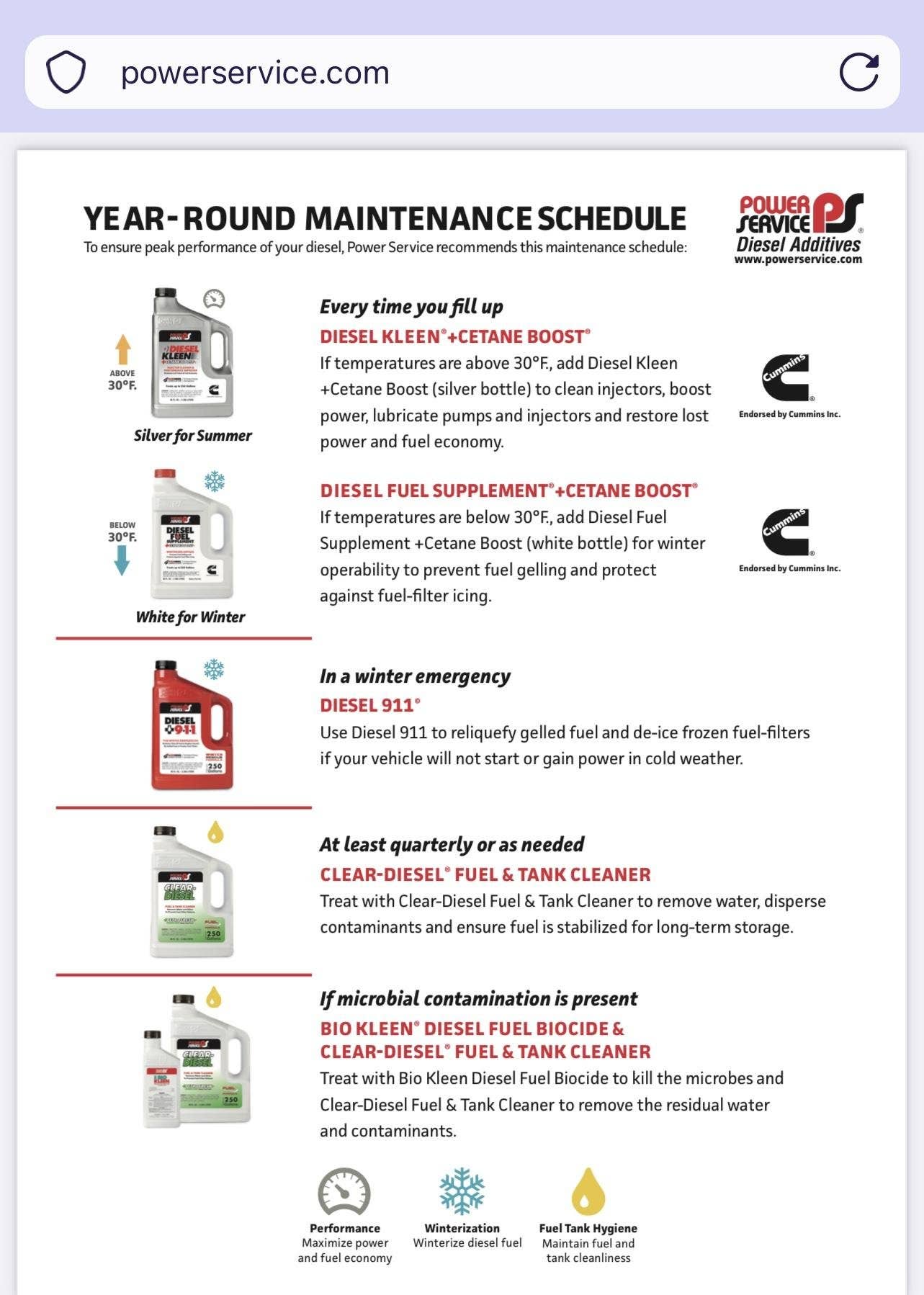
- Fuel additives:Anti-gel additives lower the freezing point and keep fuel flowing.
- Storage conditions:Fuel stored outside in cold climates freezes faster.
- Wax content:Higher wax content means higher cloud and pour points.
Think about the diesel you use. Is it treated for winter? Your vehicle’s performance depends heavily on these details. Ignoring them could leave you stranded in freezing temperatures.
Effects Of Cold Weather On Diesel
Cold weather affects diesel fuel in several ways. Diesel can begin to freeze or gel at low temperatures. This change impacts how the fuel flows and how well the engine runs. Understanding these effects helps prevent engine problems during winter.
Fuel Gelling And Wax Formation
Diesel fuel contains paraffin wax. At low temperatures, this wax starts to solidify. This process is called fuel gelling. The wax crystals thicken the fuel, making it harder to pump.
Fuel gelling clogs fuel filters and lines. It stops the fuel from reaching the engine properly. Cold weather can cause this problem even before the fuel fully freezes.
Impact On Engine Performance
When diesel gels, the engine struggles to start. The fuel flow reduces, causing rough idling or stalling. Engines may fail to run if the fuel lines are blocked.
Cold fuel also burns less efficiently. This lowers engine power and increases emissions. Regular checks and proper additives help maintain smooth engine function in cold weather.
Preventing Diesel Fuel Freeze
Diesel fuel can freeze in cold weather, causing engine problems and delays. Preventing diesel fuel freeze keeps engines running smoothly in winter. Simple steps help protect fuel from freezing and maintain vehicle performance.
Additives And Treatments
Additives lower the freezing point of diesel fuel. They stop wax crystals from forming inside the tank. Use additives designed for winter or cold climates. Add them before temperatures drop below 32°F (0°C). Follow the product instructions for the correct amount. Some additives also improve fuel flow and engine start-up. Treating fuel regularly helps avoid clogged filters and engine issues.
Storage Tips For Cold Climates
Store diesel in a clean, insulated container to reduce freezing risk. Keep tanks full to limit air space and moisture buildup. Avoid storing fuel outside in unprotected areas. Place tanks in a sheltered spot away from wind. Use heated storage or tank heaters if possible. Check fuel condition often during cold months. Proper storage extends fuel life and prevents gel formation.
Diesel Alternatives For Winter
If you rely on diesel fuel during the colder months, you know how frustrating it can be when your engine struggles to start or runs poorly because the fuel has thickened or gelled. Diesel fuel freezing is a real challenge, but there are smarter options to keep your engine running smoothly in winter conditions. Let’s look at some diesel alternatives designed specifically for cold weather that can save you from unexpected downtime and costly repairs.
Winterized Diesel Fuels
Winterized diesel fuels are specially treated to resist gelling and freezing at lower temperatures. These fuels often contain additives that lower the pour point, meaning they stay fluid even when the mercury drops below freezing. You might find these winter blends at your local fuel station during colder months, and using them can prevent clogged fuel lines and filters.
Think about the last time your diesel vehicle didn’t start on a chilly morning. Switching to winterized diesel could have avoided that hassle. These fuels maintain better flow and combustion, giving you peace of mind and saving you the trouble of fuel-related breakdowns.
Biodiesel And Cold Weather
Biodiesel is a popular alternative to traditional diesel, made from vegetable oils or animal fats. However, biodiesel tends to gel at higher temperatures compared to regular diesel, which can be a problem in cold climates. You’ll often see biodiesel blends labeled as B5 or B20, indicating the percentage of biodiesel mixed with petroleum diesel.
If you want to use biodiesel during winter, consider blending it with winterized diesel or using additives to improve cold flow properties. Have you ever wondered why some diesel vehicles perform worse in winter despite using biodiesel? It’s all about the blend and how well it handles freezing conditions.
By choosing the right diesel alternative and understanding its behavior in cold weather, you can keep your engine running efficiently, no matter how low the temperature drops.
Monitoring And Maintenance
Keeping an eye on your diesel fuel and engine health is key to avoiding freezing problems. Cold weather can turn diesel into a gel-like substance that clogs your fuel system, making your engine struggle or fail to start. You can prevent this by monitoring fuel quality and maintaining your engine regularly.
Checking Fuel Quality
Diesel fuel can vary in quality, and poor quality fuel freezes faster. Always buy diesel from trusted suppliers who offer winterized fuel blends designed to resist freezing.
Keep an eye out for any cloudiness or crystals in the fuel tank or filter; these are signs of wax formation due to cold. Using fuel additives specifically made for winter conditions can lower the freezing point and keep your fuel flowing smoothly.
Have you ever noticed your engine sputtering on a cold morning? It might be time to test your fuel quality and add an anti-gel additive before it’s too late.
Regular Engine Care
Regular engine maintenance helps catch issues that could worsen in cold weather. Change your fuel filters on schedule, as clogged filters increase the risk of fuel starvation when temperatures drop.
Check your fuel lines and injectors for leaks or cracks that cold can worsen. Make sure your battery is strong, since cold weather demands more power to start the engine.
A simple tip: run your engine periodically in cold weather to keep fuel circulating and prevent gel build-up. How often do you check your engine’s readiness for winter? Taking small steps now can save you from big headaches later.

Credit: www.trucksales.com.au
Frequently Asked Questions
What Temperature Does Diesel Fuel Start To Freeze?
Diesel fuel begins to gel or freeze around 15°F (-9°C). This varies by diesel type and additives used. Cold weather can cause wax crystals to form, thickening the fuel and potentially clogging filters and fuel lines.
How Can I Prevent Diesel Fuel From Freezing?
Use winterized diesel blends or add anti-gel additives. Keep your tank full to reduce condensation. Store diesel in heated or insulated areas. Regularly maintain your fuel system to avoid blockages caused by wax crystals.
What Happens If Diesel Fuel Freezes In My Engine?
Frozen diesel can clog fuel filters and lines, preventing fuel flow. This causes engine starting problems or stalls. It may damage fuel pumps and injectors if forced to operate with blocked fuel.
Does Biodiesel Freeze At The Same Temperature As Diesel?
Biodiesel typically freezes at higher temperatures than regular diesel. It can gel around 30°F (-1°C) or higher, depending on the blend. Mixing biodiesel with regular diesel lowers its freezing point and improves cold-weather performance.
Conclusion
Understanding diesel fuel’s freezing point is crucial for vehicle performance. Cold weather can thicken diesel, affecting engine efficiency. Proper storage and additives prevent freezing. Regular checks ensure fuel stays in optimal condition. This knowledge aids in maintaining vehicle reliability. Keep diesel engines running smoothly in chilly conditions.
Simple measures make a significant difference. Always be prepared for cold temperatures. Awareness helps in avoiding unwanted breakdowns. Stay informed about diesel care. Protect your investment with these essential tips. Your vehicle will thank you.