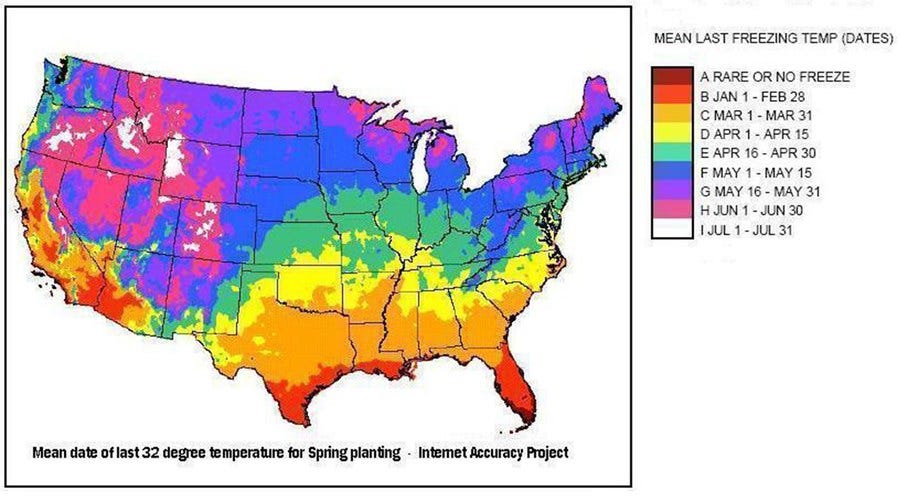
Ever wondered about the freezing point of kerosene? You’re not alone.
Knowing this can be crucial, especially if you’re using kerosene for heating or in your aviation adventures. Imagine the frustration of discovering that your kerosene supply has gelled in the cold, leaving you without heat or delaying your flight. Understanding the freezing temperature of kerosene can save you from these hassles and ensure you’re always prepared.
Dive in to discover everything you need to know about kerosene’s freezing point, and arm yourself with knowledge that could make a real difference in your daily life.
Kerosene Basics
Kerosene is a widely used fuel known for its versatility and reliability. Understanding its basics can help you handle it safely and effectively, especially when considering how temperature affects its state. Let’s break down what kerosene is made of and where it’s commonly used.
Composition And Types
Kerosene is a liquid hydrocarbon fuel derived from crude oil. It mainly consists of carbon chains ranging from 10 to 16 carbon atoms. This composition makes it less volatile than gasoline but more so than diesel.
There are different types of kerosene, often labeled as K-1, K-2, and K-3. K-1 is the most common and cleanest type, used for heating and lighting. K-2 and K-3 have higher sulfur content and are often used in industrial applications.
Common Uses
Kerosene powers many household and industrial devices. You might have seen it used in portable heaters, camping stoves, and lanterns. Its energy density and clean burn make it ideal for these purposes.
In aviation, kerosene is refined into jet fuel, highlighting its importance beyond everyday use. Have you ever wondered why your camping stove works even in chilly weather? Kerosene’s ability to remain liquid at low temperatures plays a big role.
Credit: www.mathsisfun.com
Freezing Point Of Kerosene
Kerosene is a common fuel used in heaters, lamps, and engines. Knowing its freezing point helps prevent problems in cold weather. The freezing point shows the temperature where kerosene starts to solidify. This point can vary due to several factors. Understanding these can help keep kerosene flowing smoothly during winter.
Typical Temperature Range
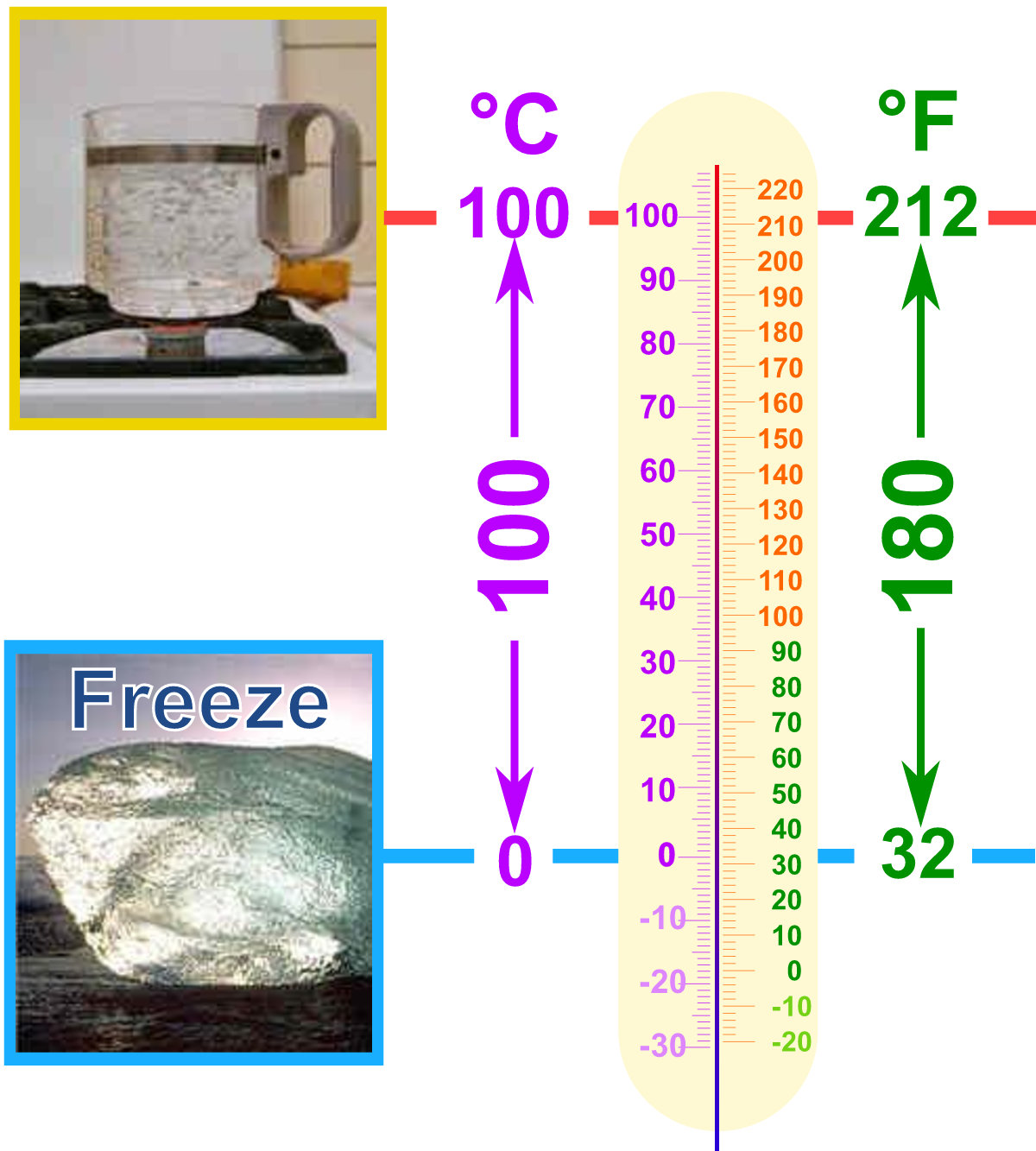
Kerosene usually freezes between -40°C and -50°C (-40°F to -58°F). This range means kerosene stays liquid in most cold climates. The exact freezing point depends on the kerosene type and its purity. Pure kerosene has a lower freezing point than mixed or contaminated fuel. This makes it reliable for use in cold environments.
Factors Affecting Freezing Point
- Quality of kerosene: Higher purity lowers the freezing point.
- Presence of additives: Some additives can raise or lower freezing points.
- Storage conditions: Exposure to moisture can change freezing behavior.
- Type of hydrocarbons: Different blends freeze at different temperatures.
These factors cause kerosene’s freezing point to vary slightly. Checking fuel quality before cold seasons is wise. Proper storage helps maintain kerosene’s effectiveness in freezing weather.
Effects Of Freezing On Kerosene
Kerosene freezes at very low temperatures, but freezing still affects its quality. When kerosene freezes, its physical and chemical properties change. These changes impact how well kerosene works in different applications. Understanding these effects helps in storing and using kerosene safely in cold environments.
Changes In Physical Properties
Freezing causes kerosene to become cloudy or form crystals. The liquid thickens and loses its smooth flow. Density may slightly increase, affecting volume measurements. The color might darken or become uneven. These physical changes can cause blockages in fuel lines and filters.
Impact On Performance
Frozen kerosene burns less efficiently. It may cause incomplete combustion and soot buildup. Engines and heaters may struggle to start or run smoothly. Fuel pumps can get damaged due to clogged filters. Overall, freezing reduces kerosene’s reliability and safety in cold conditions.
Preventing Kerosene From Freezing
Kerosene can freeze at very low temperatures, which may cause problems during cold weather. Preventing kerosene from freezing ensures it flows smoothly and powers your equipment. Proper care and storage help maintain its quality and usability even in freezing conditions.
Storage Tips
- Store kerosene in a cool, dry place away from direct sunlight.
- Use containers made of materials that resist cold, like metal or thick plastic.
- Keep containers sealed tightly to avoid moisture entering.
- Store kerosene indoors or in insulated areas during winter.
- Avoid storing kerosene near heat sources to prevent evaporation.
Additives And Treatments
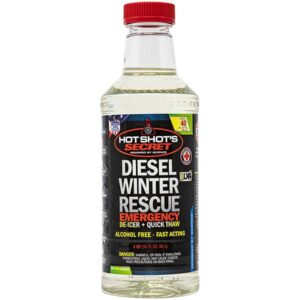
- Use anti-gel additives designed to lower kerosene’s freezing point.
- Add stabilizers to prevent fuel degradation over time.
- Mix additives according to manufacturer instructions for best results.
- Test treated kerosene before use to check flow and performance.
- Replace kerosene regularly to keep it fresh and effective.
Testing And Handling Frozen Kerosene
Handling kerosene that has frozen can be tricky if you don’t know the signs or how to safely thaw it. Testing and dealing with frozen kerosene requires careful attention to avoid damage to your equipment and ensure the fuel works properly when needed. Knowing what to look for and how to respond can save you time and frustration, especially in colder climates.
Signs Of Freezing
You might notice kerosene freezing if it looks cloudy or has a gel-like consistency instead of flowing smoothly. It may also cause your heater or lamp to sputter or fail to start. Pay attention if the fuel filter clogs quickly or if the fuel pump struggles; these are common signs that kerosene has thickened or frozen inside the system.
Have you ever tried to pour kerosene only to find it sluggish or partially solid? This is a clear indication that the temperature has dropped below its freezing point, usually around -40°F (-40°C) for standard kerosene. Knowing this helps you act before your equipment stops working.
Methods To Thaw Safely
Thaw frozen kerosene slowly to prevent damage. Avoid using open flames or direct heat sources like a stove, as this can be dangerous and degrade the fuel.
- Place the container in a warm room or near a gentle heat source, such as a radiator or heat vent.
- Use warm water (not hot) to gradually raise the temperature of the container, but ensure no water seeps inside.
- Stir the kerosene gently once it starts to soften to help it return to liquid form evenly.
Have you considered how quickly rushing the thaw process might harm your fuel? Slow and steady warming preserves kerosene’s quality and keeps your equipment safe. Always inspect the fuel after thawing to confirm it’s clear and fluid before use.
Credit: www.hotshotsecret.com
Credit: www.greentractortalk.com
Frequently Asked Questions
What Temperature Does Kerosene Freeze At?
Kerosene freezes at around -40°F (-40°C). This temperature varies slightly depending on its specific blend and additives. It remains liquid in most cold climates, making it useful for heating and fuel in winter.
How Does Kerosene Behave In Cold Weather?
In cold weather, kerosene thickens but rarely freezes at typical outdoor temperatures. Its low freezing point ensures it flows well in heaters and lamps even in freezing conditions.
Can Kerosene Freeze In Home Heating Systems?
Kerosene generally does not freeze in home heating systems due to its low freezing point. Proper storage and use prevent solidification, ensuring efficient burning and heating during cold seasons.
Why Is Kerosene Preferred In Cold Climates?
Kerosene is preferred in cold climates because it stays liquid at very low temperatures. This property allows it to fuel heaters and lamps reliably without freezing or clogging.
Conclusion
Kerosene freezes at very low temperatures, usually below -40°F (-40°C). This means it stays liquid in most cold environments. Knowing this helps you store and use kerosene safely. Always keep kerosene away from extreme cold to avoid freezing issues. Proper handling ensures your equipment works well.
Cold weather should not stop you from using kerosene. Keep this in mind for all your heating and lighting needs. Simple care keeps kerosene reliable in winter months.