Have you ever wondered what temperature causes natural gas to freeze? It’s a question that might not cross your mind until you face a chilly winter and rely on natural gas to keep your home warm and cozy.
Understanding this can be crucial, especially if you live in an area that experiences frigid temperatures. Imagine waking up to a freezing home because your gas supply has been interrupted. That’s a scenario nobody wants to experience. By knowing the freezing point of natural gas, you can take preventive measures to ensure your heating system runs smoothly all winter long.
So, stay with us as we delve into this topic, revealing the facts and tips that could save you from a frosty predicament.
Natural Gas Composition
Natural gas is a mixture of several gases found underground. Its main component is methane, which makes up most of the gas. Other gases are present in smaller amounts. These include ethane, propane, butane, and some impurities like carbon dioxide and nitrogen.
The exact mix of gases affects the properties of natural gas, such as its freezing point. Understanding its composition helps explain why natural gas freezes at very low temperatures.
Methane: The Primary Component
Methane is the largest part of natural gas. It is a simple molecule made of one carbon and four hydrogen atoms. Methane is very flammable and provides most of the energy when natural gas is burned.
Other Hydrocarbons In Natural Gas
Natural gas contains small amounts of other hydrocarbons. These include ethane, propane, and butane. They add to the energy content and affect how the gas behaves at low temperatures.
Non-hydrocarbon Gases
Natural gas also has gases like nitrogen and carbon dioxide. These do not burn but can change the gas’s properties. Their presence can slightly alter the freezing point.
Impurities And Moisture
Trace amounts of water vapor and other impurities exist in natural gas. Water can freeze and cause blockages in pipelines. Removing moisture is important for safe and efficient gas transport.

Credit: www.aol.com
Freezing Point Of Methane
Methane is the main component of natural gas. Understanding its freezing point is important for handling and storage. The freezing point of methane tells us the temperature at which it changes from gas or liquid to solid.
Methane freezes at a very low temperature. This temperature is far below what we experience in everyday life. Knowing this helps prevent problems in pipelines and equipment used in cold climates.
What Is The Freezing Point Of Methane?
The freezing point of methane is about -182.5 degrees Celsius (-296.5 degrees Fahrenheit). At this temperature, methane turns from liquid to solid. It is extremely cold compared to water or other common substances.
Why Does Methane Freeze At Such A Low Temperature?
Methane molecules are small and light. They need very low temperatures to slow down and stick together. This is why methane freezes only in extreme cold. Most natural gas systems operate well above this temperature.
Effects Of Methane Freezing In Natural Gas Systems
- Blockage in pipelines during extreme cold weather
- Damage to storage tanks if not properly insulated
- Increased maintenance costs due to freezing-related issues
How To Prevent Methane Freezing
- Use insulation on pipelines and tanks
- Keep the gas temperature above freezing point
- Apply heating elements in critical areas
Factors Affecting Freezing Temperature
The freezing temperature of natural gas is not fixed. Several factors influence when natural gas will freeze. Understanding these factors helps in handling and storing natural gas safely. These influences can change the temperature at which natural gas turns solid.
Natural gas is a complex mixture. Its freezing point depends on pressure, composition, and impurities. Each factor plays a role in altering the freezing behavior of the gas.
Pressure Influence
Pressure affects the freezing temperature of natural gas significantly. At higher pressures, gases tend to freeze at higher temperatures. This happens because molecules are pushed closer together. When pressure drops, the freezing point usually lowers. This relationship is crucial in pipelines and storage tanks.
Gas Mixtures
Natural gas is rarely pure methane. It contains other gases like ethane, propane, and butane. These gases have different freezing points. Mixed gases freeze at a temperature different from pure methane. The exact freezing temperature depends on the ratio of these gases. Variations in the mixture can raise or lower the freezing point.
Impurities Impact
Impurities such as water and carbon dioxide affect freezing. Water can freeze and block pipelines at higher temperatures than methane. Carbon dioxide can form dry ice, causing blockages. Even small amounts of impurities change the freezing behavior. Removing impurities is key to maintaining smooth gas flow.

Credit: extension.psu.edu
Effects Of Low Temperatures On Gas Pipelines
Gas pipelines face serious challenges at low temperatures. Natural gas itself does not freeze easily due to its gaseous state under normal pipeline conditions. Yet, the components in the pipeline and the environment can suffer from cold weather. These effects can cause safety risks and operational problems. Understanding how cold impacts pipelines helps in maintaining a steady gas supply and preventing damage.
Potential Freezing Risks
Water and moisture inside pipelines can freeze and block gas flow. Ice formations, called hydrates, may form under high pressure and low temperature. These blockages reduce pipeline efficiency and can cause pressure build-up. Frozen valves and meters may stop working properly. Low temperatures also increase the risk of leaks due to material contraction. Regular maintenance and dehydration processes help avoid freezing issues.
Pipeline Material Behavior
Cold temperatures affect pipeline metals and materials differently. Steel becomes more brittle and prone to cracking as it gets colder. Plastic and composite pipes may shrink or lose flexibility. These changes increase the chance of pipeline failure or leaks. Engineers select materials that resist cold damage for pipelines in cold regions. Insulation and heating systems protect pipelines from extreme cold effects.
Preventing Natural Gas Freezing
Preventing natural gas from freezing is essential for safe and efficient operation. Natural gas can freeze under very cold temperatures, causing blockages in pipes and equipment. Taking steps to stop freezing helps avoid costly repairs and service interruptions. Simple measures can keep gas flowing smoothly even in harsh weather.
Insulation Techniques
Insulating pipes and valves keeps them warm and protects against freezing. Use foam sleeves or fiberglass wraps around exposed sections. Seal gaps where cold air can enter. Insulation traps heat inside, preventing ice buildup. This method is cost-effective and easy to install.
Heating Solutions
Applying heat to natural gas lines prevents freezing in extremely cold conditions. Electric heat tapes or heating cables work well for this purpose. They maintain a steady temperature along the pipes. Some systems include automatic thermostats to control heat output. Heating solutions ensure pipes stay above freezing point.
Flow Maintenance
Keeping natural gas moving reduces the chance of freezing. Slow or stagnant gas flow allows ice to form inside pipes. Regularly checking and maintaining proper flow rates is crucial. Use pressure regulators and flow meters to monitor conditions. Continuous flow helps maintain temperature and prevents blockages.
Signs Of Gas Freezing In Systems
Signs of gas freezing in natural gas systems can be subtle but critical. Detecting these signs early helps avoid system failure and costly repairs. Gas freezing happens when temperatures drop below natural gas’s dew point. This causes moisture and heavier hydrocarbons to freeze inside pipes and equipment.
Recognizing these symptoms ensures timely action. It keeps gas flowing smoothly and safely.
Pressure Drop In Pipelines
A sudden drop in pressure can indicate ice blockages. Frozen gas restricts flow, causing pressure loss downstream. Operators often notice fluctuating or low pressure readings during freezing events.
Reduced Gas Flow Rate
When ice forms, gas flow slows or stops. This can disrupt supply to homes or industries. Flow meters show less volume than usual, signaling a problem.
Unusual Noises In The System
Freezing gas can cause strange sounds like hissing or banging. These noises come from trapped ice or sudden pressure changes. Such noises warn technicians of possible ice buildup.
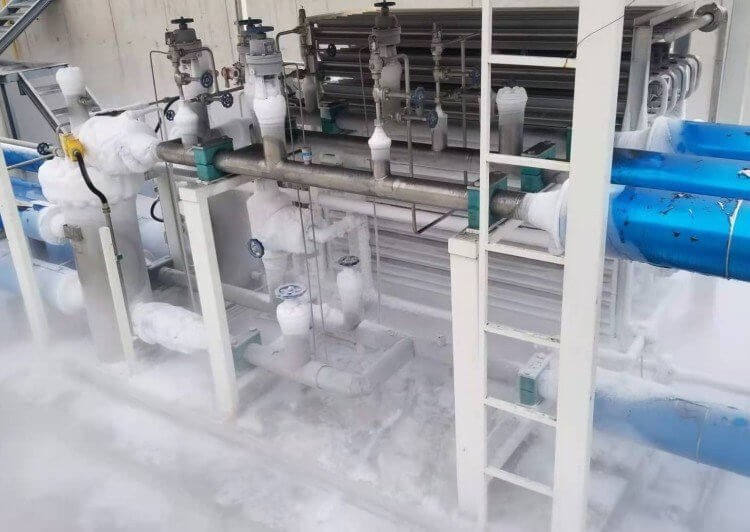
Frost Or Ice On Pipes
Visible frost or ice on external pipes suggests internal freezing. Cold weather combined with moisture leads to this frost. This visual clue helps identify freezing points in the system.
Equipment Malfunction Or Shutdown
Frozen gas can cause valves and regulators to malfunction. Equipment may shut down to avoid damage. Unexpected shutdowns often trace back to gas freezing issues.
Increased Energy Consumption
Systems working harder to push frozen gas use more energy. Higher fuel or electricity costs may signal freezing problems inside the pipes.
Handling Frozen Natural Gas Incidents
Handling frozen natural gas incidents requires immediate attention and careful action to avoid dangerous situations. Natural gas can freeze under extremely low temperatures, causing blockages in pipelines or equipment. Knowing how to respond safely and effectively can protect your property and ensure continuous gas flow.
Safety Measures
Your safety is the top priority when dealing with frozen natural gas. Always shut off the gas supply first to prevent leaks or explosions. Avoid using open flames or sparks near the affected area, as frozen gas can lead to unpredictable pressure changes once thawed.
Wear protective gloves and eye protection before inspecting the pipes or valves. If you detect a strong smell of gas, evacuate immediately and call emergency services. Never try to fix frozen gas lines without proper training or equipment.
Thawing Methods
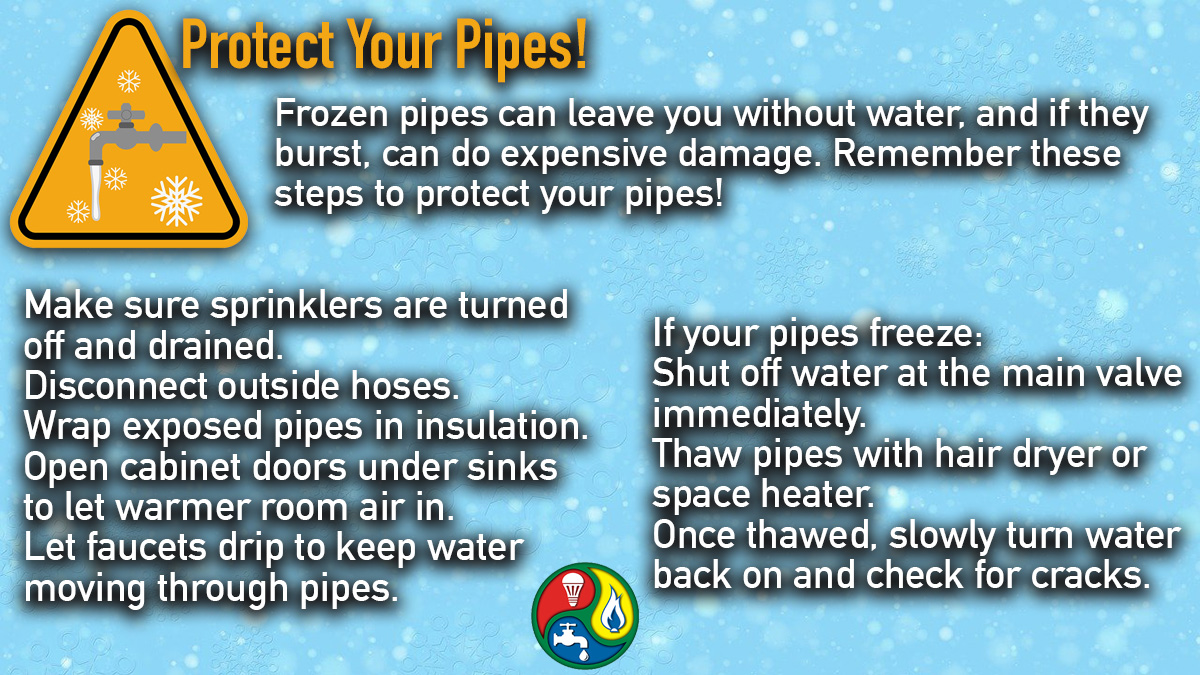
Thawing frozen natural gas pipes requires gentle and controlled heat to avoid damage. You can wrap the frozen section with heated blankets or use warm water applied carefully to the exterior.
A hairdryer or heat gun on a low setting also works well to warm up pipes without causing thermal shock. Avoid using open flames or high heat sources, as these can weaken or crack the pipes.
Have you considered how quickly you can access thawing tools during a cold snap? Keeping these supplies ready can save critical time and reduce the risk of prolonged outages.
Credit: 256today.com
Frequently Asked Questions
At What Temperature Does Natural Gas Freeze?
Natural gas does not freeze under typical conditions. It remains gaseous at extremely low temperatures. Only under very high pressure and around -162°C (-260°F) does it liquefy, not freeze. This makes freezing natural gas highly unlikely in normal environments.
Can Natural Gas Freeze In Pipelines?
Natural gas freezing in pipelines is extremely rare. The gas remains in a gaseous state due to pressure and temperature control. However, moisture in pipelines can freeze, causing blockages. Proper maintenance prevents such freezing, ensuring smooth natural gas flow.
What Causes Natural Gas To Solidify?
Natural gas itself does not solidify under normal conditions. If exposed to extremely cold temperatures and pressure, it liquefies instead. Solidification is not typical because methane and other components require near absolute zero temperatures to freeze, which are not encountered in practical use.
How Does Temperature Affect Natural Gas State?
Temperature directly affects natural gas state. At room temperature and pressure, it stays gaseous. Cooling below -162°C (-260°F) turns it liquid. Only at temperatures near absolute zero would it freeze solid, which is not common in natural gas applications.
Conclusion
Natural gas freezes at extremely low temperatures, much colder than most places experience. This means freezing is very rare in everyday life. Still, knowing the freezing point helps in safety and storage. Cold weather can affect gas pipes, but proper care prevents problems.
Understanding this keeps homes and businesses running smoothly. Always stay aware of your local climate and gas system needs. Keeping natural gas flowing means comfort and safety for all.