
Have you ever experienced the frustration of frozen pipes in the dead of winter? If you have PEX piping in your home, you might be wondering at what temperature this could become a problem for you.
Understanding the freezing point of PEX piping is crucial to preventing costly damages and ensuring your plumbing system runs smoothly all year round. Imagine waking up to find no running water or, even worse, bursting pipes! You deserve peace of mind, and with the right knowledge, you can protect your home from such nightmares.
Dive into this article to discover the exact temperature at which PEX pipes freeze and learn practical tips to safeguard your pipes. Your home deserves it, and so do you!
Pex Pipe Basics
Understanding the basics of PEX pipes is essential before diving into how temperature affects their freezing point. PEX, or cross-linked polyethylene, is a popular choice for plumbing due to its flexibility and durability. Knowing what makes PEX unique helps you make better decisions about its use and care in colder climates.
Material And Structure
PEX pipes are made from polyethylene, which is chemically cross-linked to improve strength and heat resistance. This cross-linking creates a durable, flexible material that resists cracking and breaking under stress.
The structure of PEX allows it to expand slightly if water inside freezes, reducing the risk of bursting compared to traditional metal pipes. This flexibility is a key reason why many homeowners prefer PEX for both hot and cold water supply lines.
Common Uses
PEX pipes are widely used in residential and commercial plumbing systems. They handle hot and cold water delivery, radiant heating, and even some types of snow melting systems.
Because of their resistance to freezing damage, PEX pipes are often installed in areas prone to cold temperatures, such as basements and crawl spaces. Have you ever wondered if your PEX plumbing could survive a harsh winter freeze without any extra insulation?
Freezing Point Of Water In Pex
Water inside PEX pipes freezes at the same temperature as regular water—32°F (0°C). However, understanding how this affects PEX piping is crucial for protecting your plumbing. Water expands as it freezes, and this expansion can put stress on the pipes.
Water Expansion Risks
When water freezes, it expands by about 9%. This expansion creates significant pressure inside the pipe. Even though PEX is more flexible than metal pipes, this pressure can still cause damage.
Have you ever left a faucet dripping during a freeze? That small action helps relieve pressure by allowing water to move, reducing the risk of pipe bursts. Ignoring this simple step can lead to unexpected repairs and costly damage.
Impact On Pipes
PEX pipes are known for their durability and flexibility. They can handle some expansion without cracking, unlike copper or PVC pipes. But there’s a limit—extreme cold or prolonged freezing can cause the pipe to bulge or split.
Protect your pipes by insulating exposed sections and maintaining a consistent indoor temperature. This helps prevent water inside from reaching freezing point. Do you know where your home’s most vulnerable pipe spots are?
Pex Pipe Freeze Resistance
Pex pipes are known for their strong resistance to freezing temperatures. This feature makes them a popular choice in cold regions. Understanding how Pex pipes handle freezing helps in planning plumbing systems safely.
Flexibility Benefits
Pex pipes bend easily without breaking. This flexibility reduces damage from ice expansion inside the pipe. Unlike rigid pipes, Pex can stretch slightly when water freezes. This stretching lowers the chance of cracks and bursts. It also means fewer repairs and less water damage. The flexible nature helps pipes survive harsh winters better.
Temperature Thresholds
Pex pipes start to freeze around 20°F (-6°C) or lower. Yet, their design allows them to handle brief freezes without breaking. The freezing point depends on water flow and pipe insulation. Moving water inside the pipe can delay freezing. Proper insulation also keeps pipes warmer for longer. Still, continuous exposure to extreme cold increases freeze risk. Monitoring temperature and protecting pipes is important for safety.
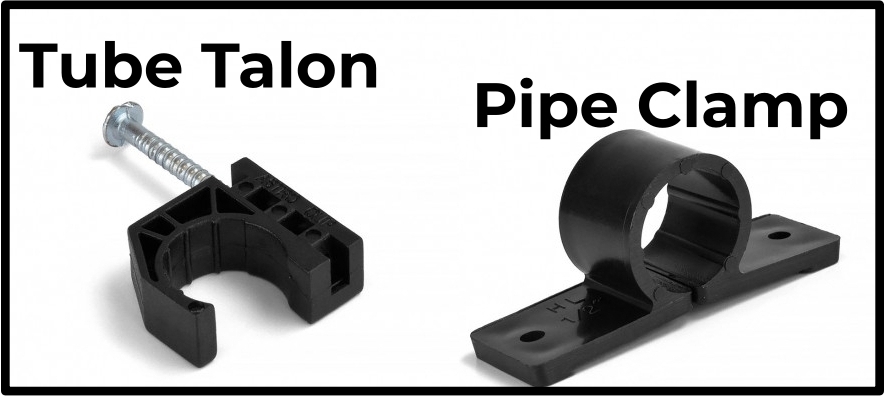
Credit: garynsmith.net
Factors Affecting Pex Freezing
Several factors influence the temperature at which PEX pipes freeze. Understanding these factors helps prevent pipe damage during cold weather. Not all PEX pipes freeze at the same temperature. The design and environment play crucial roles.
Pipe Diameter And Thickness
Thicker PEX pipes resist freezing longer than thinner ones. Larger diameter pipes hold more water, which takes longer to freeze. Small pipes cool quickly and freeze faster. Pipe thickness acts as insulation against cold. The thicker the pipe wall, the better it slows heat loss.
Insulation Quality
Good insulation keeps PEX pipes warmer in cold conditions. Insulation reduces heat loss to the surrounding air. Poorly insulated pipes freeze quickly even if the pipe itself is thick. Materials like foam sleeves or fiberglass wrap improve insulation. Proper insulation creates a barrier against freezing temperatures.
Water Flow And Pressure
Moving water inside PEX pipes lowers the chance of freezing. Flowing water resists ice formation by constant movement. Higher water pressure helps maintain flow, reducing freeze risk. Stagnant water freezes faster, increasing pipe damage risk. Even a slow drip can prevent freezing in cold weather.
Signs Of Freezing In Pex Pipes
Freezing in PEX pipes can cause serious problems in your plumbing system. Early signs help catch the issue before it worsens. Watch for changes in water flow and pipe condition. Acting quickly can prevent costly repairs and water damage.
Reduced Water Flow
When PEX pipes freeze, water flow slows or stops completely. You might notice weak water pressure at faucets. Pipes may feel colder than usual during winter. This blockage happens because ice forms inside the pipe. Reduced flow signals a partial or full freeze.
Visible Pipe Damage
Frozen PEX pipes can show cracks or bulges. Ice expands and puts pressure on the pipe walls. Look for discoloration or frost on the pipe surface. Damaged pipes may leak once the ice melts. Early signs of damage include swelling or soft spots.

Credit: www.angi.com
Preventing Pex Pipe Freezing
Preventing Pex pipe freezing is essential during cold weather. Frozen pipes can burst, causing costly damage. Taking simple steps protects your plumbing and home. Focus on keeping pipes warm and dry to avoid freezing.
Proper Insulation Techniques
Insulate Pex pipes with foam sleeves or fiberglass wrap. Cover all exposed pipes in unheated areas like basements or crawl spaces. Seal gaps around walls and floors to block cold air. Use weather-resistant insulation for outdoor pipes. Proper insulation keeps pipes warmer longer.
Heat Tape And Cable
Heat tape or cable adds warmth directly to pipes. Wrap the tape snugly around the pipe surface. Plug the tape into a grounded outlet for power. Choose thermostatically controlled heat tape for safety. This method prevents freezing even in very low temperatures.
Maintaining Water Flow
Allow faucets to drip slowly during extreme cold. Moving water freezes less easily than still water. Open cabinet doors under sinks to warm air circulation. Keep garage doors closed if pipes run through the garage. These steps help prevent ice formation inside pipes.
Thawing Frozen Pex Pipes
Frozen PEX pipes can cause serious water flow problems. Thawing them carefully is important to avoid damage. Quick action helps restore water supply and prevents pipe bursts.
Safe Thawing Methods
Use gentle heat sources to thaw frozen PEX pipes. A hair dryer works well because it warms evenly. Wrap the pipe with a warm towel to speed up thawing. Space heaters or heat lamps can help in cold areas. Always keep heat moving along the pipe. Avoid using open flames or high heat sources.
Avoiding Pipe Damage
Do not use sharp objects to break ice inside pipes. Sudden pressure can cause PEX pipes to burst. Check pipes for cracks after thawing. Slowly open faucets to relieve pressure. Never leave pipes frozen for long periods. Regularly insulate pipes to reduce freezing risks.
When To Replace Frozen Pex Pipes
Knowing when to replace frozen PEX pipes can save you from costly water damage and plumbing headaches. Sometimes, freezing doesn’t just pause water flow—it can cause permanent damage that requires replacement. Recognizing the right moment to act ensures your home stays safe and your plumbing system reliable.
Signs Of Irreparable Damage
Not all frozen PEX pipes recover after thawing. Look for visible cracks or bulges along the pipe’s surface. These are clear signs the pipe has lost its integrity and can leak or burst later.
Another red flag is a persistent drop in water pressure after thawing. It may mean internal damage or partial blockage inside the pipe. If you notice damp spots or water pooling around the pipe, it’s likely leaking.
Have you checked for discoloration or unusual stiffness in the pipe? These subtle changes often indicate the pipe material has been compromised and won’t perform well under pressure.
Choosing Replacement Options
When replacing frozen PEX pipes, consider the pipe’s diameter and layout in your home. Matching the existing size helps maintain consistent water flow and pressure.
Think about using thicker or insulated PEX tubing for better freeze resistance in vulnerable areas. Insulated pipes reduce freezing risk and can prevent future damage in cold climates.
Also, decide if you want to replace just the damaged section or the entire run. Replacing the whole line can be more costly but may prevent repeated issues in older plumbing systems.
Have you thought about consulting a professional plumber? Their experience can guide you to the best material and installation method for long-term reliability.
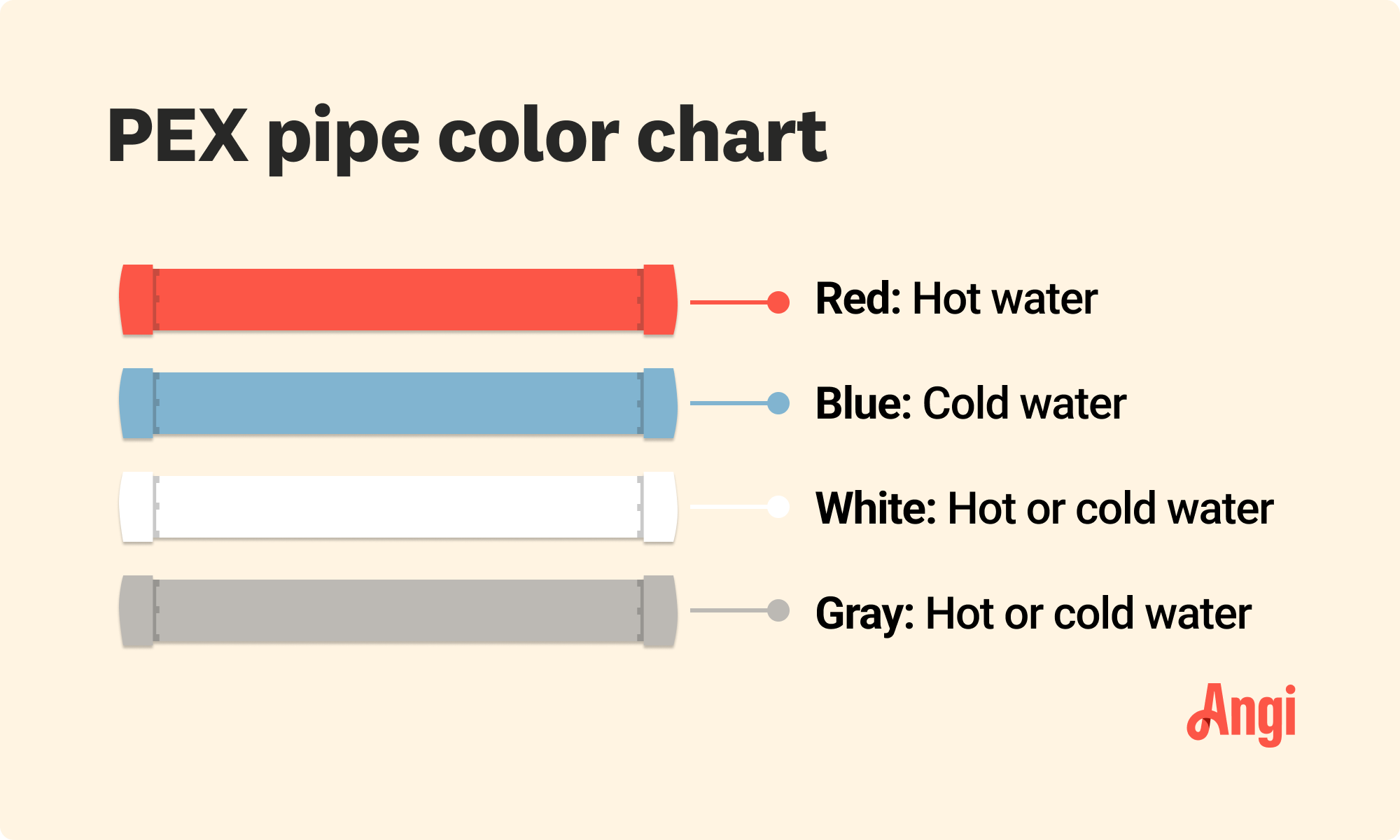
Credit: www.angi.com
Frequently Asked Questions
At What Temperature Does Pex Tubing Freeze?
PEX tubing typically begins to freeze at 32°F (0°C), the freezing point of water. However, PEX is more flexible than metal pipes and can withstand freezing better without bursting.
Can Pex Pipes Burst When Frozen?
PEX pipes are less likely to burst than metal pipes when frozen due to their flexibility. Still, extreme cold or prolonged freezing can cause damage or leaks.
How Does Pex Tubing Handle Freezing Temperatures?
PEX tubing can expand slightly when water inside freezes, reducing burst risk. Proper insulation and temperature control are essential to prevent freezing and damage.
What Are The Best Ways To Prevent Pex Pipes Freezing?
Insulate PEX pipes with foam sleeves or heat tape. Keep indoor temperatures above freezing and allow faucets to drip during extreme cold.
Conclusion
PEX pipes can freeze if temperatures drop below 20°F (-6°C). They resist freezing better than metal pipes but are not immune. Water inside can still freeze and cause damage. Keep pipes insulated during cold weather. Let faucets drip to prevent freezing.
Knowing the freeze temperature helps protect your plumbing. Stay prepared to avoid costly repairs. Simple steps can save you trouble later. Stay safe and keep your pipes warm this winter.