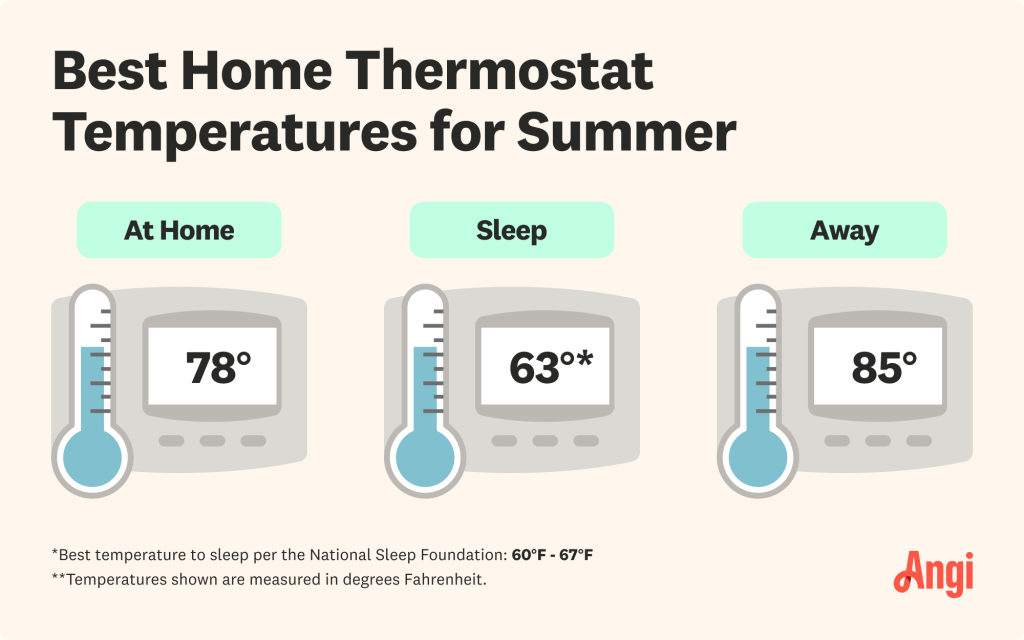
Are you wondering what temperature your air conditioner should be set to for the perfect balance of comfort and savings? Finding the right setting can make a big difference—not just in how cool your home feels, but also in your energy bills.
If you set it too low, you might waste money; set it too high, and you won’t feel comfortable. You’ll discover the ideal temperature to keep your space cool, save energy, and stay comfortable all day long. Keep reading to find out how a simple number can change your entire cooling experience.
Ideal Temperature Range
Setting the right temperature on your air conditioner helps save energy. It also keeps your home comfortable all day and night.
Knowing the ideal temperature range can improve your air conditioner’s efficiency. It can also reduce your electricity bills.
Daytime Settings
The best temperature during the day depends on your activity and outside weather. For most people, 75°F to 78°F works well.
- Set the thermostat to 75°F if you are active at home.
- Use 78°F if you want to save more energy.
- Close curtains to reduce heat from the sun.
- Use fans to help circulate air and feel cooler.
Nighttime Settings
At night, your body cools down naturally. Setting a slightly higher temperature helps you sleep better and saves power.
| Time | Recommended Temperature |
| Early Night (10 PM – 2 AM) | 74°F to 76°F |
| Late Night (2 AM – 6 AM) | 78°F to 80°F |
Seasonal Adjustments
Changing the temperature with the seasons keeps your home comfortable and cuts energy use. Here are some tips:
- In summer, keep the AC around 75°F to 78°F for cooling.
- In spring and fall, raise the temperature to 78°F to 80°F as it is cooler outside.
- In winter, use the AC less or set it to a higher temperature if heating mode is available.
- Adjust settings based on humidity and sunlight in your area.
Credit: heatable.co.uk
Factors Influencing Temperature Choice
Setting the right temperature on your air conditioner depends on several factors. These factors help you stay comfortable and save energy.
Understanding these factors can guide you to pick the best temperature for your space.
Room Size And Insulation
Room size affects how cool your space will feel. Bigger rooms need more cooling power. Good insulation keeps the cool air inside and heat out.
- Small rooms cool down faster
- Large rooms need lower temperatures or stronger AC units
- Well-insulated rooms keep temperature steady
- Poor insulation leads to higher energy use
Outdoor Climate Impact
The weather outside changes how you should set your AC. Hotter climates require cooler settings. Humid places may feel warmer even at lower temperatures.
| Climate Type | Recommended AC Temp (°F) |
| Hot and Dry | 74-76 |
| Hot and Humid | 72-75 |
| Mild | 75-78 |
| Cool | 78-80 |
Personal Comfort Preferences
Everyone feels temperature differently. Some like it cool, others prefer it warmer. Your health and activity level also matter.
Consider these tips for personal comfort:
- Adjust the temperature gradually
- Use fans to help air circulation
- Wear clothes that suit the indoor temperature
- Check if anyone in the room has special needs
Energy Efficiency Tips
Keeping your air conditioner at the right temperature saves energy and money. Small changes help your home stay cool without using too much power.
Use simple habits to keep your AC efficient. This guide covers timers, fans, and care tips for your unit.
Setting Timers And Schedules
Set your air conditioner to run only when you need it. Timers and schedules stop it from running all day.
- Set the timer to turn off the AC when you leave home.
- Use scheduling to cool rooms before you arrive.
- Adjust the temperature at night for comfort and savings.
- Combine timers with smart thermostats for better control.
Using Fans With Ac
Fans help spread cool air and reduce the load on your AC. Use ceiling or portable fans with your air conditioner.
| Fan Type | Best Use | Energy Benefit |
| Ceiling Fan | Whole room | Circulates air, lets you raise AC temperature |
| Portable Fan | Spot cooling | Directs airflow to where you need it most |
| Exhaust Fan | Remove hot air | Improves ventilation, reduces heat buildup |
Maintaining Your Unit
Regular care keeps your air conditioner working well. Clean and check parts to save energy.
- Change or clean air filters every 1-3 months.
- Clear debris around the outdoor unit.
- Check for leaks in ducts and seal them.
- Schedule professional maintenance yearly.

Credit: www.healthkart.com
Health Considerations
Setting the right temperature on your air conditioner helps protect your health. Too cold or too warm can cause discomfort and health issues. This guide covers key health factors to keep in mind.
We will look at avoiding overcooling, controlling humidity, and improving air quality. Each plays a role in keeping your home safe and comfortable.
Avoiding Overcooling
Air conditioners set too low can cause muscle stiffness and dry skin. Overcooling also stresses your body and may lead to colds.
- Keep the AC temperature between 72°F and 78°F (22°C to 26°C).
- Use a fan to circulate air instead of lowering the temperature.
- Dress appropriately for the temperature inside your home.
- Take breaks from cold rooms to avoid chills.
Humidity Control
Proper humidity levels help prevent respiratory issues and skin irritation. Air conditioners affect indoor humidity by removing moisture from the air.
| Humidity Level | Health Effect |
| Below 30% | Dry skin, irritation, respiratory discomfort |
| 30% – 50% | Ideal for comfort and health |
| Above 50% | Mold growth, allergies, dust mites |
Use a humidifier or dehumidifier if needed to keep humidity in the healthy range.
Air Quality And Ventilation
Good air quality reduces allergens and pollutants inside your home. Ventilation brings in fresh air and removes stale air.
Tips for better air quality:
- Open windows occasionally to allow fresh air.
- Use air purifiers to reduce dust and allergens.
- Change AC filters regularly to maintain clean airflow.
- Avoid smoking indoors to keep air healthy.
Smart Thermostat Benefits
Smart thermostats help control your air conditioner better. They keep your home comfortable and save energy. These devices learn your habits and adjust the temperature automatically.
Using a smart thermostat can make managing your air conditioner easy. You can control it from anywhere and track how much energy you use. This guide explains key benefits of smart thermostats.
Automated Temperature Control
Smart thermostats adjust the temperature based on your schedule. They can lower cooling when you are away and raise it before you come back. This saves energy and keeps your home comfortable.
- Set preferred temperatures for different times
- Adjust automatically to changes in weather
- Learn your habits to improve comfort
- Reduce unnecessary cooling and heating
Remote Access Features
You can control your air conditioner from your phone or tablet. This means you can change settings even if you are not home. Remote access helps you stay comfortable and save energy.
| Feature | Benefit |
| Mobile app control | Change temperature anywhere |
| Voice control | Use smart assistants to adjust settings |
| Alerts and reminders | Know when to change filters or service |
Energy Usage Tracking
Smart thermostats show how much energy your air conditioner uses. This helps you find ways to save on your electric bill. Tracking energy use can lead to better habits and lower costs.
- Set higher temperatures when no one is home.
- Use energy reports to spot high usage times.
- Adjust settings to avoid cooling empty rooms.
Common Myths About Ac Temperature
Many people have wrong ideas about the best temperature to set their air conditioner. These myths can make you use your AC in a less efficient way.
Understanding the facts helps you save energy and stay comfortable during hot days.
Lower Is Always Better
Some think setting the AC to a very low temperature cools the room faster. This is not true. The AC cools at the same speed no matter the setting.
Setting the temperature too low makes the AC work harder and wastes energy. It can also cause the room to feel too cold and uncomfortable.
Constant Temperature Is Necessary
Many believe the AC must stay at one temperature all day. Actually, adjusting it saves energy and keeps comfort.
Raising the temperature when you are not home helps lower electricity bills. Lower it again before you return for comfort.
Setting Ac To 72°f For Everyone
People say 72°F is the perfect temperature for all. But comfort depends on each person’s preference and the weather outside.
Some like it cooler, others warmer. It is best to find a temperature that suits your needs and saves energy.

Credit: www.reddit.com
Frequently Asked Questions
What Is The Ideal Temperature For Air Conditioners?
The ideal AC temperature is typically 78°F (25. 5°C) when you are home. This balances comfort and energy efficiency. Adjust slightly for personal comfort or humidity levels.
How Does Temperature Setting Affect Ac Energy Usage?
Higher temperature settings reduce energy consumption. Each degree above 78°F can save about 3-5% on cooling costs. Lower settings increase electricity bills and wear on the unit.
Should Ac Temperature Change When No One Is Home?
Yes, increasing the AC temperature to around 85°F (29. 5°C) saves energy. It prevents unnecessary cooling while maintaining a reasonable indoor environment.
Can Setting Ac Too Low Damage The System?
Setting AC too low can overwork the system. This causes excessive wear and higher energy use. It’s best to avoid temperatures below 72°F (22°C).
Conclusion
Setting your air conditioner to the right temperature saves energy and money. Aim for around 78°F (25-26°C) when you are home and active. Raise the temperature a few degrees when you leave to cool less. This balance keeps you comfortable without high electricity bills.
Remember, small changes can make a big difference. Stay cool, save power, and enjoy a fresh indoor space all summer long.