
Have you ever wondered what temperature you should set your air conditioner to feel comfortable without wasting energy? Choosing the right setting isn’t just about staying cool—it can also save you money and help your AC last longer.
You’ll discover the ideal temperature that keeps your home comfortable while cutting down on your electricity bill. Keep reading to find out how a simple change can make a big difference for you and your wallet.
Ideal Temperature Range
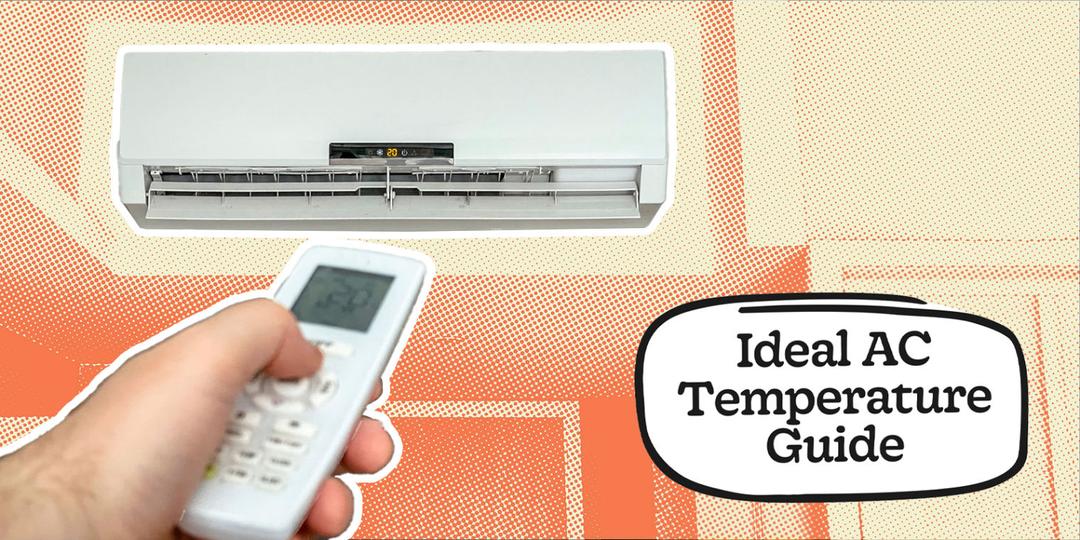
The ideal temperaturefor an air conditioner is usually between 72°F and 78°F. This range keeps rooms comfortablewithout using too much energy. Setting the AC below 72°F can make it work harder and raise energy bills.
For comfort:
- Set the thermostat to around 75°Fduring the day.
- Increase to about 78°Fwhen you are away or sleeping.
- Keep doors and windows closed to keep cool air inside.
Energy efficiency:
- Use a programmable thermostat to adjust temperature automatically.
- Raising the temperature by 1°Fcan save up to 3-5%on cooling costs.
- Regular maintenance improves AC efficiency and lifespan.
Credit: heatable.co.uk
Factors Affecting Temperature Choice
Climate and weatherplay a big role in setting AC temperature. Hot and humid places need cooler settings. Cooler climates may require milder temperatures for comfort. Adjusting the AC based on outside weather saves energy and keeps the room cozy.
Room size and insulationaffect how cold the room feels. Large rooms need lower temperatures or stronger AC units. Well-insulated rooms keep cool air longer, so the AC does not need to run as much. Poor insulation causes cool air to escape quickly.
Number of occupantsmatters too. More people produce more body heat, raising room temperature. Adjust the AC to a cooler setting for crowded spaces. Less crowded rooms need less cooling.
Temperature Settings For Different Times
Daytime settingsshould keep the room cool but save energy. Set the air conditioner between 75°F to 78°F. This balance keeps you comfortable without using too much power.
Nighttime adjustmentshelp save more energy. Temperatures can be set a bit higher, around 78°F to 80°F. Cooler clothes and fans can help sleep better without lowering the AC too much.
When away from home, raise the temperature to 85°F or higher. This prevents the AC from running all day. It saves energy and lowers your electricity bill.
Health And Comfort Tips
Setting the air conditioner too cold can cause discomfort and health issues. Overcooling may lead to dry skin, sore throat, and headaches. It is best to keep the temperature around 75°F to 78°Ffor comfort and safety.
Humidity control is important for indoor air quality. Air conditioners remove moisture, but too much dryness can irritate your nose and eyes. Using a humidifieror setting the AC to a moderate temperature helps keep humidity balanced.
Preventing airborne issues involves regular maintenance. Clean or replace air filters often to reduce dust and allergens. Proper airflow also stops mold growth. A well-maintained system keeps the air fresh and healthy.
Energy Saving Techniques
Programmable thermostats help save energy by setting the air conditioner to turn on and off automatically. This keeps the temperature steady and avoids wasting power when no one is home. Setting the thermostat to 78°F (26°C) during the day and higher at night can reduce electricity bills. These devices are easy to use and improve comfort.
Regular maintenance keeps the air conditioner working well. Cleaning or replacing filters every month helps air flow better and uses less energy. Checking for leaks and making sure the coils are clean also improves cooling. Well-maintained units last longer and use less power.
- Use fans to help cool the room faster.
- Close curtains to block sunlight and heat.
- Keep doors and windows closed while cooling.
- Use shades or blinds to reduce heat inside.
Common Myths About Ac Temperatures
Many believe setting the AC temperature very low cools the room faster. This is not true. The AC cools at the same speed regardless of the setting. Setting it too low just wastes energy and raises bills.
Some think keeping the AC at a very high temperaturesaves power. Actually, this can make the room too warm and uncomfortable. It may also make the AC work harder later to cool down the room.
Using the fan with AC can help spread cool air. Fans use less energy and can make the room feel cooler without lowering the temperature much. But fans don’t cool the air; they only move it around.
Smart Thermostat Advantages
Adaptive temperature controllearns your schedule to keep your home comfy. It changes settings automatically, saving energy without effort. This smart feature adjusts the air conditioner to match your daily routine.
Remote access featureslet you control the thermostat from anywhere. Use your phone or tablet to change the temperature before you get home. This convenience means you always come back to a nice environment.
Energy usage trackingshows how much power your air conditioner uses. It helps you find ways to save money on bills. You can see which settings use the most energy and adjust accordingly.

Credit: www.reddit.com

Credit: www.healthkart.com
Frequently Asked Questions
What Temperature Is Best For Air Conditioners In Summer?
The ideal summer AC temperature is around 78°F (25. 5°C). This balances comfort and energy savings effectively. Setting it lower wastes energy without added comfort.
How Does Thermostat Setting Affect Energy Bills?
Lowering your AC temperature increases energy use significantly. Higher settings reduce electricity consumption and cost. Keeping it at recommended levels saves money.
Can Setting Ac Too Low Harm The Unit?
Yes, setting the AC too low strains the system. It causes excessive wear and higher maintenance needs. Proper settings extend your unit’s lifespan.
Should Ac Temperature Change When No One Is Home?
Yes, raise the temperature when rooms are empty. This reduces energy use without discomfort. Smart thermostats automate this efficiently.
Conclusion
Setting your air conditioner to the right temperature saves energy and money. A comfortable range usually falls between 75°F and 78°F. This balance keeps your home cool without overworking the unit. Remember, every degree lower uses more power. Small changes can make a big difference.
Stay mindful of your comfort and costs. Your AC works best when used wisely. Simple steps lead to better cooling and savings. Keep your space fresh and energy bills low.