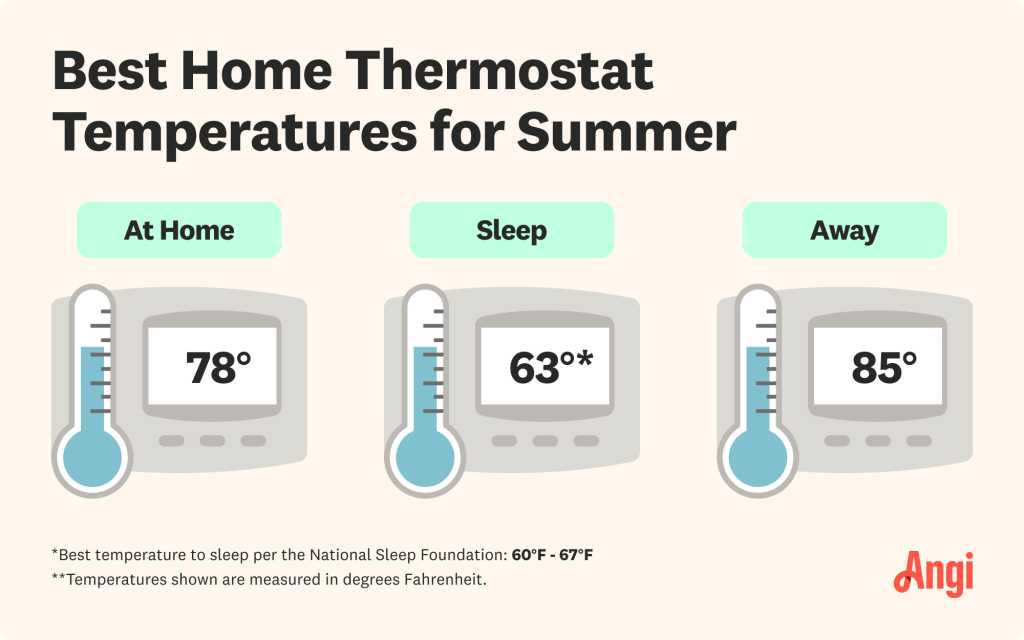
Are you struggling to find the perfect temperature for your air conditioner this summer? Setting your AC too low can spike your energy bills, while setting it too high might leave you feeling uncomfortable and sweaty.
Finding the right balance is key to staying cool without wasting money. You’ll discover the ideal temperature to set your air conditioner, how it affects your comfort and energy use, and simple tips to keep your home refreshingly cool all season long.
Keep reading to make your summer both comfortable and cost-effective!
Ideal Summer Ac Temperature
Setting your air conditioner to around 78°F (25°C)keeps you cool without using too much energy. This temperature balances comfortand cost savings. Lower temperatures make the AC work harder and raise bills.
Different rooms may need different settings. For example:
| Room | Recommended AC Temperature |
|---|---|
| Living Room | 76°F to 78°F (24°C to 26°C) |
| Bedroom | 74°F to 76°F (23°C to 24°C) |
| Kitchen | 78°F to 80°F (26°C to 27°C) |
Humidity affects comfort. High humidity feels hotter. Lower the temperature a bit if it feels sticky. Use a dehumidifierto help if needed.
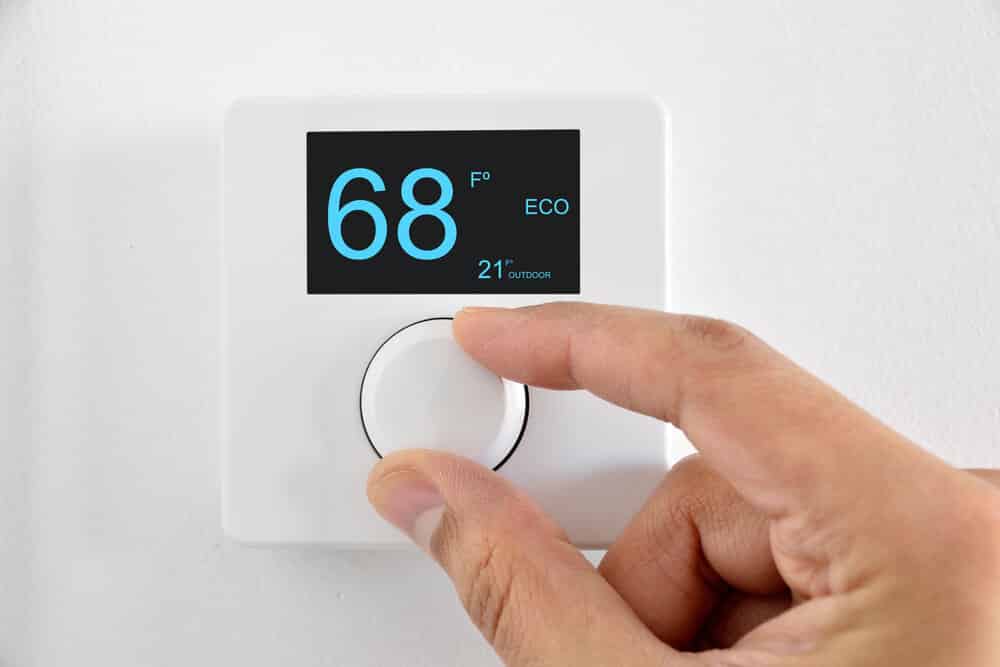
Credit: fischerheating.com
Energy Efficiency Tips
Programmable thermostatshelp save energy by adjusting temperatures automatically. Set it to a higher temperature when you are not home. Lower it before you return for comfort. This avoids wasting energy cooling an empty house.
Sealing cracks and adding insulation stops cool air from escaping. This keeps your home cooler and reduces energy use. Check windows, doors, and attic for gaps. Use weatherstripping or caulk to seal leaks.
- Fans move air to make you feel cooler without lowering temperature.
- Use ceiling fans in summer to push cool air down.
- Turn fans off when no one is in the room to save energy.
Health And Comfort Factors
Setting the air conditioner too cold can cause overcooling. This may lead to discomfort and even health issues like colds or muscle stiffness. Keeping the temperature moderate helps maintain a comfortable and safe indoor climate.
Air conditioners also affect air quality and allergies. Filters should be clean to remove dust and pollen. Proper temperature and humidity control reduce allergens and improve breathing.
Sudden changes in temperature cause temperature shock. Moving from hot outside to very cold inside is stressful for the body. Setting the AC at a stable, moderate temperature helps avoid this problem.

Credit: www.reddit.com
Seasonal And Time-based Adjustments
Set your air conditioner to 78°F (26°C)during the day for comfort and energy savings. At night, raising the temperature to around 82°F (28°C)helps save power while keeping the room cool enough for sleep.
During heatwaves, lower the temperature slightly, but do not go below 75°F (24°C). This keeps you comfortable and avoids overworking the AC.
- On weekends, you may want to set the temperature cooler if you stay home.
- If away, increase the temperature to 85°F (29°C)or turn the AC off to save energy.
Smart Ac Features And Controls
Smart thermostats help keep your home cool and save energy. They let you set the perfect temperature from your phone. You can control the AC remotely, even if you are not at home.
Voice control options make it easy to change settings without touching anything. Just say the temperature you want, and the AC will adjust.
Learning temperature preferences means the AC remembers what you like. It adjusts automatically based on your daily routine. This keeps you comfortable all day long without extra effort.
- Remote Control:Change settings from anywhere with your smartphone.
- Voice Commands:Use simple phrases to control the AC hands-free.
- Learning Feature:AC adapts to your preferred temperature automatically.
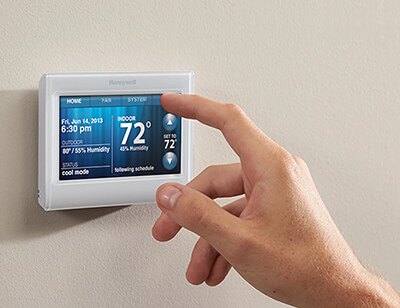
Credit: gulfshorecooling.com
Frequently Asked Questions
What Is The Best Ac Temperature For Summer?
The ideal temperature for your air conditioner in summer is 78°F (25°C). This setting balances comfort and energy efficiency. Adjusting your thermostat to this temperature can help reduce electricity bills. It also lessens strain on the AC unit, prolonging its lifespan.
Is 72 Too Cold For Summer Ac Settings?
Setting your AC to 72°F may lead to higher energy costs. This temperature can increase your electricity bill significantly. It’s often cooler than necessary for comfort. For most, 78°F is recommended. It’s a good balance between comfort and efficiency.
How Can I Save Money On Ac Bills?
To save on AC bills, set the thermostat to 78°F. Use fans to circulate air for added comfort. Regular maintenance of the AC unit ensures efficiency. Consider using a programmable thermostat to adjust temperatures automatically.
Does A Higher Ac Setting Reduce Energy Usage?
Yes, a higher AC setting can reduce energy usage. Setting your thermostat higher, like at 78°F, uses less electricity. This helps lower your monthly bills. It also reduces strain on the AC unit, which can prolong its lifespan.
Conclusion
Setting your air conditioner to 78°F keeps you cool and saves energy. This temperature balances comfort with lower electricity bills. Staying too cold can waste power and raise costs. Adjust settings slightly if you feel too warm or cold. Use fans to help spread cool air inside.
Remember, small changes make a big difference in summer comfort. Keep your home cool without overworking your AC. Simple steps lead to better cooling and savings.