Are you tired of wondering what temperature your air conditioner should be set to? Setting it too low might cool your room quickly but spike your energy bills.
Too high, and you’ll never feel truly comfortable. Finding the perfect balance can make a huge difference—not just for your comfort, but for your wallet too. You’ll discover the ideal temperature to keep your space cool and energy-efficient. Keep reading to unlock simple tips that will help you stay comfortable all day without wasting power.
Credit: gulfshorecooling.com
Ideal Temperature For Comfort
Setting the right temperature on your air conditioner helps keep your home comfortable. It also saves energy and lowers bills.
Choosing the ideal temperature depends on the weather and your personal comfort level. Let’s explore some recommended settings.
Recommended Settings For Cooling
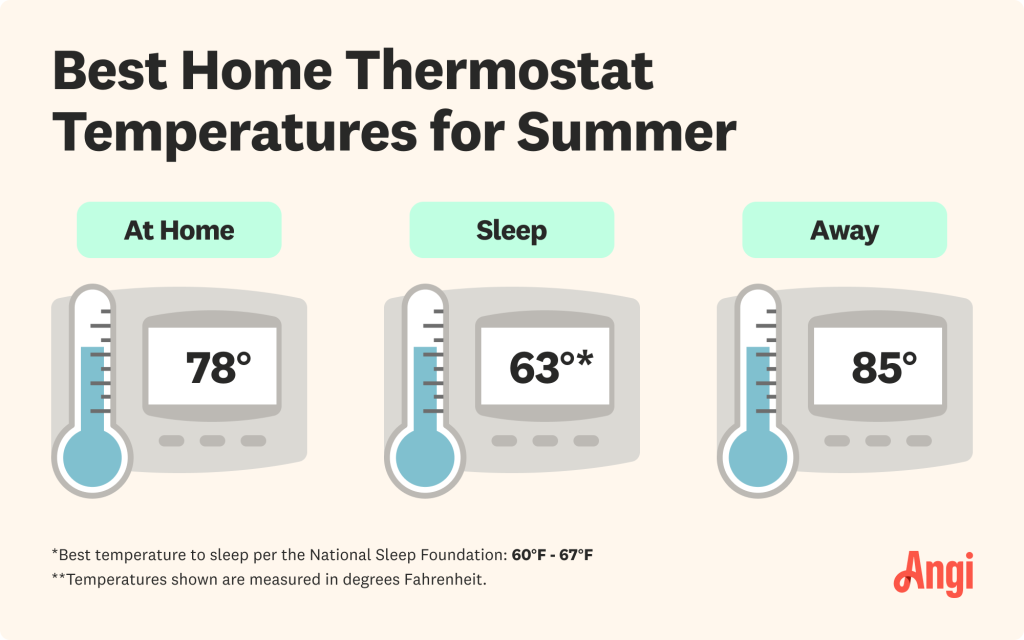
Experts suggest setting your air conditioner to around 78°F (25.5°C) when you are at home and active. This keeps the air cool without using too much energy.
- Set temperature to 78°F (25.5°C) for cooling comfort.
- Raise the temperature when you are away from home.
- Use fans to help circulate air and reduce cooling needs.
- Close blinds or curtains to block sunlight.
Balancing Comfort And Energy Use
Finding the right balance between comfort and energy savings is important. Adjusting your thermostat by a few degrees can make a big difference.
| Temperature Setting | Energy Use | Comfort Level |
| 75°F (23.9°C) | High | Very Cool |
| 78°F (25.5°C) | Moderate | Comfortable |
| 80°F (26.7°C) | Low | Warm |
| 82°F (27.8°C) | Very Low | Warmest |
Temperature Settings For Different Rooms
Setting the right temperature for each room helps save energy and keeps you comfortable. Different rooms need different temperatures based on their use.
Adjusting your air conditioner to fit each space can make your home feel better and reduce your electricity bill.
Living Room And Common Areas
Living rooms and common areas are where people gather and spend a lot of time. These rooms should be cool but not too cold.
Set the temperature between 72°F and 75°F for comfort. This range is good for most people and helps keep energy use moderate.
- Set temperature to 72°F–75°F
- Keep air moving with fans if possible
- Avoid very cold settings to save energy
Bedrooms And Sleep Comfort
Bedrooms need cooler temperatures for better sleep. A cooler room helps the body relax and fall asleep faster.
Set the air conditioner between 65°F and 70°F at night. This temperature range helps improve sleep quality and comfort.
- Set temperature to 65°F–70°F while sleeping
- Use a fan or light blanket for extra comfort
- Close doors and windows to keep cool air in
Home Office And Study Spaces
Home offices and study rooms need a comfortable temperature that helps you focus. Too hot or too cold can distract you.
Set the temperature between 70°F and 73°F. This helps keep your mind alert and your body relaxed during work or study.
- Set temperature to 70°F–73°F
- Use blinds to block direct sunlight
- Take breaks to avoid feeling too warm or cold
Seasonal Temperature Adjustments
Setting your air conditioner to the right temperature helps save energy and keeps you comfortable. Different seasons need different temperature settings.
Adjusting your AC settings as the weather changes can lower bills and improve indoor air quality.
Summer Cooling Tips
In summer, keep your air conditioner set between 75°F and 78°F. This range cools your home well without using too much energy.
Using a higher temperature when you are away helps save energy. At night, you can raise the temperature a few degrees for comfort.
- Set thermostat to 78°F when home
- Raise temperature to 85°F when away
- Use fans to help circulate cool air
- Keep blinds closed to block sunlight
Transitioning In Spring And Fall
Spring and fall have mild temperatures. You can set your air conditioner between 70°F and 75°F during these seasons.
Check the weather each day and adjust your thermostat as needed. Using natural ventilation can help reduce AC use.
- Set temperature to 72°F to 75°F
- Open windows when outside air is cool
- Use ceiling fans to improve airflow
- Turn off AC when cool outside
Energy Efficiency And Cost Savings
Setting your air conditioner to the right temperature can save energy and money. It also helps your system work better and last longer.
Choosing the best thermostat setting reduces electricity bills. It lowers the load on your AC, keeping your home comfortable without waste.
Optimal Thermostat Settings
The ideal temperature for cooling is around 78°F (25.5°C) when you are home. This balance keeps you cool and saves energy.
- Set the thermostat higher when you leave home, around 85°F (29.5°C).
- Use fans to help air circulate and feel cooler.
- Avoid setting the temperature too low, as it wastes energy.
- Close blinds or curtains to block heat from sunlight.
Using Programmable Thermostats
Programmable thermostats adjust the temperature automatically. They help save energy by cooling only when needed.
| Time of Day | Recommended Setting |
| Morning (6 AM – 9 AM) | 78°F (25.5°C) |
| Day (9 AM – 5 PM) | 85°F (29.5°C) |
| Evening (5 PM – 10 PM) | 78°F (25.5°C) |
| Night (10 PM – 6 AM) | 80°F (26.5°C) |
Health And Air Quality Considerations
Setting the right air conditioner temperature affects your health and indoor air quality. Too cold or too warm can cause discomfort and health issues.
Proper temperature settings help maintain a healthy environment and reduce risks like respiratory problems and dry skin.
Avoiding Overcooling
Overcooling can cause headaches, colds, and dry throat. It also stresses your body by forcing it to adjust to big temperature changes.
- Set your air conditioner between 75°F and 78°F for comfort and health.
- Avoid setting it below 72°F to prevent cold-related health issues.
- Use fans to help circulate air instead of lowering temperature.
- Dress appropriately indoors to reduce the need for very cold settings.
Humidity Control
Humidity affects air quality and comfort. Too much moisture can cause mold and allergies. Too little makes skin dry and can irritate airways.
| Humidity Level | Health Impact |
| Below 30% | Dry skin, irritated eyes, and throat |
| 30% – 50% | Ideal range for comfort and health |
| Above 50% | Risk of mold, dust mites, and allergies |
Credit: heatable.co.uk
Smart Technology And Automation
Setting the right temperature on your air conditioner can save energy and keep your home comfortable. Smart technology helps adjust settings automatically. It learns your preferences and adapts to your daily routine.
Automation lets you control your air conditioner from anywhere. You can use your phone or voice commands. This makes managing home temperature simple and efficient.
Smart Thermostats Benefits
Smart thermostats offer many benefits beyond basic cooling. They save energy by adjusting temperature based on your habits. They also provide detailed reports on energy use.
- Learn your schedule to optimize cooling
- Adjust temperature remotely via apps
- Detect when no one is home and save energy
- Send alerts for maintenance or unusual activity
- Integrate with weather forecasts to pre-cool your home
Integrating With Home Systems
Smart air conditioners work well with other home systems. Integration creates a seamless environment for comfort and energy savings. You can control multiple devices from one platform.
| Home System | Integration Feature |
| Lighting | Adjust lights when cooling is active |
| Security | Turn off AC when doors or windows open |
| Voice Assistants | Control temperature with voice commands |
| Energy Monitors | Track and optimize power usage |
Troubleshooting Temperature Issues
Setting the right temperature on your air conditioner helps keep your home comfortable. Sometimes, the AC does not cool as expected. Troubleshooting these temperature problems can save time and money.
Below, we discuss common AC problems and signs that mean you should call a professional for help.
Common Ac Problems
Many issues cause an air conditioner to not reach the set temperature. Some problems are easy to fix, while others need expert care.
- Dirty Air Filters:Block airflow and reduce cooling efficiency.
- Thermostat Issues:Incorrect readings lead to wrong temperature settings.
- Low Refrigerant Levels:Prevent the AC from cooling properly.
- Clogged Condenser Coils:Reduce heat removal and cooling power.
- Blocked Vents:Stop cool air from circulating in the room.
Regular maintenance helps avoid many of these problems. Clean filters and clear vents often to keep cool air flowing well.
When To Call A Professional
If you try basic fixes and your AC still does not cool well, it is time to get expert help. Here are signs you should call a technician.
| Problem | Reason to Call |
| AC won’t turn on | Electrical or control system failure |
| Warm air blows out | Refrigerant leak or compressor issue |
| Strange noises | Damaged fan or motor parts |
| Water leaks inside | Drainage problem or frozen coils |
| High energy bills | System running inefficiently |
Trained professionals can find hidden issues and fix your AC safely. Call a service expert if you notice these signs or if the temperature stays wrong after troubleshooting.
Credit: fischerheating.com
Frequently Asked Questions
What Is The Ideal Ac Temperature In Summer?
The ideal air conditioner temperature during summer is around 24-26°C (75-78°F). This range offers comfort and efficiency. It helps maintain a balance between cooling and energy consumption, ensuring your home remains comfortable without skyrocketing utility bills.
How Can I Save Energy With My Ac?
Set your air conditioner between 24-26°C (75-78°F) to save energy. Use ceiling fans to circulate air and enhance cooling. Regular maintenance of your AC unit also improves efficiency. Additionally, consider using a programmable thermostat to optimize temperature settings throughout the day.
Why Is My Ac Not Cooling Properly?
Your AC might not cool properly due to dirty filters or low refrigerant levels. Check and clean filters regularly. Ensure windows and doors are closed to prevent cool air from escaping. If problems persist, consult a professional to inspect for possible mechanical issues.
Should Ac Temperature Change At Night?
Yes, you can set the AC temperature slightly higher at night. A setting of 26-28°C (78-82°F) is often comfortable for sleeping. This adjustment saves energy while ensuring a restful sleep environment.
Conclusion
Setting your air conditioner to the right temperature saves energy and money. Aim for a balance between comfort and efficiency. Around 24 to 26 degrees Celsius works well for most people. This keeps your home cool without using too much power.
Remember to adjust the setting if the weather changes. Small changes can make a big difference. Keep your AC maintained to help it run smoothly. Stay comfortable and save energy with smart temperature choices. Easy and simple steps lead to better cooling and lower bills.