Are you unsure what temperature to set your air conditioner to? Picking the right setting can make a big difference in your comfort and energy bills.
If it’s too cold, you might feel chilly and waste power. Too warm, and you won’t feel refreshed. You want to find that perfect balance that keeps your home comfortable without driving up costs. Keep reading to discover the ideal air conditioner temperature for your space—and how this simple choice can help you feel better and save money every day.
Credit: heatable.co.uk
Ideal Temperature For Comfort
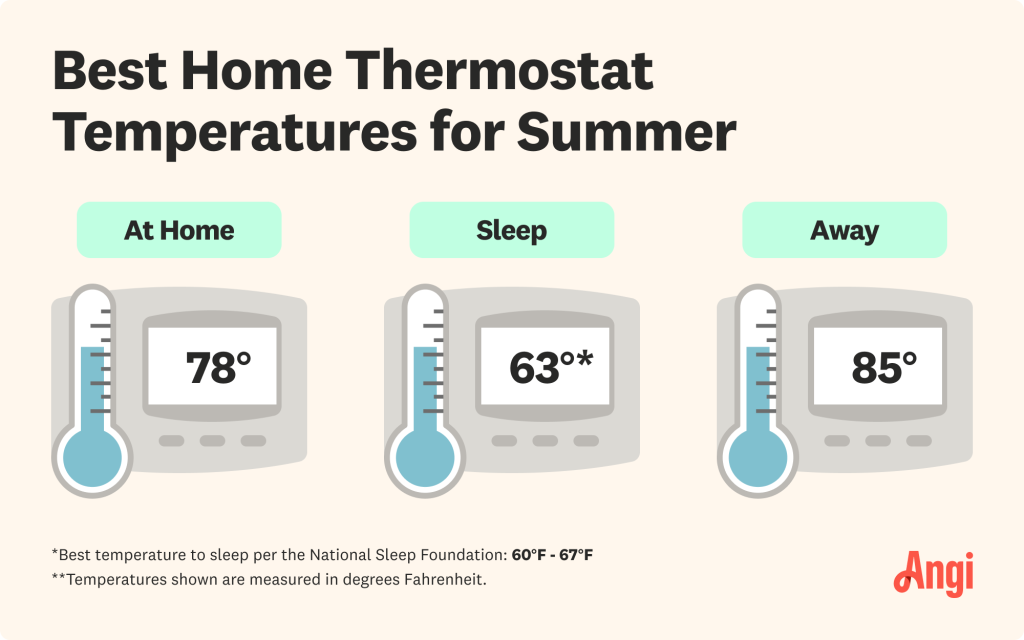
Setting the air conditioner to the right temperaturesaves energy and keeps you comfortable. For daytime, a temperature between 24°C and 26°C (75°F to 78°F)works well. This range balances comfort and electricity use. Too cold can waste power and cause chills.
At night, lower the temperature to around 26°C to 28°C (78°F to 82°F). Cooler air helps you sleep better without feeling too cold. Using a timer or sleep mode can help adjust temperature automatically.
Humidity affects comfort too. In high humidity, set the AC a bit cooler to remove moisture. In low humidity, a slightly warmer setting feels better. Use a dehumidifierif needed to improve air quality.
Energy Efficiency Tips
Setting your air conditioner at 78°F (26°C)balances comfort and energy savings. This temperature keeps your home cool without using too much power. At night, raising the temperature a few degrees helps save energy while you sleep. Using a programmable thermostatlets you change settings automatically, matching your schedule. This avoids cooling empty rooms and lowers bills.
Small changes in temperature can impact your electric bill greatly. For each degree set below 78°F, your energy use can rise by about 6-8%. Keeping your AC at a steady temperature reduces wear and tear, saving repair costs. Fans can help move air and make rooms feel cooler without lowering the temperature.
- Set AC to 78°F for best energy use.
- Use programmable thermostats for easy control.
- Increase temperature at night to save more.
- Use fans to improve comfort without extra cooling.
- Each degree lower can increase bills by up to 8%.
Temperature Settings For Different Rooms
Living areasshould be set around 72-75°Ffor comfort. This range keeps rooms cool without using too much energy. It helps everyone stay relaxed during the day.
Bedroomsneed cooler temperatures for better sleep. Setting the air conditioner to 65-70°Fhelps you fall asleep faster and sleep well all night. Cooler air supports rest and health.
Home officesbenefit from a temperature between 70-73°F. This range keeps you alert and focused. It is not too cold or hot, helping productivity during work hours.
Health Considerations
Avoiding overcoolinghelps prevent health issues like dry skin and sore throats. Setting the air conditioner too low can cause chills and discomfort. A temperature between 75°F and 78°Fis usually best for comfort and health.
Air quality and temperatureare linked. Cooler air can reduce humidity, which helps stop mold and dust mites. But very cold air may dry out your nose and mouth, causing irritation. Using a humidifier alongside the AC can keep air balanced.
Children and elderly people need special care. Their bodies handle cold air differently. Keep the temperature warmer for them, around 77°F to 79°F. Dress them in light layers to stay comfortable. Check on them often to avoid chills.
Seasonal Adjustments
Seasonal adjustments help keep your home comfortable and save energy. Setting your air conditioner to 78°F in summer balances coolness and efficiency. In cooler months, raising the temperature slightly reduces energy use without losing comfort.
Summer Settings
Set your air conditioner to around 78°F (26°C)for comfort and energy savings. This temperature helps keep rooms cool without using too much power. Use fans to spread cool air faster. Close curtains during the day to block heat from the sun. Avoid lowering the temperature too much; it can raise bills and strain the AC unit.
Transitioning To Cooler Months
As temperatures drop, raise the AC setting to about 85°F (29°C)or turn it off if not needed. This saves energy and lowers costs. Use natural ventilation on cool days by opening windows. Check for drafts and seal them to keep warm air inside. Adjust settings slowly to stay comfortable without wasting power.
Credit: fischerheating.com
Common Myths About Ac Temperature
Lower is always betteris not true. Setting AC too low wastes energy and can cause discomfort. Too cold air makes rooms feel damp or chilly. A moderate setting keeps you comfy and saves power.
Some believe setting AC very high temperatures saves more. Actually, high settings make the AC work less, but the room stays warm. It wastes energy because the AC runs longer to cool down later.
- Fan vs AC temperature settingsdiffer. Fans only move air; they do not cool it.
- Fans help spread cool air better but don’t lower room temperature.
- Use fans with AC to feel cooler without lowering AC temperature.
Smart Technology And Automation
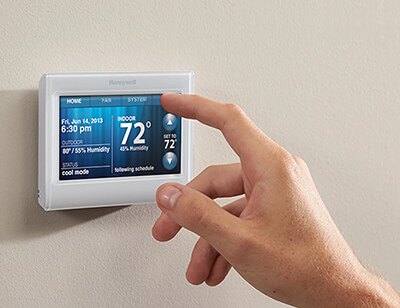
Smart thermostats help control the air conditioner easily. They keep the room temperature steady and save energy. You can change settings using your phone or tablet. This means no need to be near the AC to adjust it.
Remote control options let you set the temperature from anywhere. This is handy if you want the room cool before you arrive. Some remotes show the current temperature and settings clearly.
Learning your preferences is a key feature. The thermostat remembers the temperatures you like at different times. It adjusts itself automatically to keep you comfortable. This makes managing your AC simple and stress-free.
Credit: gulfshorecooling.com
Frequently Asked Questions
What Is The Ideal Ac Temperature For Energy Savings?
Setting your AC to 78°F (26°C) saves energy while keeping comfort. This temperature balances cooling needs and power consumption effectively.
How Does Temperature Affect Ac Efficiency?
Higher AC temperatures reduce power use, lowering bills. Cooler settings increase energy demand, making your AC work harder and less efficiently.
Should Ac Temperature Change When I’m Home Or Away?
Yes, raise the temperature when away to save energy. Lower it before returning for comfortable cooling without wasting power.
What Temperature Prevents Ac From Overworking?
Setting your AC no lower than 72°F (22°C) prevents overworking. Avoid extreme cold settings to maintain system health and efficiency.
Conclusion
Setting your air conditioner to the right temperature saves energy and money. A good range is between 75 and 78 degrees Fahrenheit. This keeps your home cool without using too much power. Remember, small changes make a big difference. Adjust the settings based on how you feel.
Stay comfortable and keep bills low. Simple steps help your air conditioner work well longer. Try these tips to enjoy a cool home all summer.