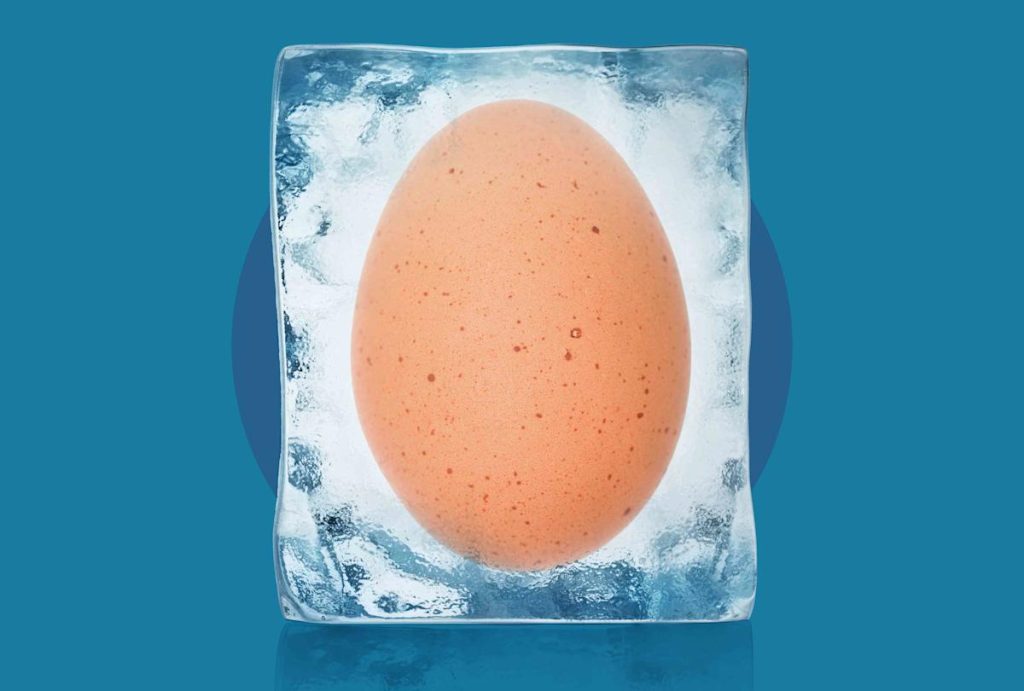
Have you ever wondered what temperature causes eggs to freeze? Whether you’re storing them in the fridge, keeping them fresh for a future baking session, or simply curious about food science, understanding the freezing point of eggs can be surprisingly useful.
This knowledge not only helps in preserving their quality but also ensures you enjoy the best taste and texture possible. Dive into this intriguing topic and discover the exact temperature at which eggs freeze. Spoiler alert: it’s more fascinating than you might think.
Keep reading to uncover this chilly secret and become an egg storage expert!

Credit: creativesimpleliving.com
Egg Composition And Freezing Point
Eggs have a unique makeup that affects how they freeze. Understanding their composition helps explain why eggs freeze at certain temperatures. Eggs contain water, proteins, fats, and minerals. Each component changes the freezing point in different ways. This section breaks down these parts and their effects on freezing.
Water Content In Eggs
Water makes up about 75% of an egg’s weight. The egg white has more water than the yolk. Water freezes at 32°F (0°C) in pure form. In eggs, water is mixed with other substances. This mixture lowers the freezing point slightly.
Effect Of Protein And Fat
Egg whites contain many proteins, and yolks have both proteins and fats. Proteins interfere with ice crystal formation. Fats in the yolk also lower the freezing point. These components make eggs freeze below 32°F (0°C). This means eggs become solid at colder temperatures than pure water.
Freezing Point Depression
Freezing point depression occurs when solutes lower water’s freezing point. Eggs have salts, proteins, and fats acting as solutes. These solutes stop water molecules from forming ice easily. As a result, eggs freeze around 28°F (-2°C) or lower. This is why eggs do not freeze at normal freezer temperatures immediately.
Exact Temperature When Eggs Freeze
Knowing the exact temperature when eggs freeze helps you store them properly and avoid unwanted texture changes. Eggs don’t freeze at the same temperature as water because of their complex composition. Understanding these details can save you from surprises in the kitchen.
Freezing Point Of Raw Eggs
Raw eggs start to freeze at around 28°F (-2°C), which is lower than the freezing point of plain water. This happens because eggs contain proteins, fats, and salts that lower their freezing temperature.
If you leave eggs in a freezer set at 0°F (-18°C), they will freeze solid within a few hours. However, the exact freezing time depends on the egg’s size and the temperature consistency in your freezer.
Differences Between Yolks And Whites
Egg whites and yolks freeze differently due to their unique compositions. Egg whites are mostly water and proteins, so they freeze more like a gel and become somewhat rubbery.
Yolks contain fats and emulsifiers, which make their freezing point even lower and their texture changes more dramatic. Have you noticed how frozen yolks become thick and hard to mix? That’s why yolks often need special treatment before freezing, like adding salt or sugar.
Frozen Egg Texture Changes
Freezing eggs changes their texture, which affects how they cook later. Whites can become watery and less firm, while yolks often turn gritty or grainy.
These changes don’t ruin eggs but can alter the way you use them. For example, frozen eggs work well in baking or scrambled eggs, but not as well for poaching or frying.
Have you ever tried cooking with frozen eggs and noticed a difference? Sharing your experience might help others understand how freezing affects eggs in practical ways.
How Freezing Affects Egg Quality
Freezing eggs might seem like a handy trick to extend their shelf life, but it does change their quality in noticeable ways. Understanding these changes helps you decide when freezing eggs makes sense for your cooking and when it might not. Let’s break down how freezing affects the taste, texture, nutrition, and safety of your eggs.
Impact On Taste And Texture
Freezing causes the water inside eggs to expand, which can alter their texture once thawed. You might notice that yolks become thicker and sometimes gelatinous, making them less ideal for dishes requiring smooth, runny yolks. Whites can turn watery or slightly rubbery after freezing, which affects the way they whip or cook.
If you’ve ever frozen eggs and then tried to use them in a delicate custard or soufflé, you probably noticed the difference immediately. However, for baking or scrambled eggs, the changes are less obvious and usually acceptable.
Nutritional Changes
Freezing eggs has minimal impact on their nutritional value. Proteins, vitamins, and minerals remain largely intact during the freezing process. You won’t lose much of the nutritional benefits whether you eat them fresh or frozen.
Still, prolonged storage in the freezer can slowly degrade some vitamins like vitamin A and certain B vitamins. To keep the nutrition at its best, try to use frozen eggs within a few months.
Safety Concerns
Eggs must be frozen properly to avoid food safety risks. Freezing raw eggs in their shells is not recommended because the liquid inside expands and can crack the shell, letting bacteria in. Instead, crack eggs into a container or beat them lightly before freezing.
Thaw frozen eggs in the refrigerator, not at room temperature, to reduce the risk of bacterial growth. Also, use thawed eggs promptly and avoid refreezing them to keep your meals safe.

Credit: grubblyfarms.com
Freezing Eggs At Home
Freezing eggs at home allows you to keep eggs fresh for longer periods. This method helps reduce waste and saves money. It is important to know the right way to freeze eggs to maintain their quality and safety. Understanding freezing tips can make this process simple and effective.
Best Practices For Freezing
- Do not freeze eggs in their shells; they may crack and spoil.
- Crack eggs into a clean bowl and beat gently until blended.
- Optionally, add a pinch of salt or sugar to preserve texture.
- Pour the mixture into ice cube trays or freezer-safe containers.
- Label containers with the date to track storage time.
Storage Tips
- Keep frozen eggs at 0°F (-18°C) or lower for best quality.
- Use airtight containers or freezer bags to avoid freezer burn.
- Store eggs away from strong-smelling foods to prevent odor absorption.
- Use frozen eggs within one year for optimal freshness.
Thawing Methods
- Thaw eggs in the refrigerator overnight for safe defrosting.
- Use thawed eggs immediately in cooking or baking recipes.
- Do not refreeze eggs once they have been thawed.
- For faster thawing, place sealed container in cold water.
Commercial Egg Freezing Techniques
Commercial egg freezing techniques help preserve eggs safely for long periods. These methods control temperature and storage conditions. They prevent damage to the eggs caused by ice crystals. The goal is to keep eggs fresh and usable for future needs.
Industrial Freezing Processes
Industries use quick freezing to stop ice crystals from forming inside eggs. This method freezes eggs at very low temperatures rapidly. Liquid nitrogen is often used to achieve these cold levels. Rapid freezing protects egg quality and structure. Slow freezing can break eggs and reduce their value.
Shelf Life Extension
Freezing eggs extends their shelf life from weeks to months or years. Proper freezing stops bacteria growth and slows down egg aging. Eggs kept at minus 18°C or colder stay fresh longer. This helps reduce food waste and ensures supply during off-seasons.
Packaging Innovations
Packaging plays a key role in egg freezing. Special containers prevent moisture loss and freezer burn. Vacuum-sealed packs protect eggs from air and odors. Packaging is designed to withstand low temperatures without breaking. It keeps eggs safe during transport and storage.

Credit: forksinthedirt.com
Surprising Facts About Frozen Eggs
Eggs might seem simple, but their behavior in freezing temperatures holds some surprising secrets. Understanding what happens when eggs freeze can change how you handle them in your kitchen or even in nature. Let’s uncover some unexpected facts about frozen eggs that might just change your perspective.
Eggs In Extreme Cold Environments
Did you know that eggs can freeze solid when exposed to temperatures below 32°F (0°C)? In extremely cold climates, wild birds face this challenge, and their eggs risk damage from ice crystals forming inside. Some species have adapted by nesting in insulated spots, protecting their eggs from freezing.
If you leave a raw egg in your freezer at home, the liquid inside expands and can crack the shell. This is because water inside the egg freezes and expands, creating pressure. Have you ever noticed a cracked egg after a deep freeze? That’s exactly why.
Egg Freezing In Culinary Arts
Freezing eggs is a common practice in kitchens, but it’s not as straightforward as it sounds. Whole eggs in their shells don’t freeze well, as the shell can crack and ruin the texture. Instead, chefs crack eggs and mix yolks and whites before freezing.
Frozen eggs are perfect for future use in baking or cooking. They retain their quality if stored properly in airtight containers. Have you tried freezing eggs for later? It’s a handy trick that saves time and reduces waste.
Myths Vs Reality
One myth is that frozen eggs become unsafe to eat. The truth is freezing slows bacterial growth, making eggs safer if handled correctly. However, freezing does change the texture, so they’re better suited for cooked dishes rather than eating raw.
Another myth is that you can freeze eggs in their shells without any problem. Reality shows that expansion during freezing often causes the shell to crack, leading to contamination. Have you ever wondered why freezing instructions always advise against leaving eggs in their shells?
Frequently Asked Questions
At What Temperature Do Eggs Start To Freeze?
Eggs begin to freeze at around 31°F (-0. 5°C). The water content inside expands, causing the shell to crack. Freezing affects egg texture and quality, so avoid storing eggs in freezing temperatures to maintain freshness and usability.
Can Frozen Eggs Be Safely Consumed?
Frozen eggs can be safe if properly thawed and cooked. However, freezing alters texture, making them less ideal for raw uses. Always cook frozen eggs thoroughly to reduce any food safety risks and ensure they taste good.
How Does Freezing Affect Egg Quality?
Freezing eggs changes their texture and consistency. The yolk thickens and becomes gelatinous, while the whites may become watery. These changes impact cooking performance, making frozen eggs better suited for baking than for frying or poaching.
Is It Safe To Freeze Eggs In Their Shells?
Freezing eggs in their shells is not recommended. The expanding liquid can crack the shell, risking contamination. It’s better to crack eggs and freeze the contents in sealed containers for safety and quality.
Conclusion
Eggs freeze at about 28 degrees Fahrenheit (-2 degrees Celsius). Freezing can change their texture and quality. Raw eggs in shells may crack when frozen. It is best to freeze eggs without shells for safety. Knowing the freezing point helps you store eggs properly.
Keep eggs fresh longer by controlling the temperature. This simple fact can save your eggs from spoilage. Remember to thaw frozen eggs slowly in the fridge. Now you understand how cold affects eggs and storage. Use this knowledge to keep your eggs safe and tasty.