Have you ever faced a cold morning when your diesel engine just won’t start? You might be wondering, “What temperature does diesel fuel freeze at?”
Understanding this can save you from a heap of trouble during chilly months. Diesel fuel can gel in low temperatures, leaving you stranded just when you need your vehicle the most. Imagine the frustration of needing to get somewhere, and your engine refuses to cooperate.
By knowing the freezing point of diesel, you can take preventive measures to keep your engine running smoothly, no matter how cold it gets. Stick around, and we’ll uncover the mysteries of diesel freezing points and share how you can protect your vehicle from winter woes.

Credit: www.trucksales.com.au
Diesel Fuel Properties
Diesel fuel has unique properties that affect its performance, especially in cold weather. Understanding these properties helps explain why diesel can freeze or gel at low temperatures. These characteristics depend on the fuel’s makeup and type. Knowing them can prevent engine problems during winter.
Composition And Types
Diesel fuel is mainly made of hydrocarbons from crude oil. It contains different molecules such as paraffins, naphthenes, and aromatics. The amount of each varies, affecting how the fuel behaves.
There are several types of diesel, like:
- Petrodiesel – made from petroleum refining
- Biodiesel – made from vegetable oils or animal fats
- Blended diesel – mixes petrodiesel with biodiesel
Each type has a different chemical structure. This influences its freezing point and how it handles cold weather.
Impact On Freezing Point
Paraffins in diesel tend to crystallize as temperatures drop. These crystals cause the fuel to thicken or gel. This happens at the “cloud point,” where crystals first appear. The fuel fully freezes at a lower temperature called the “pour point.”
Different diesel types freeze at different temperatures:
| Diesel Type | Typical Freezing Point |
|---|---|
| Petrodiesel | -10°C to -15°C (14°F to 5°F) |
| Biodiesel | 0°C to -3°C (32°F to 27°F) |
| Blended Diesel | Varies by blend ratio |
Higher paraffin content raises the cloud point. Lower quality fuels freeze faster. Additives can lower the freezing point to improve cold weather use.

Credit: www.trucksales.com.au
Freezing Point Of Diesel
Understanding the freezing point of diesel fuel is crucial, especially if you operate vehicles or machinery in cold climates. Diesel doesn’t freeze like water; instead, it gels, causing blockages that can stop engines from running. Knowing the temperatures at which this happens helps you prepare and avoid costly downtime.
Typical Temperature Range
Diesel fuel typically begins to gel between 15°F (-9°C) and 20°F (-6°C). However, the exact freezing point varies depending on the diesel’s composition and additives. At these temperatures, wax crystals form, thickening the fuel and restricting flow.
Have you ever noticed your diesel vehicle struggling on a chilly morning? That’s often the fuel starting to gel. Without proper treatment, the fuel filter can clog, and the engine may fail to start.
Differences Between Diesel Grades
Diesel fuel comes in several grades, primarily 1 Dieseland 2 Diesel. 1 Diesel has a lower freezing point, around -40°F (-40°C), making it better suited for very cold conditions. It’s lighter and more refined, which helps prevent gelling but offers less energy per gallon.
2 Diesel freezes at higher temperatures, usually between 15°F and 20°F (-9°C to -6°C). It provides better fuel economy but requires additives or blending with 1 Diesel in colder weather to avoid freezing issues.
Choosing the right grade for your climate can save you from unexpected breakdowns. Have you checked which diesel grade fits your environment? Adjusting your fuel type seasonally is a simple step that can keep your engine running smoothly.
Effects Of Cold Weather
Cold weather can cause serious problems for diesel fuel. When temperatures drop, diesel begins to change its physical state. This affects how the fuel flows and how well the engine runs. Understanding these effects helps prevent breakdowns and keeps equipment working smoothly.
Fuel Gelling And Wax Formation
Diesel contains natural wax. At low temperatures, this wax starts to solidify. The wax crystals form a gel-like substance. This process is called fuel gelling. Gelled fuel clogs filters and fuel lines.
When wax forms, fuel becomes thick and less fluid. This makes it hard to pump. Diesel can freeze below certain temperatures, often around 15°F (-9°C) for regular diesel. Winter blends freeze at lower temperatures. Wax formation causes blockages that stop fuel flow.
Engine Performance Issues
Thickened or gelled fuel leads to engine problems. Engines may struggle to start or stall. Poor fuel flow reduces power output. The fuel injectors can get clogged, causing misfires.
Cold weather also increases wear on engine parts. The engine runs harder to burn thick fuel. This lowers fuel efficiency and increases emissions. Proper fuel additives and winter blends help reduce these issues.

Credit: www.trucksales.com.au
Preventing Diesel Fuel Freeze
Diesel fuel can freeze in cold weather, causing problems for engines. Preventing diesel fuel freeze is key to keeping vehicles and machines running smoothly. Taking simple steps helps avoid fuel thickening and clogging filters during winter months.
Additives And Treatments
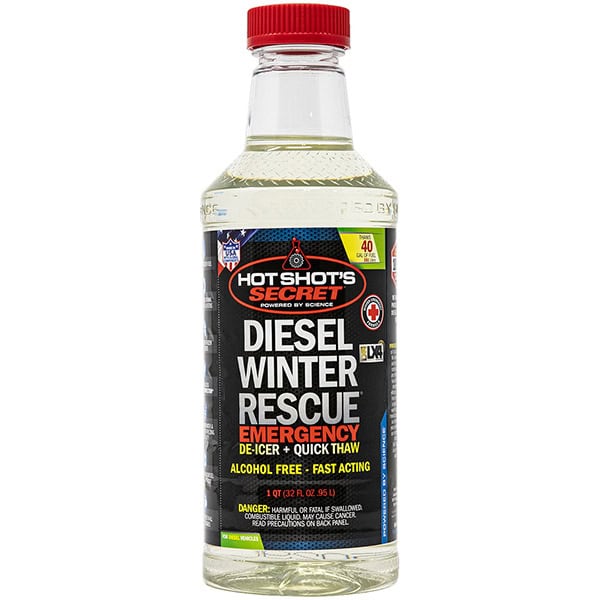
Additives lower the freezing point of diesel fuel. They stop wax crystals from forming and clogging filters. Use winter diesel additives specially designed for cold temperatures. Follow product instructions to add the right amount to your fuel tank. Adding treatments early in the season provides the best protection. Regular use keeps fuel flowing and engines starting easily in freezing weather.
Proper Storage Techniques
Store diesel fuel in a cool, dry place away from moisture. Use insulated tanks or heated storage areas to prevent freezing. Keep fuel containers sealed tightly to avoid contamination. Avoid storing diesel fuel outside in extreme cold without protection. Regularly check fuel quality and remove water or sludge buildup. Proper storage helps maintain fuel quality and prevents freezing problems in winter.
Testing And Monitoring Fuel
Monitoring the condition of your diesel fuel is essential, especially as temperatures drop. Diesel can start to gel or freeze, which can clog filters and stop your engine from running smoothly. Regular testing helps you catch problems early, saving you time and costly repairs.
Methods To Check Fuel Condition
Checking diesel fuel isn’t complicated. You can use simple tools and techniques to ensure it’s still good for use.
- Visual Inspection:Look at the fuel in a clear container. Cloudiness or crystals indicate the fuel is starting to gel.
- Cold Filter Plugging Point (CFPP) Test:This test shows the temperature at which fuel begins to clog filters. It’s a reliable way to predict freezing issues.
- Pour Point Test:Measures the lowest temperature at which diesel remains pourable. A lower pour point means better cold-weather performance.
- Use of Fuel Additives:Some additives can lower the freezing point. Testing fuel before and after adding these can show their effectiveness.
Indicators Of Fuel Freezing
You don’t always need lab tests to know if your diesel is freezing. Certain signs can alert you to fuel problems before they become serious.
- Engine Struggles to Start:If your engine hesitates or won’t turn over, frozen fuel might be the culprit.
- Reduced Engine Power:Fuel gelling restricts flow, causing your engine to lose power or stall unexpectedly.
- Clogged Fuel Filters:Ice crystals or wax deposits can block filters. You might notice a drop in fuel pressure.
- Visible Crystals in Fuel Lines:In very cold weather, you may see wax build-up inside transparent fuel lines.
Have you ever experienced your diesel vehicle stalling on a cold morning? Recognizing these signs early can help you take action before you’re stranded.
Frequently Asked Questions
What Temperature Does Diesel Fuel Freeze At?
Diesel fuel typically freezes between -10°F and 15°F (-23°C to -9°C). This varies with diesel type and additives.
How Can I Prevent Diesel Fuel From Freezing?
Use winterized diesel blends or additives. Store fuel in insulated tanks to maintain flow in cold weather.
What Happens When Diesel Fuel Freezes?
Frozen diesel forms wax crystals that clog fuel filters and lines, causing engine performance issues or failure.
Is Diesel Freeze Point Different In Summer And Winter?
Yes, winter diesel has a lower freeze point due to additives, allowing better performance in colder temperatures.
Conclusion
Diesel fuel freezes at around 15 to 20 degrees Fahrenheit. This can cause problems for engines in cold weather. Knowing this helps you prepare better. Use additives or keep fuel warm to avoid freezing. Stay safe and keep your engine running smoothly.
Cold weather should not stop your work or travel. Simple steps can prevent fuel freezing issues easily. Keep this information in mind during winter months.