Ever wondered what temperature kerosene freezes at? Whether you’re stocking up for winter, planning an outdoor adventure, or simply curious about how this common fuel behaves in cold temperatures, understanding its freezing point can be crucial.
Imagine being caught off guard by unexpectedly frozen fuel when you need it most. That’s a situation nobody wants to face. By the end of this article, you’ll have all the insights you need to keep your kerosene flowing smoothly, no matter how chilly it gets outside.
So, let’s dive in and equip you with the knowledge to stay prepared and in control.
Credit: www.hotshotsecret.com
Kerosene Basics
Kerosene is a widely used fuel with unique properties that make it valuable in many situations. Understanding its basics helps you handle and store it safely, especially in cold climates where freezing might be a concern. Let’s break down what kerosene really is and where you might come across it in everyday life.
Chemical Composition
Kerosene is a mixture of hydrocarbons, mainly containing molecules with 10 to 16 carbon atoms. It falls between gasoline and diesel in terms of heaviness and energy content. This blend of hydrocarbons gives kerosene a distinct smell and makes it less volatile than gasoline, which means it’s safer to store and handle.
The chemical structure also influences its freezing point, which varies depending on the exact mix. This variability can affect how kerosene performs in cold weather, a factor you need to consider if you rely on it for heating or lighting.
Common Uses
You might know kerosene as the fuel for lamps and heaters, but its uses go far beyond that. Many people use kerosene in portable stoves while camping because it burns cleanly and produces a steady flame.
It’s also common in aviation, powering small jet engines and turbines. Outside of fuel, kerosene finds a place in cleaning products and pesticides, showing its versatility. Have you ever checked the fuel type for your camping gear or emergency heater? Knowing it’s kerosene can help you store it correctly and avoid freezing problems.
Credit: www.mathsisfun.com
Freezing Point Of Kerosene
Kerosene is a common fuel used for heating and lighting. Knowing its freezing point helps in storage and usage during cold weather. The freezing point is the temperature at which kerosene starts to solidify and lose its liquid form. This section explains the typical temperature range and factors influencing kerosene’s freezing point.
Typical Temperature Range
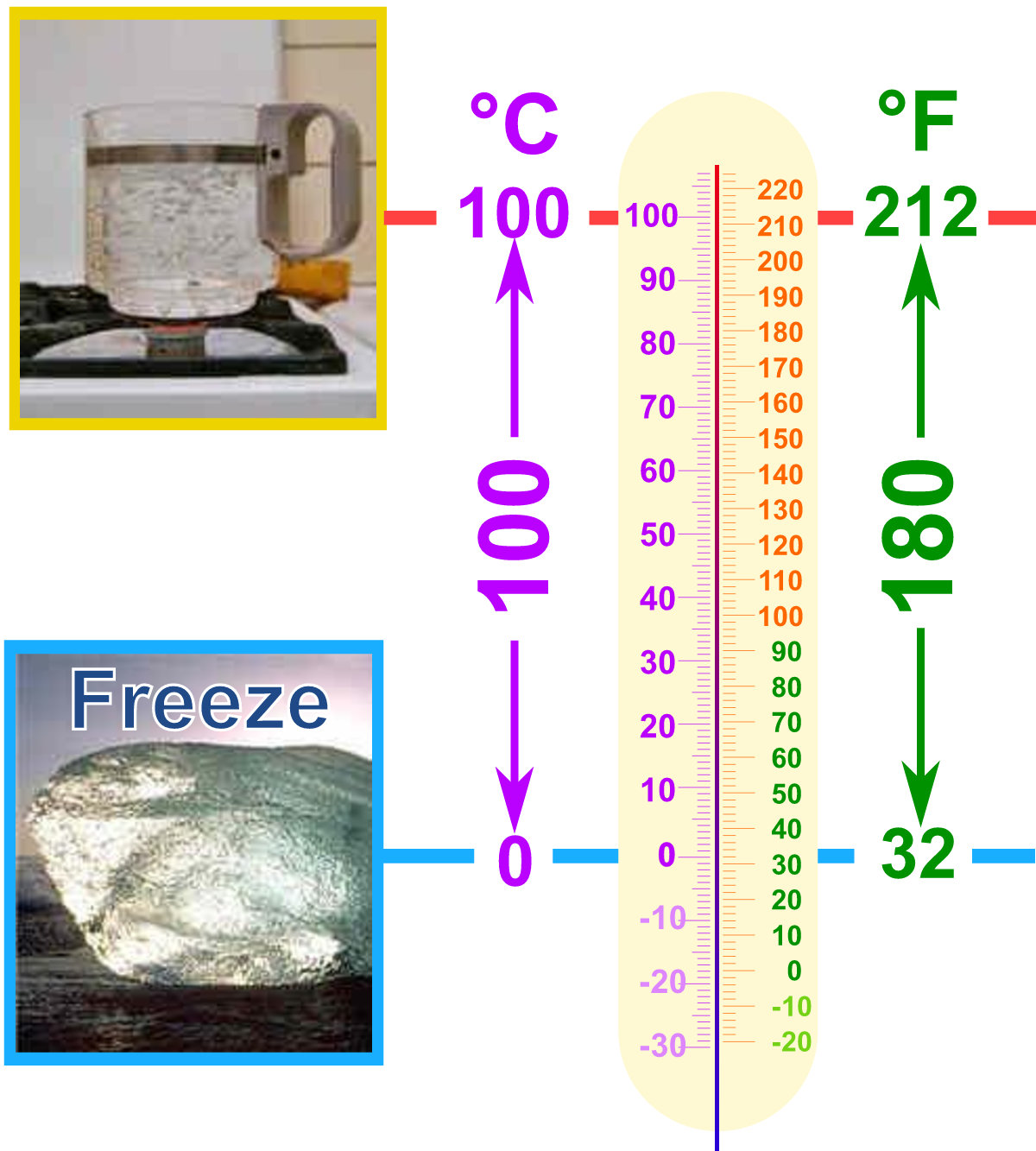
Kerosene usually freezes between -40°C and -50°C (-40°F and -58°F). This low freezing point makes it reliable in most cold climates. Variations depend on the exact chemical makeup and purity of the kerosene. Pure kerosene freezes closer to -50°C, while blends may freeze at higher temperatures.
Factors Affecting Freezing Point
- Composition:Different hydrocarbons in kerosene affect freezing temperature.
- Purity:Impurities can raise or lower the freezing point.
- Additives:Some additives prevent freezing or lower the freezing point.
- Storage Conditions:Temperature fluctuations can cause crystallization.
How Temperature Impacts Kerosene
Kerosene behaves differently as temperatures change. Its physical properties adjust with cold or warm conditions. Understanding these effects helps in proper handling and storage. Temperature influences kerosene’s flow, safety, and efficiency.
Viscosity Changes
Viscosity means how thick or runny kerosene is. As temperature drops, kerosene becomes thicker. It moves slower and harder to pump or burn. Near freezing, this thickness can cause blockages in engines or heaters. Warmer temperatures make kerosene flow easily. This smooth flow ensures better performance in machines.
Storage Considerations
Cold temperatures can cause kerosene to gel or freeze. This solid form clogs tanks and pipes. Storing kerosene below its freeze point risks damage to containers. It is best to keep kerosene above -40°C (-40°F), where it remains liquid. Proper storage prevents costly repairs and fuel waste. Use insulated tanks or heated storage in cold climates. Regular checks on fuel condition help avoid freezing problems.
Preventing Kerosene Freezing
Kerosene can freeze at very low temperatures, causing fuel flow problems. Preventing kerosene freezing keeps engines and heaters working smoothly. Simple steps help maintain kerosene’s liquid state in cold weather.
Additives And Treatments
Additives lower kerosene’s freezing point. They keep fuel liquid in cold conditions. Many additives mix easily with kerosene and improve cold weather performance.
- Anti-gel additives prevent wax crystals from forming.
- Fuel stabilizers maintain fuel quality over time.
- Pour point depressants help kerosene flow at lower temperatures.
Choose additives designed for kerosene. Follow product instructions for best results.
Proper Storage Practices
Store kerosene in a cool, dry place away from moisture. Moisture can cause freezing and clog filters.
- Use airtight containers to prevent water contamination.
- Keep kerosene tanks insulated if possible.
- Store fuel indoors or in heated areas during winter.
Regularly check kerosene for cloudiness or particles. Replace old or frozen fuel to avoid engine damage.
Troubleshooting Frozen Kerosene
Frozen kerosene can cause unexpected issues, especially when you rely on it for heating or lighting during cold weather. Knowing how to recognize and solve this problem quickly can save you time and prevent damage to your equipment. Let’s look at how to troubleshoot frozen kerosene effectively.
Signs Of Freezing
How can you tell if your kerosene has frozen? One clear sign is if your fuel stops flowing smoothly or if your heater won’t start properly.
Look for cloudiness or solid particles in the kerosene. Frozen kerosene often looks thicker or gel-like instead of clear and liquid.
You might also notice a drop in heating performance or sputtering flames. These symptoms suggest the fuel isn’t burning as it should, possibly due to freezing.
Thawing Methods
Once you identify frozen kerosene, the next step is to thaw it carefully. Avoid using direct heat like a flame, which can be dangerous and damage your container.
Here are some safe and practical ways to thaw frozen kerosene:
- Place the kerosene container in a warmer room to allow it to melt gradually.
- Use warm water baths by placing the sealed container in a basin of warm (not hot) water.
- Gently stir the kerosene to help speed up the thawing process once it starts to soften.
Have you ever faced a situation where your heating failed unexpectedly in freezing weather? Understanding these signs and responses can keep you prepared and comfortable.
Credit: www.greentractortalk.com
Kerosene Alternatives For Cold Climates
If you live in an area where temperatures drop below kerosene’s freezing point, you might have faced the frustration of fuel gelling up and causing heating problems. Kerosene alternatives designed for cold climates can keep your heating system running smoothly without freezing issues. Let’s look at some fuels that stay reliable even in harsh winter conditions and see how they stack up against kerosene.
Cold-resistant Fuels
Several fuels handle cold better than standard kerosene. One popular choice is diesel fuel with anti-gel additives. These additives lower the freezing point and prevent wax crystals from clogging filters.
Propaneis another option. It remains liquid at very low temperatures and vaporizes easily, making it excellent for cold-weather use. However, it requires specialized storage tanks and equipment.
There’s also biofuelsmade from vegetable oils or animal fats. Some blends are formulated to resist cold weather, but they might need more frequent maintenance.
Comparative Benefits
| Fuel Type | Freezing Point | Ease of Use | Cost | Equipment Compatibility |
|---|---|---|---|---|
| Standard Kerosene | Around -40°F (-40°C) | High | Moderate | Standard kerosene heaters |
| Diesel with Anti-Gel | Below -50°F (-46°C) | Moderate (requires additives) | Moderate to high | Diesel heaters or adapted kerosene heaters |
| Propane | Below -300°F (-184°C) | Moderate (special tanks needed) | Varies (often higher upfront) | Propane-specific heaters |
| Biofuel Blends | Varies (depends on blend) | Low to moderate (maintenance needed) | Variable | Some kerosene heaters with adjustments |
Which fuel fits your needs depends on your climate, budget, and equipment. If you’ve battled frozen fuel lines before, switching to a diesel blend or propane might save you time and headaches. Have you tried any of these alternatives in your own heating system? What worked best for you during the coldest months?
Frequently Asked Questions
At What Temperature Does Kerosene Freeze?
Kerosene freezes at approximately -40°F (-40°C). This low freezing point allows kerosene to remain liquid in extremely cold temperatures, making it ideal for heating and fuel in cold climates.
Can Kerosene Freeze In Winter Conditions?
Kerosene rarely freezes in typical winter conditions due to its low freezing point. However, in extremely cold environments below -40°F (-40°C), kerosene can solidify and become unusable without heating.
How To Prevent Kerosene From Freezing?
To prevent kerosene from freezing, store it in insulated containers and keep it above -40°F (-40°C). Using kerosene additives designed for cold weather can also improve its flow and performance.
Does Freezing Affect Kerosene’s Quality?
Freezing kerosene can cause it to become cloudy or gel-like, affecting its flow. However, once thawed, its quality and combustion properties typically return to normal without lasting damage.
Conclusion
Kerosene freezes at very low temperatures, usually below -40°F (-40°C). Knowing this helps keep equipment running in cold weather. Store kerosene properly to avoid freezing problems. Use it before winter if you can. Keep your fuel clean and dry for best results.
Understanding kerosene’s freezing point keeps you prepared and safe. Stay warm and worry less about fuel issues. Simple steps make a big difference in cold climates.