Have you ever wondered what happens to natural gas when it gets really cold? Knowing the temperature at which natural gas freezes can be crucial, especially if you rely on it for heating or energy.
If you want to keep your home safe and your energy flowing smoothly, understanding this simple fact can make a big difference. You’ll discover exactly what temperature natural gas freezes at—and why it matters to you. Keep reading to find out how this knowledge can help you avoid unexpected problems and stay prepared no matter the weather.
Credit: 256today.com
Natural Gas Composition
Natural gas is a complex mixture of gases found underground. Its composition varies depending on the source. Understanding this composition helps explain why natural gas freezes at very low temperatures. The mix of gases affects its physical properties, including freezing point.
Main Components
The main parts of natural gas include:
- Methane (CH4):The largest part, often 70-90%. It burns clean and produces energy.
- Ethane (C2H6):A smaller part used in making plastics and chemicals.
- Propane (C3H8):Used for heating and cooking in some areas.
- Butane (C4H10):Found in small amounts, also used as fuel.
- Carbon dioxide (CO2):Present in small amounts, affects gas quality.
Impurities And Additives
Natural gas often contains impurities that affect its freezing point and safety. Common impurities include:
- Water vapor:Can freeze and block pipelines if not removed.
- Sulfur compounds:Cause odor and corrosion, removed for safety.
- Helium and nitrogen:Inert gases that slightly change freezing behavior.
Sometimes additives like odorants are added to detect leaks. These do not change freezing point much but improve safety.
Freezing Point Of Natural Gas
Understanding the freezing point of natural gas is crucial, especially for industries and households relying on its flow during cold weather. Natural gas doesn’t freeze like water does, but under extreme cold conditions, it can liquefy or solidify depending on its composition. Knowing this temperature helps you avoid disruptions and maintain safety in gas systems.
Temperature Range
Natural gas is mainly composed of methane, which has a freezing point around -182°C (-296°F). However, the gas mixture also contains other hydrocarbons like ethane, propane, and butane, each with different freezing points.
This means the overall freezing temperature of natural gas isn’t fixed but varies, often ranging between -160°C to -190°C (-256°F to -310°F). If you’ve ever wondered why natural gas pipelines don’t freeze easily, this is why—it requires extremely low temperatures far below what we experience naturally.
Factors Affecting Freezing
The freezing point of natural gas depends on several factors beyond just temperature. Composition is key—more heavier hydrocarbons lower the freezing point, while purer methane raises it.
Pressure also plays a role. Higher pressure can keep natural gas in a liquid or gaseous state at lower temperatures, preventing freezing. Moisture content is another factor; water mixed with natural gas can freeze at higher temperatures, causing blockages.
Have you considered how these factors might affect your local gas supply during unexpected cold snaps? Knowing these details can help you prepare better and troubleshoot issues if they arise.
Physical State Changes
Understanding the physical state changes of natural gas is crucial, especially if you work with it or rely on it for energy. Natural gas doesn’t just stay in one form; it changes based on temperature and pressure. These changes impact how you store, transport, and use it safely and efficiently.
Gas To Liquid Transition
Natural gas turns from a gas into a liquid when cooled to very low temperatures under pressure. This process is called liquefaction. It happens around -162°C (-260°F) at atmospheric pressure, but this temperature can vary if pressure changes.
Liquefying natural gas makes it easier to store and transport. Liquid natural gas (LNG) takes up about 600 times less space than in its gaseous form. Have you ever wondered why LNG tankers look so massive? It’s because they keep the gas cold and pressurized to maintain this liquid state.
Conditions For Solidification
Freezing natural gas into a solid requires even lower temperatures than liquefaction. Natural gas generally freezes below -182°C (-295°F), but this depends on its exact composition. Methane, the main component, freezes around -182°C, but heavier hydrocarbons in natural gas freeze at higher temperatures.
Solidification isn’t common in everyday use because these temperatures are extremely low. But knowing these conditions helps in designing equipment that can handle extreme cold without damage. Have you considered how pipelines and storage units are protected from freezing in cold climates?

Credit: www.aol.com
Impact On Gas Infrastructure
The freezing point of natural gas plays a crucial role in how gas infrastructure is designed and maintained. Even though natural gas itself rarely freezes under normal conditions, the presence of impurities and extreme cold temperatures can cause blockages and damage. Understanding these impacts helps you better appreciate the challenges faced by pipeline operators and storage facilities, especially in colder climates.
Pipeline Challenges
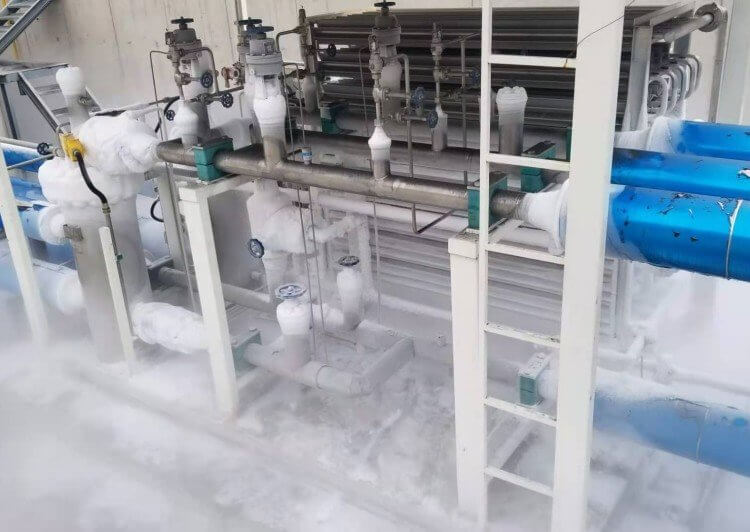
Pipelines must withstand temperature fluctuations that can cause components like water vapor and heavier hydrocarbons to freeze and form hydrates. These blockages reduce gas flow and can lead to pressure build-ups, risking pipeline integrity.
Have you ever wondered why gas flow sometimes slows during winter? It’s often due to these frozen deposits inside pipelines. Operators combat this by using chemical inhibitors or heating systems to keep the gas moving smoothly.
Regular monitoring is essential. Sensors detect temperature drops early, allowing quick responses before ice formation causes serious problems.
Storage Considerations
Natural gas storage facilities face unique challenges related to temperature control. When temperatures dip too low, stored gas mixtures can separate, and liquids may freeze, affecting overall storage capacity and safety.
One practical approach is maintaining a consistent temperature inside storage tanks through insulation and controlled heating. This prevents the formation of blockages and ensures steady gas supply.
Do you think about what happens to your heating gas during a harsh winter? Storage operators must plan for these extremes to avoid supply interruptions.
Preventing Freezing Issues
Preventing natural gas from freezing is crucial for maintaining a steady and safe energy supply, especially in cold climates. Freezing can cause blockages that disrupt flow and damage equipment. Understanding practical ways to keep natural gas flowing smoothly can save you time, money, and headaches.
Heating Techniques
Applying heat directly to pipelines or storage tanks helps keep natural gas above its freezing point. Electric trace heating cables wrapped around pipes are a common solution that provides consistent warmth.
Another approach is using insulated enclosures with built-in heaters to protect critical components. Have you ever noticed how some gas meters have small heating elements? That’s a simple yet effective way to prevent freezing during harsh winters.
Remember, the key is to maintain a temperature slightly above freezing without wasting energy. Automating heating systems based on temperature sensors can optimize performance and reduce costs.
Use Of Inhibitors
Adding chemical inhibitors to natural gas can lower the freezing point of water and other impurities within the gas. These additives prevent ice crystals from forming and clogging pipes.
Common inhibitors include methanol and glycol, which are injected at strategic points in the pipeline. This method is especially useful in areas where heating may be impractical or insufficient on its own.
When using inhibitors, it’s important to monitor concentrations carefully. Too little won’t prevent freezing, while too much can cause environmental and equipment issues. Have you checked the inhibitor levels in your system lately?
Natural Gas In Extreme Environments
Natural gas behaves uniquely in extreme environments. Its properties change with temperature and pressure. Understanding these changes is vital for safe and efficient use. Natural gas rarely freezes under normal conditions due to its low freezing point. However, in extremely cold settings, special attention is necessary to prevent issues.
Arctic Operations
In Arctic regions, temperatures can drop below -50°C (-58°F). Natural gas remains mostly in a gaseous state at these temperatures. But equipment and pipelines face risks from frost and ice buildup. Operators use insulated pipes and heating systems to keep gas flowing. Monitoring temperature and pressure helps avoid blockages. Maintaining flow ensures energy supply even in harsh cold.
Space Exploration Uses
Natural gas is used as rocket fuel and in life support systems. In space, extreme cold can reach nearly absolute zero. Engineers store natural gas in cryogenic tanks to keep it liquid. Liquid natural gas (LNG) is easier to transport and use in space missions. Careful temperature control prevents freezing and pressure loss. This allows reliable fuel supply far from Earth.
Myths About Natural Gas Freezing
Many people believe natural gas can freeze under cold conditions. This idea causes unnecessary worry about gas supply in winter. Understanding the truth about natural gas freezing helps clear up confusion. Let’s explore common myths and the science behind natural gas behavior.
Common Misconceptions
- Natural gas freezes like water in cold weather.
- Gas pipelines often get blocked by frozen gas.
- Natural gas must be heated to prevent freezing.
- Freezing natural gas causes explosions or leaks.
These ideas seem logical but do not match how natural gas works. Natural gas is mostly methane, a gas that stays gaseous at extremely low temperatures. The freezing point of methane is far below common outdoor winter temperatures.
Scientific Clarifications
Methane freezes at about -182°C (-295°F). Such temperatures occur only in specialized labs or outer space. Normal weather or even Arctic winters never reach this cold.
Natural gas pipelines carry gas under pressure and usually mixed with other gases. These conditions make freezing impossible in regular environments. Problems in pipelines happen due to water or liquids freezing, not the gas itself.
Gas companies add chemicals and remove water to avoid blockages. They also design pipelines to handle cold climates safely. Therefore, natural gas freezing is a myth without scientific backing.

Credit: westinghouse.com
Frequently Asked Questions
At What Temperature Does Natural Gas Freeze?
Natural gas does not freeze under normal Earth conditions. It becomes liquid at around -162°C (-260°F). Freezing is unlikely because natural gas is mostly methane, which liquefies before freezing.
Can Natural Gas Freeze In Winter Conditions?
Natural gas rarely freezes in winter. It liquefies at extremely low temperatures, far below typical winter weather. Pipeline issues are more due to moisture freezing, not the gas itself.
How Does Freezing Temperature Affect Natural Gas Storage?
Natural gas storage relies on cooling it to liquefy at -162°C (-260°F). This liquefaction allows efficient transportation and storage. Freezing solid is not a concern in storage processes.
Why Doesn’t Natural Gas Freeze Like Water?
Natural gas is mostly methane, with a very low freezing point. Unlike water, it liquefies at -162°C and does not form solid ice under normal conditions.
Conclusion
Natural gas freezes at a very low temperature. Around -297 degrees Fahrenheit. This makes it reliable in most climates. Understanding this helps in proper storage. Preventing any freezing issues is crucial. Especially in cold regions. Knowing the freeze point ensures efficiency.
It keeps the gas flowing smoothly. This knowledge helps avoid supply disruptions. Essential for safe and efficient use. Remember to consider these points for optimal gas use. Proper handling and storage are key. Always stay informed about natural gas properties.
This ensures smooth and uninterrupted usage.