
Have you ever wondered what temperature causes oil to freeze? Whether you’re a cooking enthusiast, a car owner, or someone curious about the science behind everyday substances, understanding oil’s freezing point is crucial.
This knowledge can save your car engine from trouble during winter or ensure your culinary creations turn out just right. Imagine the inconvenience of a frozen engine or ruined recipe just because you didn’t know this simple fact. By the end of this article, you’ll be equipped with the essential information to keep your oil in its best state, regardless of the temperature outside.
Dive in and discover why knowing the freezing point of oil is more important than you might think.
Oil Freezing Points Vary
Oil freezing points are not uniform. They change depending on the type of oil and other conditions. This variation can affect how you store and use oils, especially in colder environments.
Different Types Of Oils
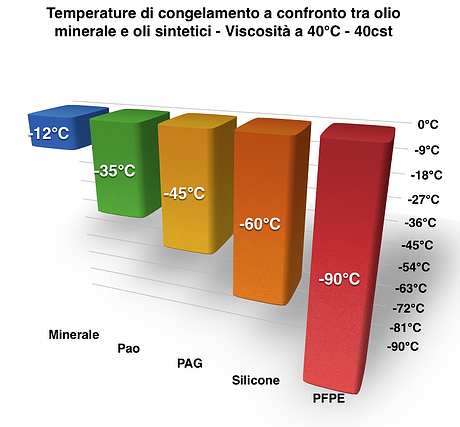
Each oil has its own unique freezing point. Vegetable oils like olive or canola usually freeze between 10°F and 20°F (-12°C to -6°C). Mineral oils and synthetic oils can freeze at much lower temperatures, sometimes below -40°F (-40°C).
Think about your cooking oil at home. You might notice it thickening or becoming cloudy when your kitchen gets cold. This is oil approaching its freezing point. Knowing the type of oil helps you predict when this might happen.
Factors Affecting Freezing
Freezing points of oils don’t just depend on the oil type. Other factors like purity, additives, and how the oil is processed play a role. Even small amounts of impurities can raise or lower the freezing point.
Temperature fluctuations and storage conditions also impact freezing. Have you ever left a bottle of oil outside on a cold night? You might have seen it solidify and then return to liquid when warmed. This shows how sensitive oil freezing points can be.
What temperature does your oil freeze at? Understanding this can help you keep your oils in the best condition, saving money and maintaining quality.
Common Oil Freezing Temperatures
Oils freeze at different temperatures depending on their type and composition. Knowing these freezing points helps in storage and usage during cold weather. Below are common freezing temperatures for various oils.
Vegetable Oils
Vegetable oils tend to freeze at temperatures just below freezing point of water. For example:
- Olive oil freezes around 10°F (-12°C).
- Canola oil solidifies near 14°F (-10°C).
- Sunflower oil freezes close to 5°F (-15°C).
These oils may become cloudy or solidify in cold weather but return to liquid at room temperature.
Motor Oils
Motor oils have much lower freezing points. They remain fluid in extreme cold to protect engines. Common freezing points include:
- Conventional motor oil freezes below -40°F (-40°C).
- Synthetic motor oils freeze near -58°F (-50°C).
These low freezing points ensure engine parts stay lubricated even in freezing conditions.
Essential Oils
Essential oils vary widely in freezing points due to their chemical makeup. For instance:
- Lavender oil freezes around 39°F (4°C).
- Peppermint oil freezes near 44°F (7°C).
- Eucalyptus oil freezes close to 32°F (0°C).
Essential oils often crystallize or become cloudy in cold but return to liquid once warmed.
Why Oil Doesn’t Freeze Like Water
Ever wondered why oil doesn’t freeze like water does? It’s not just about temperature but the unique way oil behaves at low temperatures. Unlike water, oil turns thick and sluggish instead of solidifying sharply. Understanding why involves looking closely at its chemical makeup and how its thickness changes as it gets colder.
Chemical Composition
Oil is made of long chains of molecules called hydrocarbons. These molecules don’t arrange themselves into a solid crystal structure easily like water molecules do. Water’s simple H2O molecules form strong bonds that lock them in place when cold, creating ice.
Oils, however, have complex chains that slide past each other even at low temperatures. This means oil remains in a liquid or semi-liquid state instead of freezing solid. Have you noticed how vegetable oil in your fridge becomes cloudy but doesn’t harden completely? That’s a clear sign of this molecular behavior.
Viscosity Changes
Viscosity is a measure of how thick or runny a liquid is. As oil cools, its viscosity increases, making it thicker and slower to pour. But this thickening doesn’t mean the oil has frozen; it’s still flowing, just more slowly.
This change can affect how your engine or machinery operates in cold weather. Thicker oil doesn’t move as freely, which might cause strain during start-up. You might ask yourself, how cold is too cold for your oil to perform well? Knowing the viscosity rating of your oil can help you pick the right type for winter conditions.

Credit: jojobacompany.com
Effects Of Freezing On Oil Quality
Freezing oil can change its properties in ways you might not expect. These changes affect how oil feels, its health benefits, and even how well it works in machines. Understanding these effects helps you decide how to store and use oil properly.
Texture And Consistency
When oil freezes, its texture becomes thicker and more solid. You might notice it turning cloudy or grainy, which can be off-putting if you use it for cooking or skincare. If you’ve ever left olive oil in the fridge, you’ve probably seen it harden and become less smooth.
Once thawed, some oils return to their original state, but others may stay lumpy or separate. This change can affect how easy the oil is to pour or mix. Think about whether you want to use oil that’s lost its smooth flow.
Nutritional Value
Freezing generally doesn’t destroy the vitamins and antioxidants in oils, but repeated freezing and thawing can reduce their potency. Some delicate nutrients, like omega-3 fatty acids, may degrade faster if the oil is not stored properly after freezing.
Have you ever tasted oil that seemed less fresh after freezing? That’s often a sign that some nutrients have broken down. To keep your oil healthy, avoid frequent temperature changes and use it within a reasonable time after thawing.
Performance In Machinery
Oils used in machinery, such as lubricants, can lose effectiveness if they freeze. The thickening and solidifying can clog small parts and reduce the oil’s ability to flow smoothly.
If you rely on oil for your car or tools, freezing could cause mechanical issues or increased wear. Always check the oil’s condition before use, especially after cold storage, to ensure your equipment runs smoothly.
Preventing Oil From Freezing
Preventing oil from freezing is important for maintaining its quality and usability. Frozen oil can become thick and hard to use. It can also lose some of its beneficial properties. Taking simple steps can keep oil fluid even in cold temperatures.
Storage Tips
Store oil in a cool, dry place away from direct sunlight. Avoid places that get too cold, like unheated garages or outdoor sheds. Use airtight containers to prevent moisture and air from spoiling the oil. Keep the container tightly closed to reduce exposure to air. A stable room temperature between 50°F and 70°F is ideal for most oils. If cold weather is expected, bring oil indoors. Avoid storing oil near windows or doors where temperature changes frequently.
Additives And Treatments
Additives can help lower the freezing point of oil. Some oils use antioxidants to keep their texture smooth. Mixing oil with small amounts of antifreeze agents designed for food-grade oils can help. These treatments prevent the oil from solidifying in cold conditions. Always use additives that are safe and recommended for your specific oil type. Check product labels and instructions before adding any treatment. Proper additives extend the oil’s usability and protect its flavor and nutrients.

Credit: utopia.org
Unusual Cases Of Oil Freezing
Oil freezing is a rare event under normal conditions. Yet, in some unusual cases, oils can solidify at temperatures different from their typical freezing points. These cases happen in extreme environments or controlled settings. Understanding these helps in industries like aerospace and science.
Extreme Cold Environments
Oils exposed to very low temperatures in places like the Arctic or Antarctica can freeze. Some oils have additives that lower their freezing points. Without these, they become thick and solidify.
In extreme cold, even motor oils and lubricants may stop flowing. This can damage machines and engines. People in cold regions use special oils made to resist freezing. These oils protect equipment from damage due to cold.
Laboratory Observations
Scientists study oil freezing in labs to learn about its properties. They cool oils slowly to observe crystal formation. Different oils freeze at various temperatures depending on their makeup.
Lab tests reveal that pure oils freeze at higher temperatures. Oils with mixed components freeze lower or over a range. These findings help improve oil formulas for better cold resistance.
Credit: www.maconresearch.com
Frequently Asked Questions
What Temperature Does Common Cooking Oil Freeze?
Common cooking oils freeze between -10°C to -20°C (14°F to -4°F). The exact point varies by oil type and purity. Vegetable oils often remain liquid at typical freezer temperatures, but cold can cause cloudiness or partial solidification.
Does Motor Oil Freeze Like Water?
Motor oil does not freeze like water but thickens significantly at low temperatures. Its freezing point varies by formulation, typically below -40°C (-40°F). Instead of freezing solid, it becomes more viscous, affecting engine performance in extreme cold.
Can Olive Oil Freeze In The Fridge?
Yes, olive oil can solidify or become cloudy at fridge temperatures around 4°C (39°F). This is due to its fatty acid composition. However, this change is reversible and does not harm the oil’s quality or taste.
How To Prevent Oil From Freezing In Winter?
Store oil in a warm, temperature-controlled environment to prevent freezing. Use insulated containers or keep oil indoors during cold weather. Warming the oil gently before use can restore its liquid state and ensure smooth application.
Conclusion
Oil freezes at very low temperatures, much lower than water. This means oil stays liquid in cold weather for a long time. Different oils freeze at different temperatures depending on their type. Knowing the freezing point helps in storing and using oil safely.
It also prevents damage to machines that use oil. Keep oil away from extreme cold to avoid freezing issues. Understanding oil’s freezing point is useful for many daily tasks. Stay aware and handle oil with care during cold conditions.