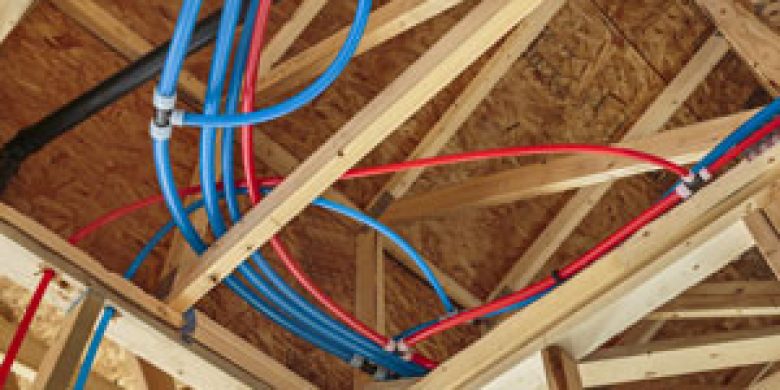
Have you ever wondered what happens to your PEX pipes when the temperature drops? Knowing the exact point at which PEX freezes can save you from costly repairs and frustrating water outages.
If you want to protect your plumbing and keep your home running smoothly during cold weather, this article is for you. Keep reading to discover the temperature risks for your PEX pipes and simple steps you can take to prevent freezing damage.
Your home’s comfort depends on it.
Credit: www.flowguardgold.com
Pex Pipe Basics
Pex pipe has become a popular choice in plumbing and heating systems due to its flexibility and durability. Understanding the basics of Pex pipes can help you make informed decisions about its use and maintenance. Let’s look closely at what makes Pex unique and where it fits best in your home or project.
Material Properties
Pex stands for cross-linked polyethylene, a type of plastic known for its strength and flexibility.
Its cross-linking process creates bonds between polymer chains, which improves resistance to heat, cold, and chemicals.
This means Pex can handle varying temperatures without cracking easily, making it less likely to burst in freezing conditions compared to traditional pipes.
However, it still has limits; Pex typically starts to freeze around 20°F (-6°C), but the exact temperature can vary based on pipe thickness and insulation.
Common Uses
Pex pipes are widely used in residential and commercial plumbing for hot and cold water supply lines.
They are also popular in radiant floor heating systems because their flexibility allows for easy installation in tight spaces.
- Water supply lines
- Hydronic heating
- Snow melting systems
- Retrofitting old plumbing
If you’ve ever struggled with rigid copper pipes during a home project, you’ll appreciate how Pex bends around corners without extra fittings. This can save you both time and money.
Freezing Point Of Water In Pex
Understanding the freezing point of water inside PEX pipes is crucial for anyone dealing with plumbing in cold climates. Water naturally freezes at 32°F (0°C), but how it behaves inside PEX pipes can be quite different. Knowing these details helps you protect your plumbing system from damage during winter.
Water Behavior In Pipes
Water expands by about 9% when it freezes, creating immense pressure inside pipes. Traditional pipes like copper or PVC are rigid, so this pressure can cause them to crack or burst.
Inside PEX pipes, water still freezes at 32°F, but the pipe’s flexibility allows it to expand slightly without breaking. This doesn’t mean PEX pipes are freeze-proof, but they handle freezing better than many materials.
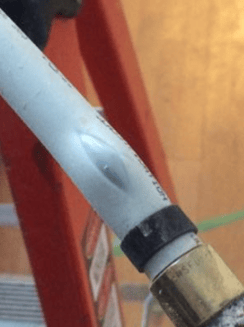
Have you ever noticed a bulge or deformation in a PEX pipe after a cold snap? That’s the pipe stretching to accommodate expanding ice inside, a sign you should act fast to prevent bursts.
Impact On Pex
PEX pipes can expand up to three times more than copper pipes before failing. This elasticity reduces the risk of bursts but doesn’t eliminate it entirely.
If water inside a PEX pipe freezes, the pipe can stretch to hold the ice. However, repeated freezing and thawing cycles can weaken the material over time, increasing the chance of leaks.
To keep your PEX pipes safe, insulating them and maintaining a minimum temperature above freezing is key. Have you checked if your pipes are properly insulated this winter?
Temperature Thresholds For Pex
Pex pipes are known for their flexibility and durability. Understanding their temperature limits is vital for preventing damage. Temperature thresholds help identify when Pex might freeze and crack. Knowing these limits guides proper installation and protection in cold areas.
Minimum Temperatures Before Freezing
Pex can handle cold better than metal pipes. It starts to freeze at about 20°F (-6°C). Below this, water inside can turn to ice. Ice expands and may cause the pipe to burst.
However, Pex can stretch slightly, reducing burst risk. Still, prolonged exposure to freezing temperatures is unsafe. Proper insulation is necessary to keep Pex pipes safe below 32°F (0°C).
Factors Affecting Freeze Point
Several factors change when Pex freezes:
- Water flow:Moving water freezes slower than still water.
- Pipe size:Smaller diameter pipes freeze faster.
- Insulation:Proper insulation keeps pipes warmer.
- Exposure:Pipes outside or in unheated spaces freeze quicker.
- Ambient temperature:Sudden drops increase freeze risk.
These factors influence how well Pex resists freezing. Monitoring them prevents costly pipe damage during winter.
Credit: www.pmmag.com
How Pex Handles Freezing
Understanding how PEX tubing handles freezing is crucial if you live in an area with cold winters. Unlike traditional pipes, PEX has unique properties that help it withstand freezing temperatures better. This section breaks down these features so you can decide if PEX suits your plumbing needs.
Flexibility Advantages
PEX’s flexibility allows it to bend without breaking. This means when water inside freezes and expands, the tubing can stretch slightly rather than crack. I once had a burst pipe issue with copper, but the PEX pipes nearby survived the same freeze without damage.
This flexibility also simplifies installation around corners and tight spaces. The less rigid the pipe, the lower the risk of damage during freezing. If you want durable plumbing that adapts to cold stress, PEX’s flexibility is a big plus.
Expansion And Contraction
PEX tubing can expand and contract with temperature changes. When water freezes, it increases in volume by about 9%, putting pressure on pipes. PEX absorbs this pressure better than metal pipes, which tend to rupture under stress.
However, it’s important to know that PEX isn’t freeze-proof. Prolonged freezing or extremely low temperatures can still cause damage. Insulating your PEX pipes and keeping water moving during cold snaps helps reduce freeze risk significantly.
Have you checked how your pipes behave during winter? Knowing PEX’s strengths and limits can help you protect your plumbing system effectively.
Risks Of Pex Freezing
Freezing temperatures can pose serious risks to PEX pipes, even though they are known for their flexibility and durability. When PEX freezes, the water inside expands and can create pressure that the pipe may not withstand. Understanding these risks helps you protect your plumbing and avoid costly repairs.
Pipe Bursting Possibility
PEX pipes are more resistant to bursting than traditional copper or PVC pipes because of their flexibility. However, if water inside the pipe freezes solid, the expanding ice can still cause the pipe to burst. This usually happens at weak points like joints or bends where the material is under stress.
Have you ever left a faucet dripping during a cold night? That trick helps reduce the chance of freezing by keeping water moving, which lowers the pressure build-up inside the pipe. Without this precaution, even PEX pipes may fail under freezing conditions.
Damage Patterns
Damage from freezing in PEX pipes often appears as small cracks or splits along the length of the pipe. Unlike copper pipes, where damage is usually sharp and catastrophic, PEX damage tends to be more gradual, giving you a chance to spot leaks early.
Leaks might start small and worsen over time, causing hidden water damage inside walls or floors. Do you check your pipes regularly? Early detection can save you from expensive repairs and water damage.
Preventing Pex Freezing
Preventing Pex freezing is essential to avoid costly repairs and water damage. Pex pipes can freeze in low temperatures, causing them to burst. Taking steps to protect these pipes keeps your plumbing safe and functional. Simple measures can make a big difference in cold weather.
Insulation Techniques
Insulating Pex pipes helps keep them warm during cold spells. Use foam pipe insulation sleeves to cover exposed pipes. These sleeves fit snugly and reduce heat loss. Wrap insulation tape around joints and bends for extra protection.
Seal any gaps or cracks near pipes to stop cold air. Use caulk or spray foam around wall penetrations. Insulation works best when combined with other heat protection methods.
Heat Tape And Other Solutions
Heat tape provides direct warmth to Pex pipes. It looks like an electric tape and wraps around pipes easily. Heat tape turns on automatically when temperatures drop. This keeps pipes above freezing without wasting energy.
Use thermostatically controlled heat tape for safety and efficiency. Avoid using regular extension cords or non-rated heat tape. Follow the manufacturer’s instructions for proper installation.
Other solutions include keeping cabinet doors open to allow warm air circulation. Let faucets drip slowly during extreme cold to prevent freezing. Installing a small space heater near vulnerable pipes also helps.
Thawing Frozen Pex Pipes
Thawing frozen PEX pipes requires care and attention to avoid damage. These pipes are flexible and durable, but extreme cold can cause ice blockages inside. Knowing how to safely warm them up can save you from costly repairs and water damage.
Safe Thawing Methods
Start by increasing the room temperature where the pipe is located. Use a space heater or heat lamp to gently warm the area. This gradual warming allows the ice inside the pipe to melt without causing rapid pressure buildup.
You can also wrap the frozen section with towels soaked in warm water. Keep replacing the towels as they cool down to maintain steady heat. This method works well when the frozen spot is accessible and visible.
Another effective option is using a hairdryer on a low heat setting. Move it slowly along the pipe, keeping it a few inches away to avoid overheating. This controlled heat helps thaw the pipe evenly and reduces the risk of damage.
What To Avoid
Avoid using open flames or high-heat devices like blowtorches. These can melt or deform PEX pipes, leading to leaks. Never apply direct heat to joints or fittings, as they are more vulnerable to damage.
Don’t try to force water through the pipe before it’s fully thawed. This can cause the pipe to burst from ice pressure. Instead, let the ice melt naturally or with gentle heat until water flows freely again.
Lastly, avoid ignoring the problem if you suspect frozen pipes. Acting quickly with safe methods prevents extensive damage and costly fixes. Have you checked your pipes for cold spots before winter hits?
Comparing Pex With Other Pipes
Choosing the right pipe for your plumbing system can be tricky, especially when you consider how different materials handle freezing temperatures. PEX pipes have gained popularity, but how do they really compare to traditional options like copper and PVC? Understanding these differences can help you make smarter decisions for your home or project.
Freeze Resistance Differences
PEX stands out because it can expand slightly when water freezes inside, reducing the chance of bursting. Copper and PVC pipes are much more rigid, so they tend to crack or burst under freezing conditions.
However, this doesn’t mean PEX is completely freeze-proof. If water stays frozen for too long, even PEX can fail. This raises an important question: are you relying solely on pipe material, or also on proper insulation and preventive measures?
Cost And Longevity
PEX pipes usually cost less than copper but more than PVC. They offer a good balance between price and durability, lasting around 25-40 years in typical use.
Copper pipes can last 50 years or more but come with a higher upfront cost. PVC is cheap but less durable, especially in extreme temperatures.
When you weigh cost against lifespan and freeze resistance, consider your local climate and how often pipes may freeze. Is it worth paying more upfront for peace of mind, or should you focus on insulating pipes well, regardless of material?
Credit: www.vevor.ca
Frequently Asked Questions
At What Temperature Does Pex Tubing Freeze?
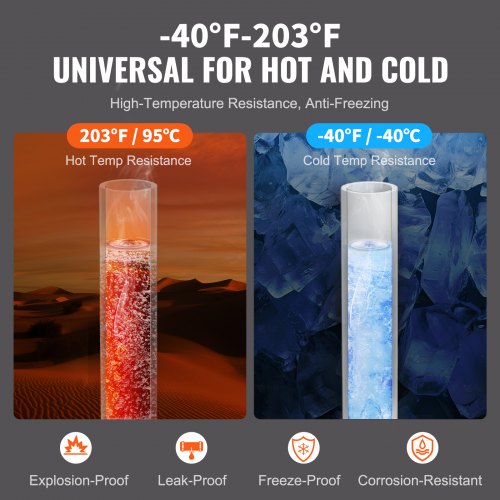
PEX tubing can freeze at 32°F (0°C), like water. However, it is more flexible and resists bursting better than copper pipes when frozen.
Can Pex Pipes Burst If Frozen?
Yes, PEX pipes can burst if water inside freezes and expands. But PEX is more resistant to bursting than traditional pipes.
How To Prevent Pex Pipes From Freezing?
Insulate PEX pipes in cold areas and keep water flowing slightly. Maintain indoor temperatures above freezing to avoid pipe freezing.
Does Pex Tubing Thaw Faster Than Metal Pipes?
PEX tubing typically thaws faster because it retains less cold and is more flexible than metal pipes, reducing freeze damage risk.
Conclusion
Understanding PEX freezing temperatures helps prevent pipe damage. PEX pipes can freeze below 20 degrees Fahrenheit. Insulation offers protection against freezing. Draining pipes before cold weather helps too. Regular inspections ensure pipes remain in good condition. Always be prepared for sudden temperature drops.
Use these tips to safeguard your plumbing. Keep your home safe and warm during winter months. Stay informed and protect your investment. Simple steps can avoid costly repairs. Your pipes will thank you.