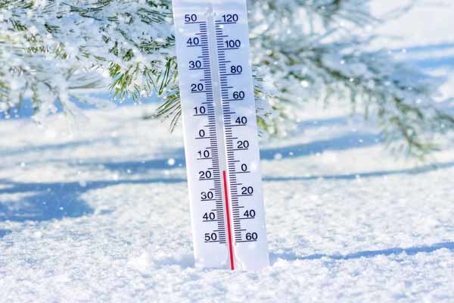
Have you ever wondered what temperature propane freezes at? If you’re using propane to heat your home, cook your meals, or fuel your outdoor adventures, understanding its behavior in cold weather is crucial.
Picture this: a chilly morning where you need to rely on your propane tank, only to find it unresponsive. Knowing the freezing point of propane can help you prevent such scenarios and ensure your daily activities run smoothly. We’ll dive into the science behind propane’s freezing point and how it affects its performance in different weather conditions.
You’ll discover practical tips to keep your propane flowing even in the coldest temperatures, ensuring your comfort and safety all year round. Stay with us to uncover these essential insights that can save you from unexpected propane dilemmas.

Credit: centralpennpropane.com
Propane Basics
Understanding propane starts with knowing its basic nature. Propane is a popular fuel that many people rely on daily, yet few know exactly what happens to it under different temperatures. Knowing its freezing point is just one part of grasping how propane behaves and how it can be safely and effectively used.
Chemical Properties
Propane is a hydrocarbon with the chemical formula C3H8. It belongs to the alkane family, which means it is made up entirely of carbon and hydrogen atoms bonded together in a specific arrangement.
At room temperature, propane exists as a gas, but it can be compressed into a liquid for easy storage and transport. The freezing point of propane is around -187.7°C (-305.9°F), which means it remains a liquid under most normal environmental conditions you encounter.
Common Uses
You might recognize propane as the fuel for your barbecue grill or the heater that keeps your home warm in winter. Its ability to transition between gas and liquid states makes it highly versatile for heating, cooking, and even powering engines.
- Fuel for residential heating and cooking
- Propellant in aerosol sprays
- Power source for forklifts and other industrial equipment
- Camping fuel for portable stoves and lanterns
Have you ever considered why propane is preferred over electricity or gasoline for certain uses? Its energy density and clean-burning properties make it a practical choice in many scenarios where efficiency and portability matter most.
Freezing Point Of Propane
The freezing point of propane is an important factor for storage and usage in cold climates. Understanding this temperature helps prevent problems like blockages in pipes or tanks. Propane behaves differently than other fuels when exposed to low temperatures.
Exact Freezing Temperature
Propane freezes at around -188 degrees Celsius (-306 degrees Fahrenheit). This is the temperature where propane changes from liquid to solid. Most users will not encounter this temperature in everyday situations. The freezing point is far below the coldest natural temperatures on Earth.
Comparison With Other Fuels
Propane freezes at a much lower temperature than many common fuels. For example:
- Gasoline freezes near -60°C (-76°F)
- Diesel freezes around -10°C to -20°C (14°F to -4°F)
- Natural gas becomes solid at about -182°C (-296°F)
This means propane stays liquid and usable in much colder conditions than gasoline or diesel. Its low freezing point makes propane ideal for cold weather applications.
Effects Of Freezing On Propane
Freezing affects propane in several important ways. Understanding these effects helps ensure safe handling and use. Propane behaves differently at low temperatures compared to other fuels. Its freezing point is much lower than water or gasoline. This means propane remains a gas in cold environments where others might freeze solid. Still, extreme cold can cause physical changes and impact storage and transport.
Physical Changes
Propane freezes at about -306°F (-188°C). At this temperature, it turns from liquid to solid. Before freezing, propane becomes very cold and thickens. This makes it harder to flow through pipes or valves. Solid propane takes up more space than liquid. This expansion can cause containers to crack or rupture. The gas pressure inside tanks drops as propane cools. Low pressure can affect how appliances burn propane. Frozen propane may not vaporize properly, reducing fuel efficiency.
Impact On Storage And Transport
Storing propane below its freezing point is rare but risky. Tanks must handle pressure changes and expansion safely. Insulated or heated storage prevents propane from freezing. Transporting propane in cold climates needs extra care. Containers should stay above freezing temperature to avoid damage. Drivers often monitor tank temperature during shipment. Frozen propane can delay delivery and cause equipment failure. Maintaining proper temperature extends propane’s life and performance.

Credit: centralpennpropane.com
Preventing Propane Freezing
Preventing propane from freezing is important for safety and proper use. Propane freezes at very low temperatures, around -306°F (-188°C). This rarely happens in normal conditions, but in extreme cold, precautions help avoid problems. Proper storage and insulation keep propane safe and functional.
Storage Tips
- Store propane tanks upright to prevent liquid leaks.
- Keep tanks in a dry, ventilated area away from direct cold wind.
- Avoid storing tanks in enclosed spaces without airflow.
- Check tanks regularly for frost or ice buildup.
- Do not store propane tanks near heat sources or flames.
Insulation Methods
- Wrap tanks with weather-resistant insulating blankets.
- Use foam covers designed for propane tanks.
- Build simple windbreaks around tanks to reduce cold exposure.
- Place tanks on insulated platforms to avoid cold ground contact.
- Use heat tape or small heaters designed for propane tanks safely.
Safety Considerations
Understanding the safety considerations around propane freezing is crucial for anyone who uses this fuel, especially in colder climates. Propane freezes at around -306°F (-188°C), a temperature rarely encountered in everyday situations but still important to consider. Knowing how to handle frozen propane safely can prevent accidents and ensure your equipment works properly when temperatures drop unexpectedly.
Handling Frozen Propane
If you ever find your propane tank or lines frozen, avoid trying to thaw it quickly with open flames or high heat sources. Instead, bring the tank into a warmer environment gradually or use warm (not hot) water to gently raise the temperature. This helps prevent damage to the tank or valves and reduces the risk of leaks.
Always check for leaks after thawing frozen propane. Even small cracks caused by rapid temperature changes can lead to dangerous gas escapes. Using a soapy water solution to spot bubbles around connections is a simple, effective way to ensure safety.
Risks And Precautions
Frozen propane can cause pressure drops in tanks, leading to inconsistent fuel flow and potential appliance malfunction. This is especially risky if you rely on propane for heating during cold weather. Have you ever experienced your heater shutting off unexpectedly on a freezing night? That might be due to frozen propane.
- Store propane tanks in shaded, ventilated areas to avoid extreme temperature shifts.
- Regularly inspect your propane system for cracks, rust, or damage that cold temperatures might worsen.
- Never attempt to repair propane equipment yourself if you notice damage; call a certified technician.
Remember, propane is heavier than air. If a leak occurs, gas can pool near the ground, creating fire and explosion hazards. Always ensure good ventilation around your propane setup and keep flames and sparks away from storage areas.
Troubleshooting Frozen Propane Issues
Frozen propane can cause frustration and safety concerns. Knowing how to spot and fix these issues saves time and money. Propane freezes at extremely low temperatures, but problems can still occur in cold weather. Quick action helps maintain smooth propane use and prevents damage.
Identifying Problems
Look for slow or no gas flow from propane appliances. Frost or ice may form on the propane tank or valve. Unusual smells or hissing sounds can signal leaks or blockages. Appliances might struggle to light or stay lit. These signs suggest frozen propane or related issues.
Solutions And Maintenance
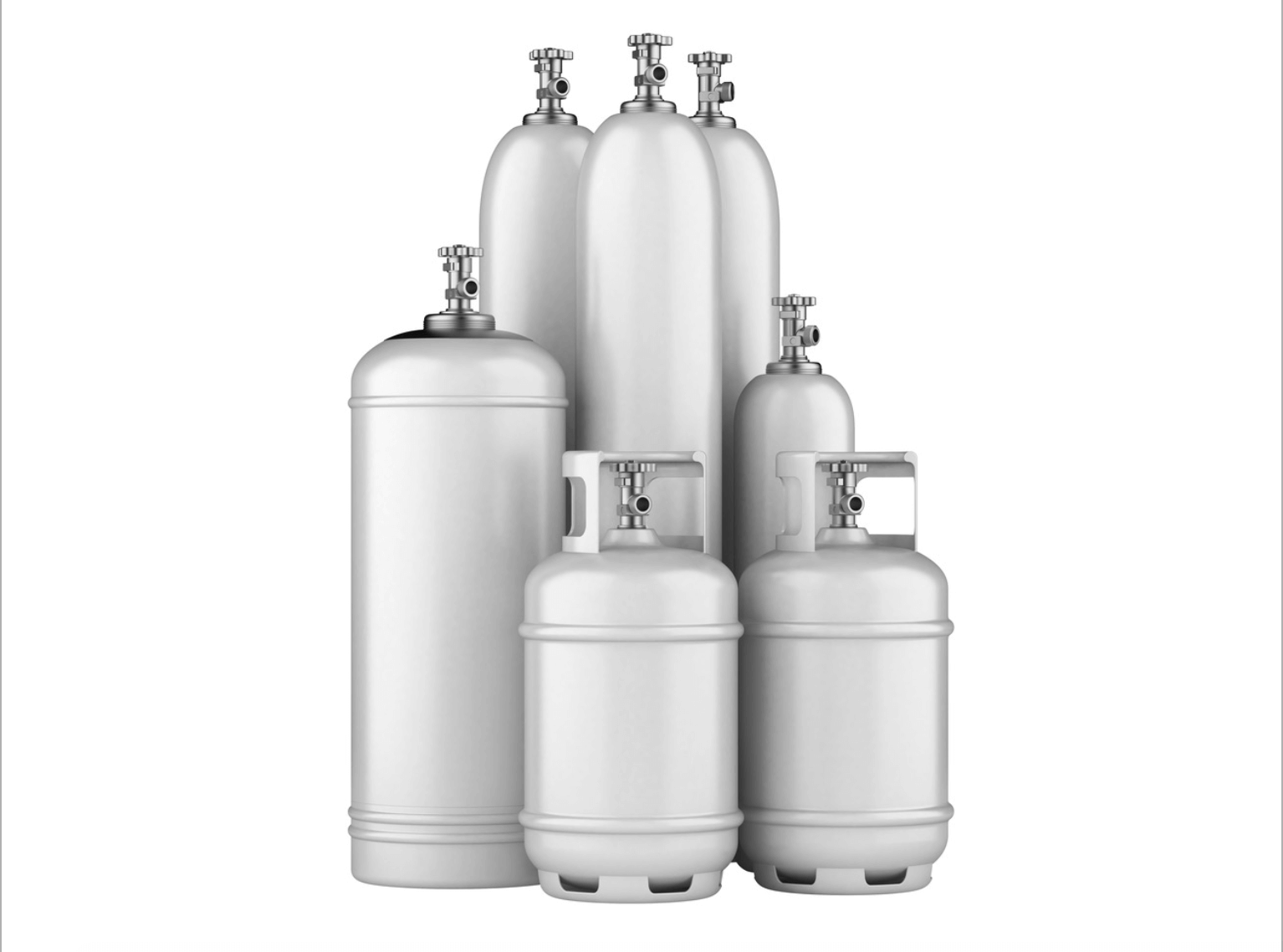
Keep propane tanks in a sheltered, warmer spot. Use a propane heater or warm water to gently thaw frozen parts. Avoid open flames or hot water to prevent danger. Regularly check tank valves and regulators for ice buildup. Drain water from tanks to reduce freezing risks. Schedule routine inspections and maintenance to ensure proper function.
Credit: bryansfuel.on.ca
Frequently Asked Questions
At What Temperature Does Propane Freeze?
Propane freezes at about -306°F (-188°C). Below this temperature, it changes from liquid to solid. This point is crucial for storage and handling in extreme cold.
Can Propane Freeze In Winter Conditions?
Propane rarely freezes in typical winter weather. Most outdoor temperatures don’t reach its freezing point. Proper storage prevents freezing even in cold climates.
How Does Freezing Affect Propane Use?
Freezing propane limits its flow and pressure, reducing efficiency. Appliances may not function properly if propane solidifies. Avoid freezing for optimal performance.
Is Propane Freezing Dangerous?
Frozen propane itself is not dangerous, but it can cause equipment malfunctions. Always ensure propane remains above freezing to maintain safe and reliable operation.
Conclusion
Propane freezes at about -306 degrees Fahrenheit. This is much colder than most outdoor temperatures. So, propane usually stays liquid in normal use. Knowing this helps with safe storage and handling. Keep propane tanks away from extreme cold. This prevents any problems with fuel flow.
Understanding propane’s freezing point keeps your equipment working well. It also helps avoid surprises during cold weather. Stay informed and use propane safely all year round.