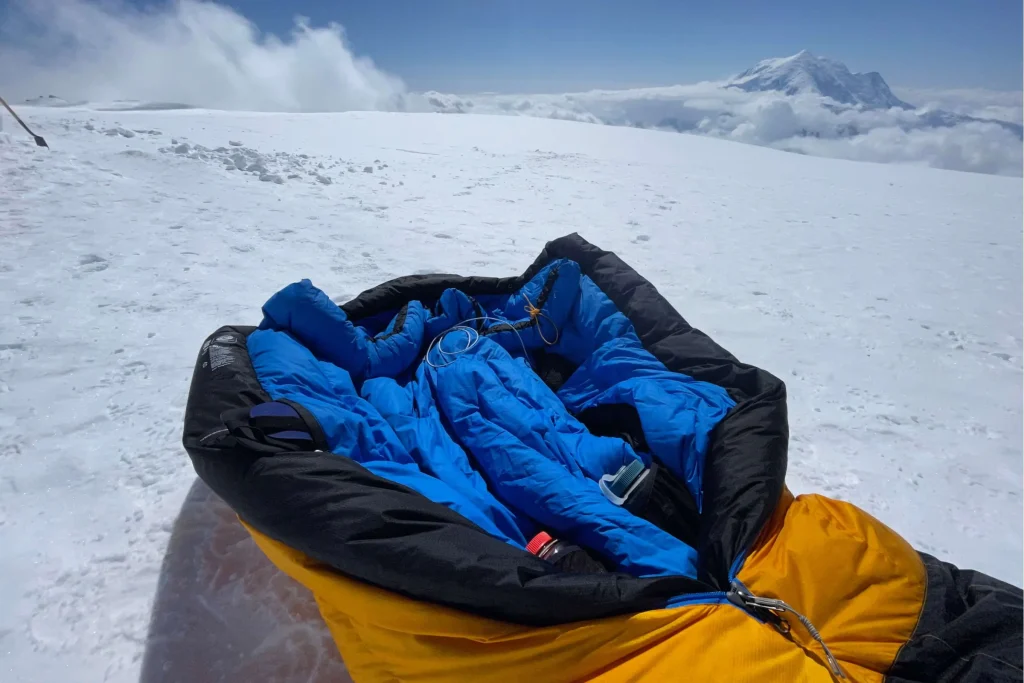
Are you planning a camping trip and wondering if your 20 degree sleeping bag will keep you warm enough? Choosing the right sleeping bag temperature rating can make the difference between a cozy night’s sleep and a chilly, uncomfortable experience.
You want to know exactly what weather conditions your 20 degree sleeping bag is designed for, so you can pack smart and stay comfortable. Keep reading, and you’ll discover how to use your sleeping bag to its full potential—and avoid those cold nights that can ruin your adventure.

Credit: www.cleverhiker.com
Sleeping Bag Temperature Ratings
Sleeping bag temperature ratings show what weather a bag can handle. They help you pick the right bag for your trip.
A 20 degree sleeping bag means it keeps you warm down to about 20°F (-6°C). But ratings can vary by brand and testing method.
Comfort Vs Limit Ratings
Comfort rating shows the lowest temperature where an average person feels warm. Limit rating is the lowest temperature before feeling cold.
A 20 degree bag usually means the limit rating is 20°F. The comfort rating is often higher, around 30°F, meaning some may feel cold below that.
- Comfort rating: where most people sleep comfortably
- Limit rating: where you can survive but may feel cold
- Choosing a bag depends on your cold tolerance
How Ratings Are Tested
Manufacturers test bags using a heated mannequin or real people. They check how long it takes to get cold at different temperatures.
Tests use standard conditions like humidity and wind. These tests give ratings but real use can differ by person and weather.
- Mannequin tests measure heat loss
- Human tests record comfort at set temperatures
- Conditions like wind or wetness affect real warmth
Variations Among Brands
Brands may use different testing methods or standards. This causes similar bags to have different temperature ratings.
Some brands rate bags more conservatively, others more optimistically. Check reviews and user feedback before buying.
- Different standards like EN or ISO affect ratings
- Fill type and bag shape also change warmth
- Look at multiple sources to pick the right bag

Credit: www.gearx.com
Features Of A 20 Degree Sleeping Bag
A 20 degree sleeping bag works well in cool weather. It keeps you warm during chilly nights. Knowing its features helps you choose the right bag.
This guide explains three key features: insulation types, shape and design, and weight and packability.
Insulation Types
Insulation keeps heat inside the sleeping bag. Two main types are common in 20 degree bags.
- Down insulation:Light and compressible. It traps heat well. It loses warmth when wet.
- Synthetic insulation:Heavier but dries fast. Keeps warmth even when damp.
Shape And Design
The shape affects warmth and comfort. Most 20 degree bags use a mummy or rectangular shape.
| Shape | Benefit | Drawback |
|---|---|---|
| Mummy | Fits snugly to keep heat in | Less room to move |
| Rectangular | More space for comfort | Less heat retention |
Weight And Packability
A 20 degree sleeping bag should be easy to carry. Weight and size matter for hikers and campers.
- Lighter bags are easier to carry on long trips.
- Compact bags save space in your backpack.
- Check the compressed size before buying.
Ideal Conditions For A 20 Degree Bag
A 20 degree sleeping bag is designed to keep you warm in cool to cold weather. It works well in many outdoor situations where temperatures drop but do not reach extreme lows.
This bag is a good choice for campers who want comfort and warmth without carrying very heavy gear. Understanding when to use it helps you stay safe and cozy.
Seasonal Use
A 20 degree bag is best for late fall, winter, and early spring camping. It handles cold nights but not severe winter storms.
In summer, this bag might be too warm unless you camp in cooler mountain areas or during chilly nights.
- Late fall to early spring seasons
- Cool summer nights in mountains
- Not ideal for hot summer weather
Camping Environments
A 20 degree sleeping bag suits many camping settings like forests, campsites, and mountain trails. It keeps you warm without too much bulk.
This bag is not the best for very cold, windy, or snowy places. In harsh environments, you may need a warmer bag or extra layers.
- Forests and wooded areas
- Mountain trails with cool nights
- Campgrounds with moderate cold
- Avoid extreme cold or snowy zones
Altitude And Weather Impact
Higher altitudes usually have colder temperatures. A 20 degree bag can handle mild altitude cold, but not freezing conditions.
Weather changes like wind, rain, or humidity affect warmth. Use a shelter or extra insulation to stay warm in bad weather.
- Good for mild to moderate altitude cold
- Not for freezing high-altitude nights
- Wind and rain reduce bag warmth
- Use extra protection in poor weather
Credit: gearjunkie.com
How To Maximize Warmth
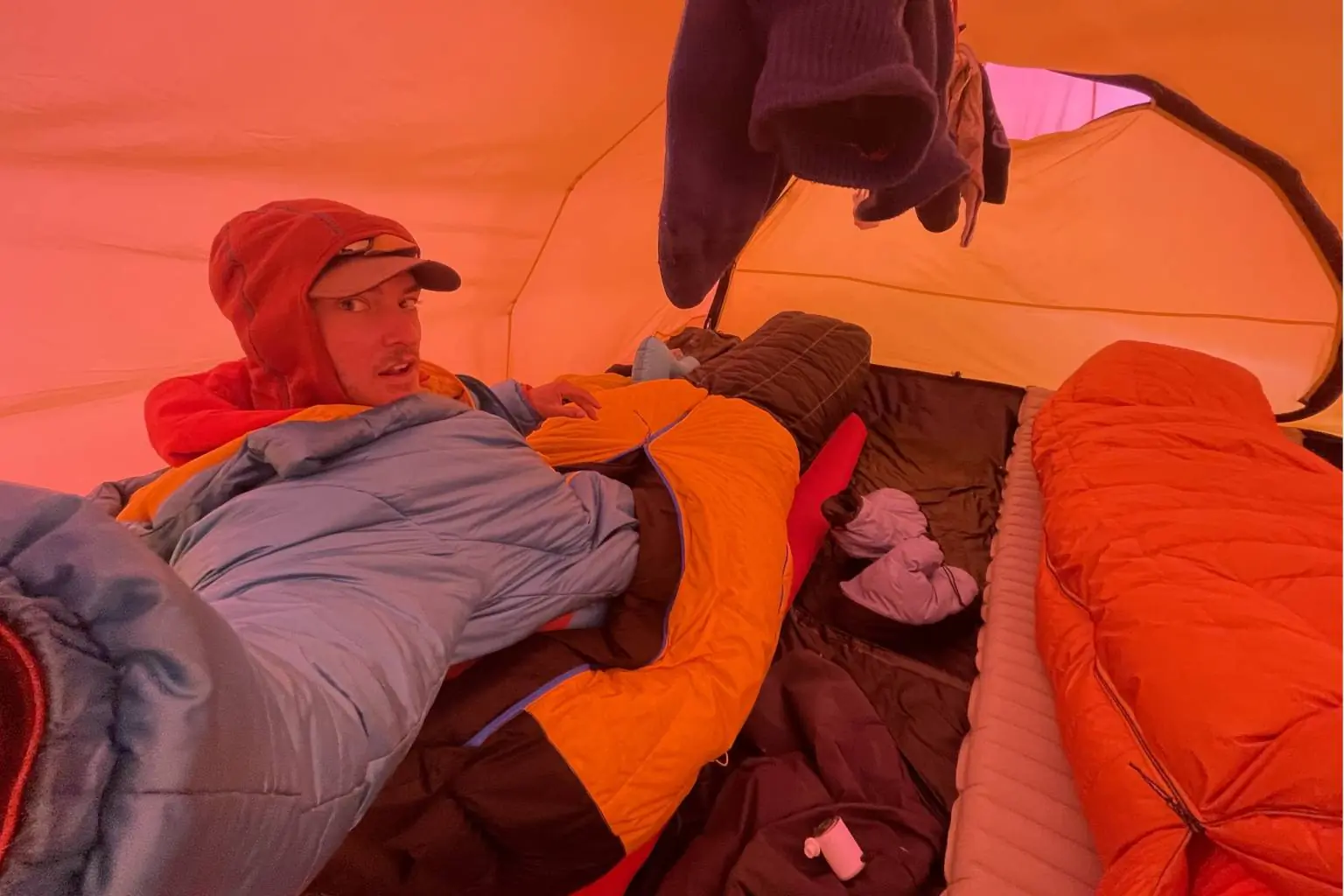
A 20 degree sleeping bag is good for cold weather camping. To stay warm, use smart methods that add extra heat.
Simple tricks can keep your body heat inside the bag and stop cold air from sneaking in.
Layering Techniques
Wearing layers traps warm air close to your body. Start with a thin base layer that moves sweat away.
- Base layer: lightweight wool or synthetic fabric
- Middle layer: fleece or insulated jacket
- Outer layer: windproof and water-resistant shell
- Wear warm socks and a hat inside the bag
Proper Sleeping Gear
Choose the right gear to boost warmth inside your sleeping bag. Use a liner and proper clothing.
| Gear | Benefit |
| Sleeping bag liner | Adds 5-10°F warmth |
| Wool or fleece hat | Prevents heat loss from your head |
| Thermal socks | Keeps feet warm and dry |
| Gloves | Protects hands from cold |
Using Sleeping Pads
Sleeping pads stop cold ground from pulling heat away. Choose pads with good insulation.
Here are key points for sleeping pads:
- Use an insulated pad with an R-value of 3 or higher.
- Inflatable pads offer more comfort and insulation.
- Place the pad fully under your sleeping bag.
- Check for leaks before your trip.
Limitations Of A 20 Degree Bag
A 20 degree sleeping bag is made for cold weather but has limits. It works well in mild winter or cool fall nights.
This bag may not keep you warm in very cold or wet conditions. You must know when it is too cold to use it safely.
When It Might Be Too Cold
A 20 degree bag is not good if temperatures drop below 20°F (-6°C). Nights much colder than this can cause discomfort and risk.
Wind and wet weather can make a 20 degree bag feel colder. It may fail to keep you warm in these conditions.
- Temperatures below 20°F (-6°C)
- Strong winds or storms
- Wet or damp environments
Signs You Need A Warmer Bag
You feel cold even after zipping your sleeping bag fully. Shivering is a clear sign you need more warmth.
If you wake up often or have trouble sleeping, your bag might be too cold for the night conditions.
- Persistent shivering
- Cold hands and feet
- Difficulty staying asleep
- Feeling stiff or numb in the morning
Safety Tips For Cold Weather
Always check the weather forecast before using a 20 degree bag. Bring extra layers to stay warm if needed.
Use a sleeping pad to keep cold from the ground. Stay dry and avoid sweating inside your bag.
- Check weather before camping
- Bring warm clothes and layers
- Use an insulated sleeping pad
- Keep your sleeping bag dry
- Stay hydrated and eat enough food
Choosing The Right Sleeping Bag
A 20 degree sleeping bag is designed for cold weather. It keeps you warm when temperatures drop near 20 degrees Fahrenheit. Picking the right sleeping bag depends on where and how you plan to use it.
Understanding your needs helps you choose a sleeping bag that fits your activities and comfort level. This guide covers key points to consider before buying.
Matching Bag To Your Needs
A 20 degree bag is good for cold nights in spring, fall, and mild winter. It works well for camping in areas where temperatures drop to about 20°F (-6°C). If you camp in warmer weather, this bag might be too warm.
- Check the lowest temperature you expect
- Match the bag’s rating to that temperature
- Consider the bag’s shape for warmth and weight
- Think about your sleeping habits and clothing
Budget Considerations
Sleeping bags come in many price ranges. Your budget affects the materials and features you get. More expensive bags often use lighter, warmer materials.
| Price Range | Material | Weight |
| Low | Synthetic fill | Heavier |
| Mid | Blended fill | Moderate |
| High | Down fill | Light |
Maintenance And Care
Taking care of your sleeping bag keeps it working well for years. Clean it after trips and store it loosely to keep the insulation fluffy.
- Use a sleeping bag liner to reduce washing
- Spot clean dirt and stains
- Wash only when needed, using gentle soap
- Dry completely before storage
- Store in a large bag or hang in a dry place
Frequently Asked Questions
What Is A 20 Degree Sleeping Bag?
A 20 degree sleeping bag is designed for use in temperatures as low as 20°F. It provides adequate warmth in moderately cold weather. Ideal for three-season camping, it balances insulation and weight. Always consider your personal comfort and layer clothing accordingly for optimal warmth.
Is A 20 Degree Sleeping Bag Good For Winter?
A 20 degree sleeping bag may suffice for mild winter conditions. It is not suitable for extreme cold. In harsh winter climates, opt for a lower temperature-rated bag. Layering with thermal clothing can enhance warmth. Always consider weather conditions and personal comfort preferences.
Can I Use A 20 Degree Sleeping Bag In Summer?
Yes, a 20 degree sleeping bag can be used in summer. It might be too warm for hot nights. Consider unzipping it for better ventilation. Always assess the night-time temperatures of your camping location. Lightweight summer-specific bags might be more comfortable.
How To Choose A Sleeping Bag For Camping?
When choosing a sleeping bag, consider the temperature rating and camping conditions. A 20 degree sleeping bag suits moderate climates. Check the bag’s insulation type and weight. Personal comfort preferences are crucial. Ensure the bag fits your body size for optimal warmth retention.
Conclusion
A 20 degree sleeping bag suits cool to cold weather camping. It keeps you warm down to around 20 degrees Fahrenheit. Perfect for spring, fall, or mild winter trips. Stay comfortable without feeling too hot or too cold. Always check weather before your trip for the best choice.
Pair it with good clothing and a sleeping pad. Sleep well and enjoy your outdoor adventure safely. Choose the right sleeping bag for your needs and comfort.