
Are you planning a camping trip and wondering if your 20 degree sleeping bag will keep you warm enough? Choosing the right sleeping bag temperature rating can make all the difference between a cozy night and a chilly, restless sleep.
You want to feel comfortable and safe, no matter where you’re sleeping. You’ll discover exactly what conditions a 20 degree sleeping bag is designed for and how to use it to get the best rest possible. Keep reading to find out if your sleeping bag matches your adventure—and how to stay warm when it matters most.
Understanding The Temperature Rating
Sleeping bags come with temperature ratings to help you choose the right one. A 20 degree sleeping bag means it is designed for cold weather. But how do these ratings work? What do they really tell you about warmth?
It is important to understand the meaning and limits of these temperature ratings. This helps you pick a sleeping bag that keeps you comfortable and safe.
How Temperature Ratings Work
Temperature ratings show the lowest temperature a sleeping bag can handle. They are tested under specific conditions to give a standard measure. This helps compare different bags.
- Ratings are usually in degrees Fahrenheit or Celsius.
- A 20 degree rating means the bag keeps a person warm at 20°F (-6°C).
- Ratings assume the sleeper is using a sleeping pad and wearing standard clothes.
- Different standards exist, like EN or ISO, for testing ratings.
- The rating is often the comfort limit, not the extreme limit.
Limitations Of Temperature Ratings
Temperature ratings are useful but not perfect. Many factors affect how warm you feel. Ratings do not cover all real-life conditions.
| Factor | Effect on Warmth |
| Body Heat | Varies by person; some get colder faster. |
| Clothing | Extra layers can add warmth beyond rating. |
| Sleeping Pad | Insulates from cold ground, crucial for warmth. |
| Wind and Moisture | Can reduce warmth even in rated temperature. |
| Bag Fit | A loose bag lets cold air in, reducing warmth. |

Credit: www.gearx.com
Ideal Conditions For A 20 Degree Sleeping Bag
A 20 degree sleeping bag is designed to keep you warm in cool to cold weather. It offers good insulation for outdoor activities in chilly nights.
This type of sleeping bag works best in conditions where temperatures drop close to 20 degrees Fahrenheit or above. It is a popular choice for campers and hikers.
Seasonal Use
A 20 degree sleeping bag is ideal for late fall, winter, and early spring camping. It provides enough warmth for cold nights during these seasons.
In summer, it might be too warm and cause discomfort. It is best to use it when temperatures are expected to be low but not extreme.
- Late fall camping when nights get colder
- Winter trips in mild to moderate cold
- Early spring adventures before the weather warms
Geographic Considerations
This sleeping bag suits regions with mild winters or higher elevations where temperatures drop at night. It works well in many mountain areas.
It may not be warm enough for very cold places like extreme northern zones or high alpine environments. Check local weather before camping.
- Good for mountainous areas with moderate cold
- Suitable for temperate zones with cold nights
- Not recommended for arctic or very cold regions
Factors Affecting Sleeping Bag Performance
Knowing what temperature a 20 degree sleeping bag is good for depends on many factors. These factors change how warm the sleeping bag can keep you at night.
Two main points affect performance: the materials used inside the sleeping bag and its shape and design. Each part plays a key role in keeping you warm.
Material And Insulation
The material and insulation inside a sleeping bag determine how well it traps heat. Different insulation types work better in different conditions.
- Down insulation:Very warm and light, but loses heat if wet.
- Synthetic insulation:Keeps warmth even when damp and dries faster.
- Outer fabric:Should resist wind and water to protect insulation.
- Lining material:Affects comfort and moisture control inside the bag.
Sleeping Bag Shape And Design
The shape and design of a sleeping bag affect how heat stays inside and air moves around you. A well-designed bag will keep you warmer for longer.
| Shape | Effect on Warmth |
| Mummy | Tight fit reduces air space, keeps heat close to body. |
| Rectangular | More room, less heat retention, better for mild weather. |
| Semi-rectangular | Balance between comfort and warmth. |
Enhancing Warmth In Cold Conditions
A 20 degree sleeping bag is designed for cold weather camping. It keeps you warm in low temperatures but adding extra warmth helps. Simple methods can improve your comfort and safety.
Using the right techniques can make your sleeping bag perform better. Layering clothes and using sleeping pads are two effective ways to stay warm all night.
Layering Techniques
Wearing layers inside your sleeping bag traps heat and blocks cold air. Choose clothes made of wool or synthetic materials. Avoid cotton because it holds moisture and cools you down.
- Start with a thin base layer to wick sweat away.
- Add a middle insulating layer like fleece or down.
- Wear a hat and socks to reduce heat loss from head and feet.
- Use gloves if your hands get cold easily.
- Change into dry clothes before sleeping to stay warm.
Using Sleeping Pads
Sleeping pads create a barrier between your bag and the cold ground. This prevents heat loss through conduction. Choosing the right pad improves insulation and comfort.
| Type of Pad | Insulation Value (R-value) | Best Use |
| Foam Pad | 2.0 – 3.5 | Lightweight camping in mild cold |
| Inflatable Pad | 3.0 – 5.0 | Comfort and warmth in colder weather |
| Self-Inflating Pad | 3.5 – 6.0 | Best for very cold conditions |
Alternatives For Extreme Cold
A 20 degree sleeping bag is good for mild to cool nights. It may not keep you warm in very cold weather. For extreme cold, you need other options.
There are ways to stay warm when the temperature drops below 20 degrees. You can choose bags made for colder weather or add extra gear.
Choosing A Lower Temperature Rating
Sleeping bags come with temperature ratings. A lower rating means the bag is warmer. For cold nights, pick a bag rated for 0 degrees or below.
Look for bags with good insulation and features like draft collars. These help keep heat inside the bag.
- Choose down or synthetic insulation based on wet conditions
- Check the temperature rating on the label
- Consider mummy-shaped bags for better heat retention
- Look for bags with draft tubes and insulated hoods
Supplemental Gear Options
Adding extra gear can help you stay warm with a 20 degree bag. Layering and insulation make a big difference.
Use sleeping pads, liners, and warm clothing to boost your warmth. These items trap heat and block cold air.
- Use an insulated sleeping pad under your bag
- Add a sleeping bag liner for extra warmth
- Wear thermal base layers and warm socks
- Use a hat and gloves to reduce heat loss
- Consider a bivy sack for wind protection
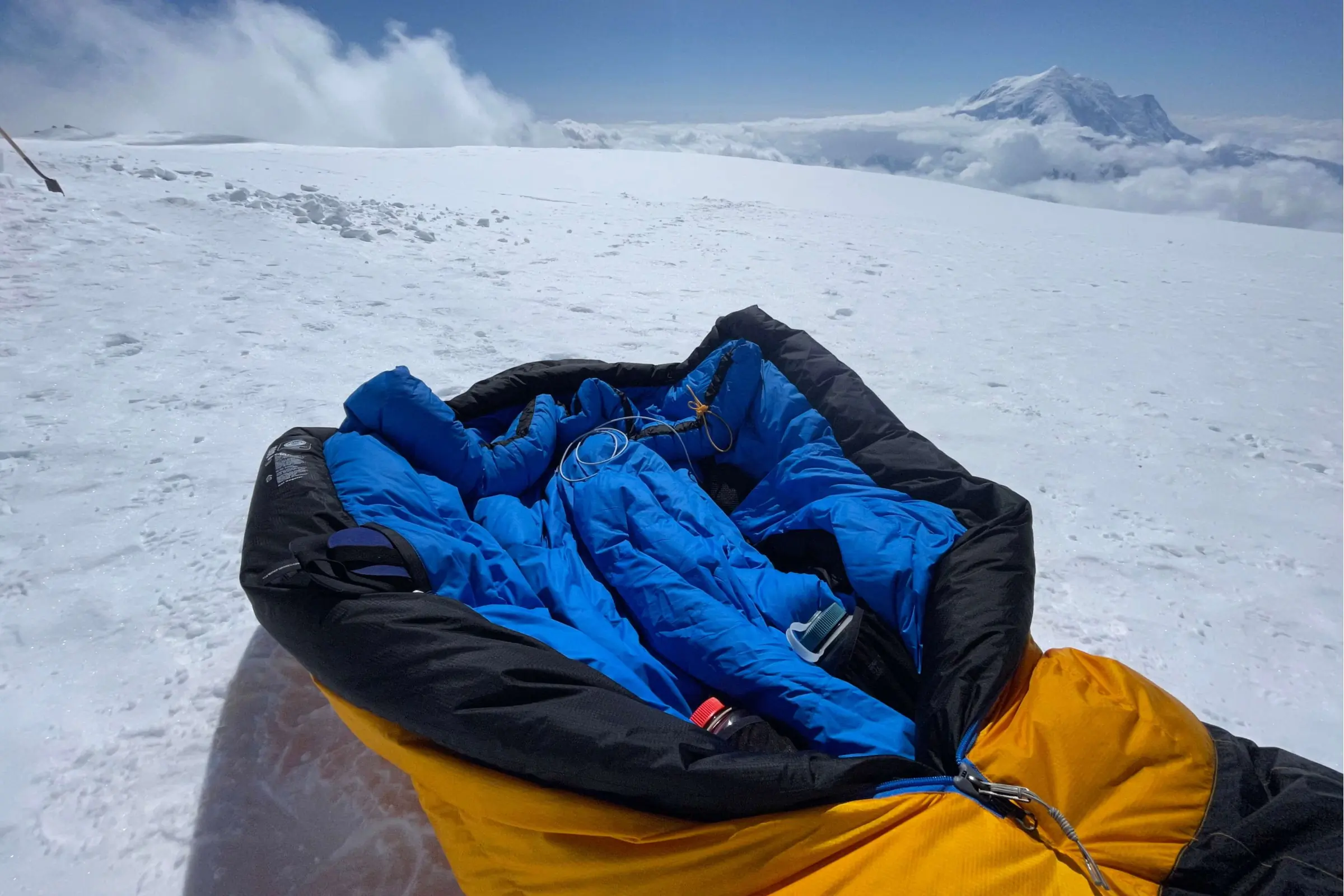
Credit: gearjunkie.com
Maintaining Your Sleeping Bag
A 20 degree sleeping bag is great for cool weather camping. To keep it working well, proper care is important. This helps the bag stay warm and last longer.
Good maintenance includes cleaning and storage habits. It also means fixing small tears and damage right away. This guide will help you care for your sleeping bag.
Cleaning And Storage Tips
Keep your sleeping bag clean to keep insulation strong. Wash it only when needed. Use gentle soap made for sleeping bags or down.
Dry the bag fully before storing. Store it loosely in a big sack or hang it. Avoid tight compression for long times.
- Spot clean small stains with mild soap
- Use front-loading washer or hand wash
- Air dry or use low heat dryer
- Store in a large breathable bag
- Avoid storing in tight stuff sacks
Repair And Longevity
Fix small holes or tears quickly. Use patches or fabric glue made for sleeping bags. This stops damage from getting worse.
Keep zippers clean and working well. Replace broken parts if needed. Proper care makes your bag last many years.
- Patch holes with fabric repair kits
- Lubricate zippers with zipper wax
- Replace broken zipper parts early
- Store bag dry to prevent mold
- Keep bag away from sharp objects

Credit: www.reddit.com
Frequently Asked Questions
What Temperature Range Suits A 20 Degree Sleeping Bag?
A 20 degree sleeping bag is ideal for temperatures between 15°F and 32°F (-9°C to 0°C). It keeps you warm in cold weather camping and mild winter conditions. Avoid using it in extreme cold below 0°F for safety and comfort.
Can A 20 Degree Sleeping Bag Be Used In Summer?
A 20 degree sleeping bag can be too warm for summer. It’s designed for cooler temperatures. For summer camping, choose a sleeping bag rated 35°F or higher to avoid overheating and ensure comfort.
How To Layer With A 20 Degree Sleeping Bag?
Layer thermal clothing inside a 20 degree bag for extra warmth. Use a sleeping bag liner to increase temperature rating by 5-10 degrees. Proper layering helps maintain comfort in colder conditions without needing a heavier bag.
Is A 20 Degree Sleeping Bag Good For Three-season Camping?
Yes, a 20 degree bag works well for three-season camping. It handles spring, fall, and mild winter weather. However, it may be too warm for summer and not enough for harsh winter conditions.
Conclusion
A 20 degree sleeping bag keeps you warm in cool weather. It works well for camping in early spring or fall. You can use it when temperatures drop near 20 degrees Fahrenheit. It is not meant for very cold winter nights.
Choose a bag based on where and when you camp. Stay safe and comfortable by picking the right gear. This way, you enjoy your outdoor adventure fully.