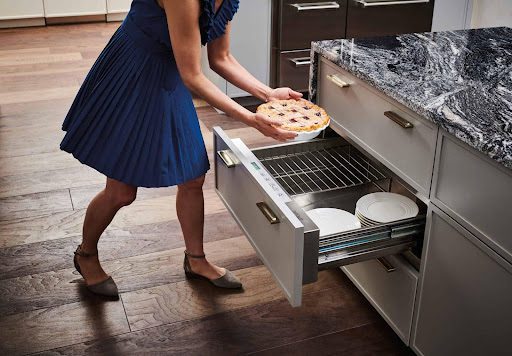
Have you ever wondered how a warming drawer keeps your food just right without overcooking it? Knowing the exact temperature of a warming drawer can change the way you serve meals and keep dishes fresh.
Whether you want to keep your dinner warm, melt cheese perfectly, or slow-cook delicate foods, understanding this temperature range is key. You’ll discover what temperature a warming drawer operates at and how to make the most of it every time you cook.
Keep reading to unlock simple tips that will elevate your kitchen skills instantly.
Warming Drawer Basics
A warming drawer is a kitchen appliance that keeps food warm until serving. It helps maintain the right temperature without cooking the food further.
These drawers are built into cabinets or walls and work at low temperatures. They keep meals ready and fresh for a longer time.
Purpose And Uses
The main purpose of a warming drawer is to keep food warm without drying it out. It stops meals from cooling down before eating time.
People use warming drawers to hold cooked dishes, warm plates, or proof dough. It is helpful during large meals or gatherings.
- Keep cooked food warm for serving
- Warm plates to keep food hot longer
- Proof bread dough at controlled temperatures
- Slow cook some meals at low heat
Types Of Warming Drawers
Warming drawers come in different types based on design and heating method. Some fit under ovens, while others are separate units.
There are electric warming drawers and those that use steam. Each type offers different benefits for food care.
- Electric warming drawers:Use dry heat to keep food warm.
- Steam warming drawers:Add moisture to prevent drying out.
- Built-in warming drawers:Installed under ovens or countertops.
- Portable warming drawers:Can be moved and placed on counters.
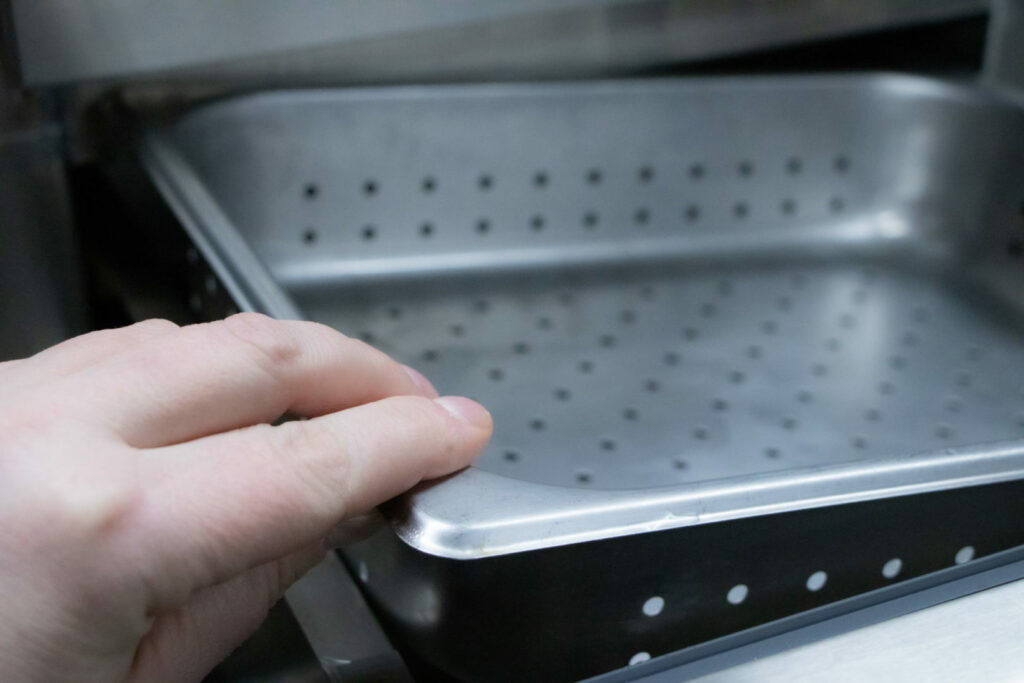
Credit: foodservice.winstonind.com
Ideal Temperature Ranges
A warming drawer keeps food warm at different temperatures. It helps serve food hot and fresh.
Knowing the right temperature setting is important. It prevents food from drying out or getting too hot.
Low Heat Settings
Low heat settings usually range from 80°F to 140°F (27°C to 60°C). This keeps food warm without cooking it further.
Use low heat for breads, cakes, or cooked vegetables that need gentle warming.
- Keep bread soft and fresh
- Prevent desserts from drying out
- Hold cooked vegetables warm
Medium Heat Settings
Medium heat settings usually range from 140°F to 180°F (60°C to 82°C). This temperature is good for holding meats and casseroles.
It keeps food hot and ready to serve without overcooking or drying out.
- Hold cooked meats
- Keep casseroles warm
- Maintain soups and stews temperature
High Heat Settings
High heat settings range from 180°F to 200°F (82°C to 93°C). Use this to finish cooking or keep food very hot.
This setting is best for crisping or warming foods quickly before serving.
- Finish cooking dishes
- Crisp foods like pizza or fries
- Keep food at serving temperature
Adjusting Settings For Different Foods
Warming drawers keep food at the right temperature before serving. You can change the settings to fit different types of food. Adjusting the heat helps keep food fresh and tasty.
Some foods need low heat, while others need a bit more warmth. Knowing these temperatures makes your warming drawer very useful in the kitchen.
Keeping Food Warm
Set the warming drawer between 140°F and 160°F to keep cooked food warm. This range stops food from drying out or cooling too fast. Use lower heat for delicate dishes and higher heat for meats.
- 140°F to 150°F: Ideal for bread, vegetables, and casseroles
- 150°F to 160°F: Best for meats, stews, and heavier dishes
- Use a lid or foil to hold moisture
Proofing Dough
Proofing dough needs a warm and humid environment. Set the warming drawer to about 85°F to 100°F. This helps yeast grow and dough rise properly without cooking it.
| Temperature | Purpose | Notes |
| 85°F to 90°F | Slow, steady rise | Best for bread dough |
| 90°F to 100°F | Faster rise | Good for quick recipes |
| Below 85°F | Slow fermentation | Use for flavor development |
Slow Cooking
Slow cooking in a warming drawer uses low temperatures for a long time. Set the drawer between 170°F and 200°F. This cooks food gently and keeps it tender.
Follow these tips for slow cooking:
- Use 170°F for delicate meats and fish
- Use 180°F to 200°F for tougher cuts like beef or pork
- Cover food to keep moisture in
- Cook times vary from 2 to 6 hours
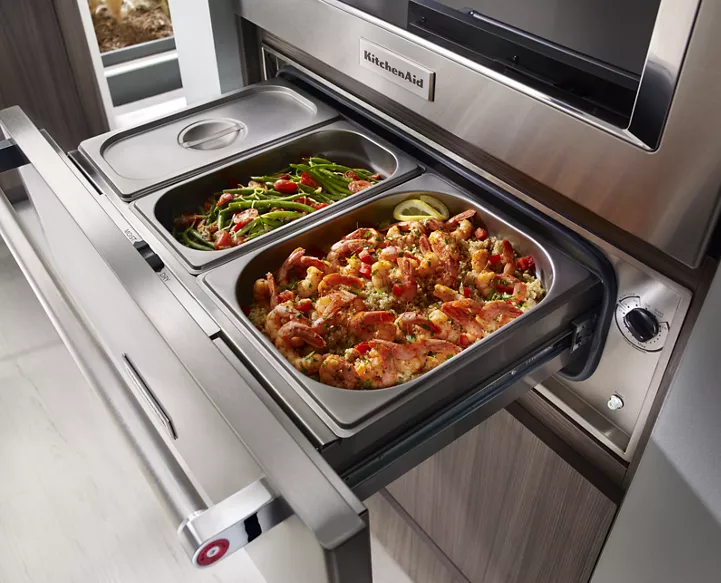
Credit: www.kitchenaid.com
Safety Tips For Using Warming Drawers
Warming drawers keep food warm at safe temperatures. They help avoid food spoilage and keep meals ready to serve.
Using warming drawers safely ensures food stays fresh and prevents accidents. Follow these tips to use them well.
Avoiding Overheating
Warming drawers usually keep food between 85°F and 200°F. Avoid setting the temperature too high to prevent overheating.
Overheating can dry out food or cause burns. Always check the drawer’s temperature settings before use.
- Do not leave the drawer on empty for long periods
- Use the lowest temperature that keeps food warm
- Turn off the drawer when not in use
Proper Food Storage
Store food in containers that are safe for warming drawers. Avoid plastics that can melt or release toxins.
Keep food covered to maintain moisture and prevent contamination. Do not store raw food in the warming drawer.
- Use heat-safe glass or ceramic containers
- Cover food with lids or foil
- Do not place food directly on the drawer surface
- Keep raw and cooked food separate
Cleaning And Maintenance
Regular cleaning keeps your warming drawer safe and working well. Clean spills quickly to avoid damage.
Check the drawer’s seals and heating elements often. Follow the manufacturer’s instructions for maintenance.
- Unplug the drawer before cleaning
- Use mild soap and a soft cloth
- Do not use abrasive cleaners or tools
- Inspect seals for cracks or wear
- Schedule professional service if needed
Energy Efficiency And Warming Drawers
A warming drawer keeps food warm at a steady temperature. It uses less energy than an oven for warming. Understanding its energy use helps save power and money.
Most warming drawers operate between 80°F and 200°F. This range is enough to keep food hot without cooking it further.
Energy Consumption
Warming drawers use less electricity than ovens. They maintain a low, steady heat to keep food warm. This makes them more energy efficient for holding food.
The power used depends on the drawer size and temperature setting. Lower temperatures use less energy. Using the drawer for short times also saves power.
Best Practices To Save Energy
Using a warming drawer smartly reduces energy waste. Set the temperature only as high as needed. Avoid opening the drawer often to keep heat inside.
- Preheat the drawer only if needed
- Use lower temperature settings for longer warming
- Keep the drawer full but not overcrowded
- Avoid opening the drawer while warming
- Turn off the drawer when not in use

Credit: www.abt.com
Frequently Asked Questions
What Temperature Does A Warming Drawer Usually Reach?
A warming drawer typically heats between 80°F and 200°F. This range keeps food warm without cooking it further. Temperatures vary by model and settings, offering flexibility for different foods and serving needs.
Can I Use A Warming Drawer To Proof Dough?
Yes, many warming drawers have a proofing setting. This setting maintains a warm, moist environment ideal for yeast dough rising. It usually keeps temperatures around 80°F to 100°F, perfect for proofing without overheating.
How To Adjust The Temperature In A Warming Drawer?
Most warming drawers have adjustable temperature controls or presets. You can set the drawer to a desired temperature within the range. Check your model’s manual for specific instructions on adjusting the heat levels.
Is A Warming Drawer Safe For Keeping Food Warm?
Yes, warming drawers are designed to keep food safe and warm. They maintain consistent temperatures that prevent bacterial growth. Always follow manufacturer guidelines for food safety and maximum time limits.
Conclusion
A warming drawer usually stays between 80°F and 200°F. This range keeps food warm without cooking it further. You can use it to keep meals ready for serving. It also helps keep dishes at the right temperature. Knowing the right warming drawer temperature makes cooking easier.
It saves time and keeps food fresh. Use it wisely for best results. Warming drawers add convenience to any kitchen. Try setting the temperature based on your needs. Simple, practical, and helpful every day.