Are you tired of constantly adjusting your air conditioner, unsure if you’re setting it to the right temperature? Finding the perfect balance between comfort and energy savings can be tricky.
But what if you knew the exact temperature that keeps your home cool without causing your electricity bill to skyrocket? You’ll discover the best temperature to set your air conditioner, helping you stay comfortable while saving money. Keep reading to unlock simple tips that can transform the way you cool your space.

Credit: www.healthkart.com
Ideal Temperature For Cooling
Choosing the right temperature for your air conditioner is important. It helps you stay comfortable and saves energy.
This guide explains the best temperature settings for cooling your home effectively.
Optimal Range For Comfort
The best temperature to set your air conditioner usually falls between 72°F and 78°F. This range keeps most people comfortable inside their homes.
- Below 72°F may feel too cold for many.
- Above 78°F might not cool enough on hot days.
- Adjust within this range based on your comfort needs.
Balancing Comfort And Energy Use
Setting your air conditioner too low increases energy use. Higher settings reduce costs but might lower comfort.
| Temperature Setting (°F) | Energy Use | Comfort Level |
| 72 | High | Very Comfortable |
| 75 | Medium | Comfortable |
| 78 | Low | Moderate Comfort |
Temperature Settings By Room Type
Setting the right temperature in your home can make a big difference in comfort. Different rooms may need different settings to keep everyone happy.
Here are some tips for setting the best temperatures in various parts of your home.
Living Rooms And Common Areas
Living rooms are where families gather and relax. The temperature should be comfortable for activities like watching TV or reading.
- Set the thermostat to 72°F (22°C) during the day.
- Adjust to 68°F (20°C) in the evening.
- Use fans to circulate air and enhance comfort.
Bedrooms And Sleeping Comfort
Bedrooms need a cooler temperature for a good night’s sleep. A cooler room helps your body rest better.
| Time | Recommended Temperature |
| Night | 65°F (18°C) |
| Early Morning | 68°F (20°C) |
Home Offices And Workspaces
Workspaces need a comfortable climate for productivity. It’s important to keep the temperature neither too hot nor too cold.
For optimal work efficiency, maintain the temperature around 70°F (21°C). This ensures a pleasant environment for focused tasks.
Factors Affecting Ac Temperature Choice
Choosing the right temperature for your air conditioner is important. It can affect comfort, energy use, and health.
Several factors influence the best temperature setting. These include outdoor weather, humidity, and your personal needs.
Outdoor Weather Conditions
The outside temperature plays a big role in setting your AC. If it is very hot outside, you may want a cooler indoor temperature.
Setting the AC too low when it is hot outside can waste energy and cause strain on the system.
- Hot days may need lower AC settings
- Mild weather allows for higher temperatures
- Cooler outside means less cooling needed indoors
Humidity Levels
Humidity affects how warm or cool you feel. High humidity makes the air feel hotter, even if the temperature is lower.
Your AC helps remove moisture from the air. Lowering the temperature more may be needed on humid days for comfort.
- High humidity may need cooler settings
- Low humidity allows for higher temperatures
- AC also reduces moisture, improving comfort
Personal Preferences And Health
Everyone feels temperature differently. Some people like it cooler, others prefer warmth. Health conditions also matter.
People with certain illnesses or the elderly may need a more stable and comfortable temperature to stay healthy.
- Adjust AC to suit your comfort
- Consider health needs when setting temperature
- Keep a consistent temperature for better health
Credit: heatable.co.uk
Energy Efficiency Tips
Setting the right temperature on your air conditioner saves energy and money. It also keeps your home comfortable without using too much power.
Using smart tools and regular care helps your AC work better. Fans can help too by moving cool air around the room.
Smart Thermostat Use
A smart thermostat adjusts the temperature automatically. It learns your schedule and cools only when needed. This reduces energy waste.
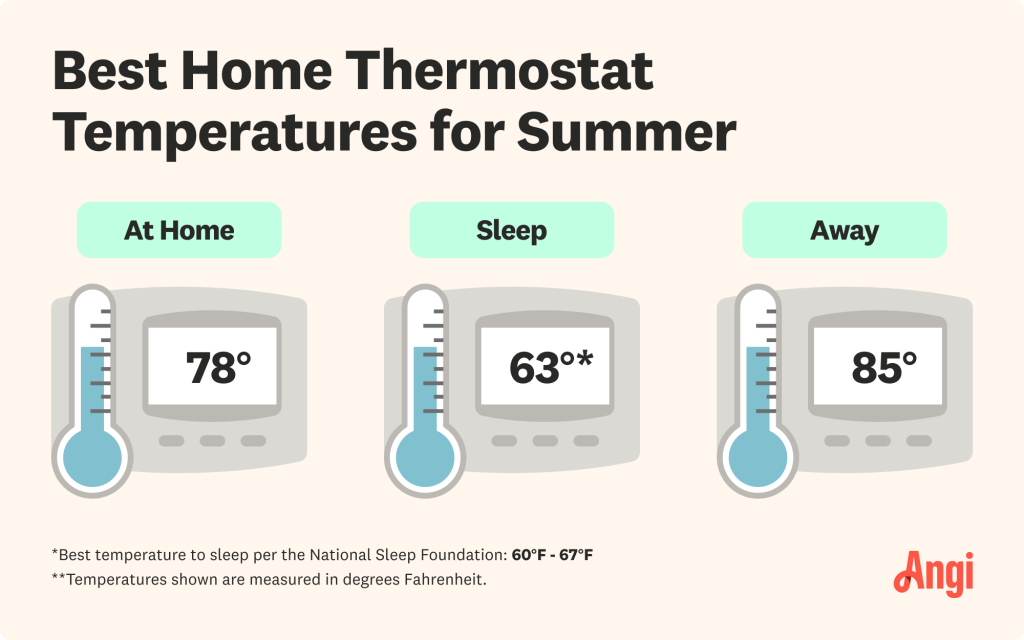
Programming your thermostat to 78°F (26°C) when you are home keeps energy use low. Raise it a few degrees when you leave to save more.
- Set cooling to 78°F when home
- Increase temperature when away
- Use scheduling features to avoid cooling empty rooms
Regular Maintenance Benefits
Cleaning and checking your AC keeps it running well. Dirty filters and coils make your AC work harder and use more energy.
Changing filters every 1-3 months and cleaning coils helps your unit cool efficiently. This extends the life of your AC and lowers bills.
- Replace or clean filters monthly
- Clean AC coils yearly
- Check refrigerant levels and fix leaks
Using Fans To Enhance Cooling
Fans move cool air from your AC around the room. This helps you feel cooler without lowering the thermostat too much.
Ceiling fans work best when set to spin counterclockwise in summer. Use fans with the AC to save energy and stay comfortable.
- Use ceiling fans on counterclockwise setting
- Turn off fans when no one is in the room
- Combine fans with a higher thermostat setting to save energy
Adjusting Temperature For Different Times
Setting the right air conditioner temperature saves energy and keeps you comfortable. The best temperature changes based on the time of day.
Adjusting the temperature for daytime, nighttime, and when you are away helps balance comfort and efficiency.
Daytime Settings
During the day, people are usually active and need a cool, fresh environment. Setting the AC to a moderate temperature helps you stay comfortable without using too much energy.
It is good to keep the temperature around 24-26°C (75-78°F) during daytime hours.
- Comfortable for work and activities
- Reduces energy use compared to very low settings
- Prevents the room from feeling too cold
Nighttime Settings
At night, the body cools down naturally. You can set the AC a bit higher to save power while still sleeping well.
A good nighttime temperature is around 26-28°C (78-82°F). This helps you sleep without feeling cold.
- Supports natural body temperature drop
- Uses less electricity during sleep
- Keeps air fresh without overcooling
When Away From Home
When no one is home, raise the temperature to save energy. The AC does not need to cool the house as much.
Set the temperature to about 28-30°C (82-86°F) when you are away for several hours.
- Prevents unnecessary cooling
- Reduces electricity bills
- Protects your AC system from overuse
Common Mistakes To Avoid
Setting the right temperature on your air conditioner saves energy and keeps you comfortable. Many people make mistakes that lower AC performance.
Knowing what to avoid helps you use your air conditioner better. Here are common errors to watch out for.
Setting Too Low Temperatures
Setting your AC temperature too low makes the unit work harder. This wastes energy and raises electricity bills. It also can cause your home to feel too cold and dry.
- Choose a moderate temperature, around 24-26°C (75-78°F).
- Avoid drastic temperature changes in a short time.
- Use a fan to help cool the room without lowering the AC temperature.
Ignoring Filter Changes
Dirty filters block airflow and reduce cooling efficiency. This makes your AC use more power and shortens its lifespan.
| Problem | Effect |
| Clogged filters | Less airflow, higher energy use |
| Neglecting filter cleaning | More dust, poor air quality |
| Delaying filter replacement | AC damage, costly repairs |
Overusing Ac Without Breaks
Running the AC nonstop wears it out faster. It also raises your power bills and can cause system failures.
- Turn off the AC when no one is home.
- Use a timer or smart thermostat to control usage.
- Open windows briefly to let fresh air in.
- Combine AC use with fans for better air circulation.
Credit: fischerheating.com
Frequently Asked Questions
What Is The Ideal Temperature To Set An Air Conditioner?
The ideal temperature to set your air conditioner is around 78°F (25-26°C). This balances comfort and energy efficiency, reducing electricity costs while keeping your space cool and pleasant.
How Does Temperature Affect Ac Energy Consumption?
Higher AC temperatures reduce energy use, lowering electricity bills. Setting your AC closer to 78°F uses less power than colder settings, making it more eco-friendly and cost-effective.
Can Setting Ac Too Low Cause Problems?
Yes, setting the AC too low can strain the system, increase energy bills, and cause uneven cooling. It may also lead to discomfort due to excessive cold indoors.
Should Ac Temperature Vary At Night?
Yes, raising the AC temperature slightly at night, around 80°F (27°C), saves energy and supports natural body cooling during sleep, enhancing comfort and reducing costs.
Conclusion
Setting your air conditioner to around 78°F saves energy and keeps you cool. This temperature balances comfort and cost well. Avoid very low settings; they waste electricity and strain your AC. Adjust slightly if you feel too warm or cold.
Remember, good airflow and closing blinds help keep rooms cooler too. Small changes make a big difference in your energy bill. Stay comfortable while using your AC smartly. This simple tip helps your home and the environment.