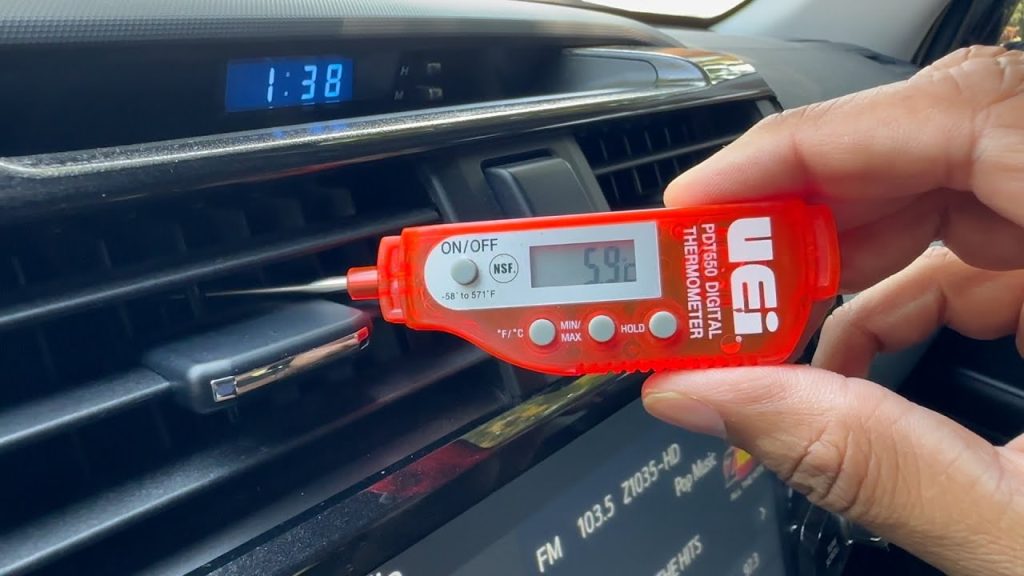
Have you ever wondered if your car’s air conditioner is blowing cold air at the right temperature? You rely on it to keep you comfortable during hot drives, but how do you know if it’s working properly?
Knowing the ideal temperature your car air conditioner should blow can help you spot problems early and enjoy a cool, refreshing ride every time. Keep reading to find out the perfect temperature range and simple tips to check if your AC is doing its job.
Your comfort on the road depends on it!

Credit: keepincool.com.au
Ideal Temperature Range
The car air conditioner should blow air between 60°F and 75°F. This range cools the car without being too cold.
Setting the temperature in this range helps keep passengers comfortable and saves energy.
Comfort Levels For Passengers
Most passengers feel good when the air conditioner blows air around 68°F to 72°F. This temperature is cool but not freezing.
If the air is too cold, some people may feel uncomfortable or get chills. Warmer air can help avoid this problem.
- 68°F to 72°F is comfortable for most people
- Too cold air can cause discomfort
- Adjust temperature slightly for passenger preference
Balancing Cooling And Energy Use
Setting the air conditioner too cold uses more energy and reduces fuel efficiency. A moderate temperature saves fuel.
Keeping the temperature between 70°F and 75°F helps balance cooling and energy use well.
- Lower temperatures cool faster but use more energy
- Higher temperatures save energy but cool slower
- Use a moderate setting for best balance
Credit: www.siennachat.com
Factors Affecting Ac Performance
The temperature your car air conditioner blows depends on many things. These factors change how well the AC cools the car.
Knowing these factors helps you understand why the AC may feel different at times. It also helps you use the AC better.
External Weather Conditions
Outside weather affects your car’s AC performance. Hot air makes the AC work harder to cool the car.
Humidity also plays a role. Moist air feels warmer, so the AC may need more time to remove moisture.
- High temperature means more cooling needed
- High humidity makes the air feel warmer
- Wind can help cool the car when windows are open
Car Interior Materials
Materials inside your car affect how it stays cool. Dark seats and carpets absorb more heat.
Light colors reflect heat better, so the car stays cooler. Soft materials can trap heat longer.
- Dark materials absorb more sunlight and heat
- Light materials reflect heat and stay cooler
- Leather seats may feel hotter in the sun
Sunlight Exposure
Sunlight heats the car’s inside quickly. More sunlight means higher temperature inside the car.
Windows let sunlight in and raise the temperature. Tinted windows reduce heat but do not block all sunlight.
- Direct sunlight warms the car interior fast
- Parked in shade keeps the car cooler
- Tinted windows lower heat from sunlight
Setting Your Car Ac Correctly
Knowing the right temperature for your car air conditioner helps keep you comfortable. It also saves energy and reduces wear on your car’s system.
This guide explains how to set your car AC for the best cooling and efficiency.
Recommended Temperature Settings
Set your car AC temperature between 22°C and 24°C (72°F and 75°F) for comfort. This range cools the car well without using too much energy.
Lower temperatures can make the system work harder. This may cause it to break down faster and waste fuel.
Using Recirculation Mode
Recirculation mode keeps the car’s air inside the vehicle. It cools the air faster by not bringing in hot outside air.
Use this mode in hot weather to help the AC cool the cabin quickly. Turn it off occasionally to let fresh air in and avoid stale air.
- Faster cooling inside the car
- Better fuel efficiency
- Prevents outside dust and smells
- Use fresh air mode sometimes for ventilation
Adjusting Fan Speed
Fan speed controls how much air blows into the cabin. Higher speeds cool the car faster but use more power.
Start with a medium fan speed. Lower it once the car feels cool to save energy and reduce noise.
- High speed cools quickly on hot days
- Medium speed balances cooling and energy use
- Low speed saves power and is quieter
Common Mistakes To Avoid
Knowing the right temperature for your car air conditioner helps you stay comfortable. Many people make simple mistakes that reduce cooling performance.
These mistakes can cause the air conditioner to work harder and waste energy. Avoid these errors to keep your car cool and save fuel.
Setting Too Low Temperatures
Setting the air conditioner to very low temperatures does not cool the car faster. It makes the system run longer and uses more fuel.
Try to keep the temperature around 22 to 24 degrees Celsius for comfort. This range cools the car without overworking the AC.
- Very low settings can freeze the AC coils.
- Higher settings save fuel and reduce wear.
- Use the fan speed to help cool faster.
Ignoring Regular Maintenance
Many drivers forget to check their car’s AC system regularly. Dirt and dust can block the air filters and reduce cooling.
Regular maintenance keeps the system clean and efficient. It helps the AC blow air at the right temperature.
- Change air filters every 12,000 miles or as needed.
- Check refrigerant levels to avoid weak cooling.
- Clean the AC vents to improve airflow.
Improving Ac Efficiency
Setting your car’s air conditioner to the right temperature helps it work better. A well-maintained AC cools faster and uses less energy.
Simple habits can keep your AC blowing cold air. These tips also save fuel and reduce wear on your car.
Parking In The Shade
Parking your car in the shade keeps it cooler. This lowers the inside temperature before you turn on the AC.
- Look for shaded spots under trees or buildings.
- Avoid parking under direct sunlight for long hours.
- Shade reduces heat buildup inside the car.
Using Sunshades And Window Tints
Sunshades block sunlight from entering your car. Window tints reduce heat and glare, helping the AC cool faster.
| Method | Benefit |
| Sunshades | Blocks direct sunlight through windshield |
| Window Tints | Reduces heat and UV rays entering windows |
| Combination | Keeps inside temperature lower for longer |
Regular System Checkups
Regular maintenance keeps your AC running well. Checking refrigerant levels and cleaning filters help the system cool efficiently.
- Inspect refrigerant levels and refill if needed
- Clean or replace air filters regularly
- Check for leaks or damaged hoses
- Test compressor and fan operation

Credit: www.youtube.com
Frequently Asked Questions
What Temperature Should A Car Ac Blow?
A car AC should blow air around 35 to 45°F (1. 5 to 7°C). This ensures effective cooling without freezing the system. Temperatures outside this range may indicate AC issues or refrigerant problems.
How Cold Is Car Ac Air Normally?
Car AC air normally blows between 35°F and 45°F. This range balances comfort and system efficiency. If air is warmer, the AC may need servicing or refrigerant recharge.
Why Isn’t My Car Ac Blowing Cold Air?
Your car AC may not blow cold air due to low refrigerant, a dirty condenser, or a faulty compressor. Regular maintenance can prevent these issues and keep your AC working efficiently.
Can Car Ac Temperature Be Adjusted?
Yes, car AC temperature can be adjusted using the climate control settings. Modern vehicles offer precise temperature control for comfort. Manual systems allow basic hot or cold air adjustments.
Conclusion
A car air conditioner should blow cool air around 40 to 50 degrees Fahrenheit. This keeps you comfortable during hot days. Regular maintenance helps the AC work well and stay efficient. Check the system if the air feels warm or weak.
Proper temperature saves energy and prevents damage. Remember, a cool car means a safer, more pleasant drive. Stay cool, stay safe!