Are you wondering what temperature your air conditioner should be set at to stay comfortable without wasting energy? Finding the perfect balance can save you money on your bills and keep your home feeling just right.
You’ll discover simple tips to set your AC for maximum comfort and efficiency. Keep reading to learn how a small change in temperature can make a big difference for you and your wallet.
Ideal Temperature For Comfort
Setting your air conditioner to the right temperature helps keep your home comfortable. The right temperature balances cool air and energy use.
A good temperature setting keeps you comfortable without making your electricity bill too high.
Optimal Range For Cooling
The best temperature range for cooling is usually between 72 and 78 degrees Fahrenheit. This range keeps the room cool without using too much energy.
Choosing a temperature in this range helps your air conditioner run efficiently and keeps you feeling comfortable.
- 72°F feels cooler but uses more energy
- 75°F is a good balance for most people
- 78°F saves more energy but may feel less cool
Balancing Comfort And Energy Use
Lowering the temperature too much can increase energy use and costs. Setting it a bit higher saves energy but may reduce comfort.
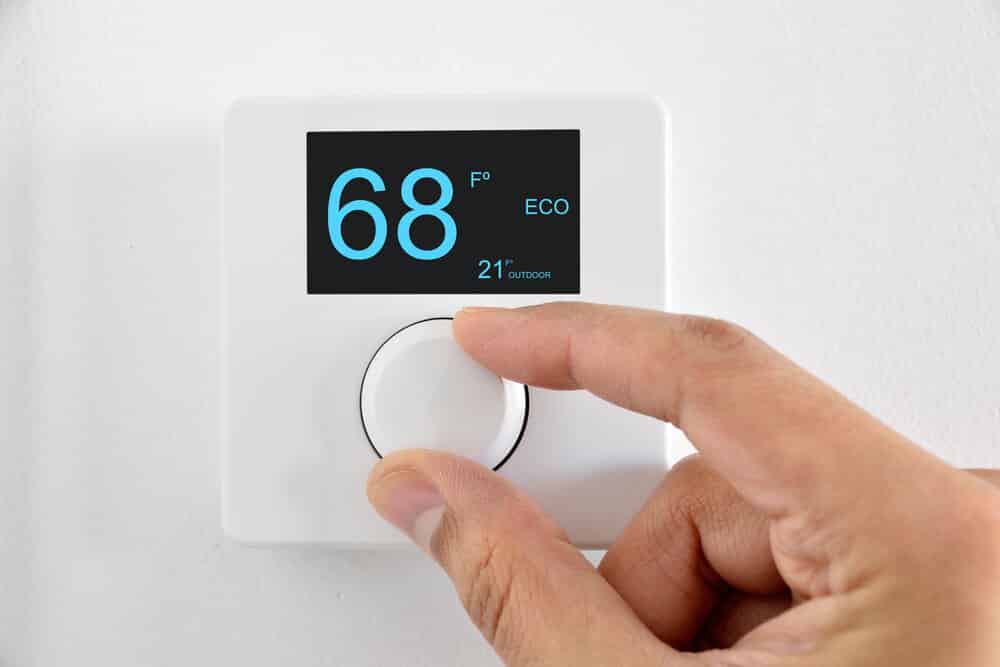
Use a programmable thermostat to adjust the temperature when you are away. This saves energy while keeping your home comfortable when you return.
- Set temperature higher when no one is home
- Lower temperature before you return
- Use fans to help circulate air
- Close blinds to reduce heat from sunlight
Credit: fischerheating.com
Energy Efficiency Tips
Setting your air conditioner at the right temperature saves energy and money. Small changes can make a big difference.
Learn simple ways to keep your home cool without wasting power.
Adjusting Thermostat Settings
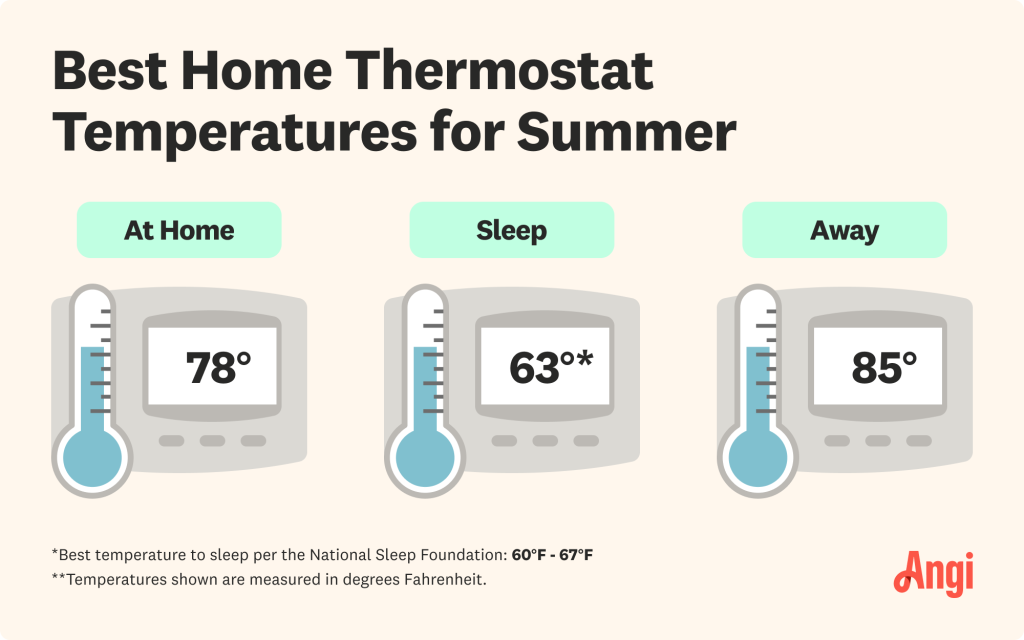
Set your thermostat to 78°F (25°C) when you are home. This keeps your room comfortable and saves energy.
Raise the temperature by 7 to 10 degrees when you leave. This reduces cooling costs without harming comfort.
- Use a fan to help cool your space at higher temperatures
- Close curtains to block heat from sunlight
- Keep doors closed to keep cool air inside
Using Programmable Thermostats
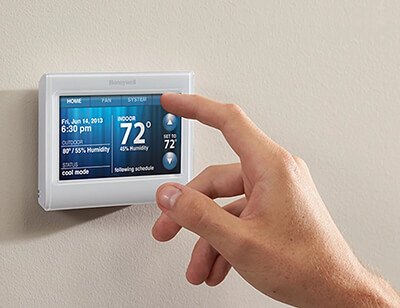
Programmable thermostats adjust temperature automatically. Set schedules for day and night to save power.
You can set the AC to turn off when you are not home. It turns on before you return to cool the space.
- Set higher temperature during work hours
- Lower temperature 30 minutes before arriving home
- Use vacation mode for long absences
Impact Of Temperature On Energy Bills
Each degree you raise the thermostat saves about 3% on cooling costs. Small changes add up over time.
Keeping the temperature too low uses more electricity and increases your bill. Balance comfort and cost.
| Temperature Setting (°F) | Estimated Energy Savings |
|---|---|
| 72 | Baseline |
| 75 | ~9% savings |
| 78 | ~18% savings |
| 80 | ~27% savings |
Temperature Settings For Different Seasons
Setting your air conditioner to the right temperature saves energy and keeps you comfortable. Different seasons need different temperature settings.
Knowing how to adjust your AC can improve your home’s comfort and lower electricity bills.
Summer Cooling Strategies
In hot summer months, set your air conditioner to a temperature that cools well but does not waste energy. Experts suggest keeping it around 78°F (25.5°C) when you are home.
- Keep the thermostat at 78°F when you are home.
- Raise the temperature by 7–10°F when you are away.
- Use fans to help circulate cool air.
- Close curtains to block sunlight and heat.
Maintaining Comfort In Mild Weather
During mild weather, you do not need to cool your home as much. Setting your AC a bit higher can keep the air fresh and save energy.
| Season | Recommended Temperature |
| Spring and Fall | 78°F to 82°F (25.5°C to 28°C) |
| Summer (Home) | 78°F (25.5°C) |
| Summer (Away) | 85°F (29.5°C) |
Health Considerations
Setting the right temperature on your air conditioner is important for your health. Too cold or too warm can cause problems.
We will look at health tips to keep you safe and comfortable with your AC settings.
Avoiding Overcooling
Overcooling can make your body lose heat too fast. This can cause muscle stiffness and discomfort.
It can also make your skin dry and cause headaches. Keep your AC at a moderate temperature to avoid these issues.
- Set the AC between 72°F and 78°F (22°C to 26°C)
- Use fans to help circulate air instead of lowering temperature
- Avoid sudden temperature changes when going outside
Effects On Respiratory Health
Air conditioners can dry out the air, which may irritate your throat and nose. This can lead to coughing or sneezing.
Keeping the temperature and humidity balanced helps protect your lungs and airways from irritation.
- Keep AC filters clean to reduce dust and allergens
- Use a humidifier if the air feels too dry
- Set temperature to avoid very cold air blowing directly on you
Smart Thermostat Benefits
Setting the right temperature on your air conditioner saves energy and money. Smart thermostats help keep your home comfortable by adjusting the temperature automatically.
These devices learn your habits and make changes without you needing to do much. They work well to keep your home cool and use less power.
Automation And Scheduling
Smart thermostats let you set a schedule for your air conditioner. You can program it to turn on or off at certain times each day.
This helps keep the temperature just right when you are home. It also saves energy when you are away or asleep.
- Set cooling times for different days
- Automatically adjust temperature based on your routine
- Save energy by turning off AC when not needed
Remote Control Features
With remote control, you can change the temperature from anywhere using your phone. This means you can cool your home before you arrive.
Remote access also helps you check your settings and adjust if the weather changes. It gives you full control without being near the thermostat.
- Control AC from your smartphone
- Change temperature while away from home
- Monitor energy use remotely
Common Mistakes To Avoid
Setting your air conditioner at the right temperature saves energy and keeps you comfortable. Many people make mistakes that raise bills or reduce cooling.
Learn about common errors to avoid for better cooling and lower costs.
Setting Too Low Temperatures
Setting your air conditioner too low does not cool your home faster. It makes your system work harder and wastes energy.
Lower temperatures can cause high electricity bills and wear out your AC unit quickly.
- Do not set below 75°F (24°C) for normal cooling.
- Use a moderate temperature to save energy.
- Set higher temps when no one is home.
Ignoring Maintenance Needs
Skipping regular AC maintenance causes poor performance and higher costs. Dirty filters and blocked vents reduce cooling.
Regular care helps your AC work better and last longer.
- Change or clean filters every 1-3 months.
- Clear debris around outdoor units.
- Schedule professional checkups yearly.
- Fix leaks and strange noises early.
Room-specific Temperature Tips
Setting the right air conditioner temperature depends on the room you are cooling. Different rooms need different temperatures for comfort and energy savings.
Knowing the best temperature helps keep you comfortable and lowers electricity bills.
Bedrooms
Bedrooms should be cooler to help you sleep better. Experts suggest setting the temperature between 60 and 67 degrees Fahrenheit.
Cool air helps your body relax and fall asleep faster. Avoid setting the temperature too low to prevent dryness or discomfort.
Living Areas
Living rooms and family areas need a comfortable temperature for everyone. The ideal range is between 72 and 78 degrees Fahrenheit.
- Set the AC higher when the room is empty
- Lower the temperature during gatherings
- Use fans to help circulate air
- Keep blinds closed to reduce heat from sunlight
Home Offices
Home offices require a balance of comfort and focus. Too hot or too cold can reduce productivity.
| Time of Day | Recommended Temperature |
| Morning | 72°F (22°C) |
| Afternoon | 74°F (23°C) |
| Evening | 70°F (21°C) |
Credit: gulfshorecooling.com
Credit: heatable.co.uk
Frequently Asked Questions
What Is The Ideal Air Conditioner Temperature Setting?
The ideal AC temperature is usually around 78°F (25-26°C) for comfort and energy savings. It balances cooling and cost efficiency.
How Does Temperature Setting Affect Energy Bills?
Lower temperatures increase energy use and raise bills. Setting your AC to 78°F reduces electricity consumption and saves money.
Can Temperature Settings Impact Indoor Air Quality?
Yes, proper temperature settings prevent excess humidity, reducing mold and allergens. This improves indoor air quality and comfort.
Should Temperature Differ When Home Is Empty?
Yes, raising the temperature a few degrees when away saves energy without sacrificing comfort upon return.
Conclusion
Choosing the right temperature for your air conditioner is important. It helps keep your home comfortable and your energy bills low. Set your AC to around 78°F for optimal cooling. This temperature balances comfort and efficiency. Adjust as needed based on personal comfort and weather changes.
It’s simple but effective. A well-set AC keeps you cool and saves money. Always remember to maintain your unit regularly. This ensures it works efficiently and lasts longer. Stay comfortable and enjoy a pleasant indoor climate all summer long.