Are you wondering what temperature your air conditioner should be set to for the best comfort and savings? Choosing the right setting can make a big difference in how cool your home feels and how much you pay on your energy bill.
If you set it too low, you might waste energy and money. Set it too high, and you won’t feel comfortable. You’ll discover the ideal temperature that keeps your home cozy without breaking the bank. Keep reading to find out how to get the perfect balance for your air conditioner.

Credit: www.reddit.com
Ideal Ac Temperatures
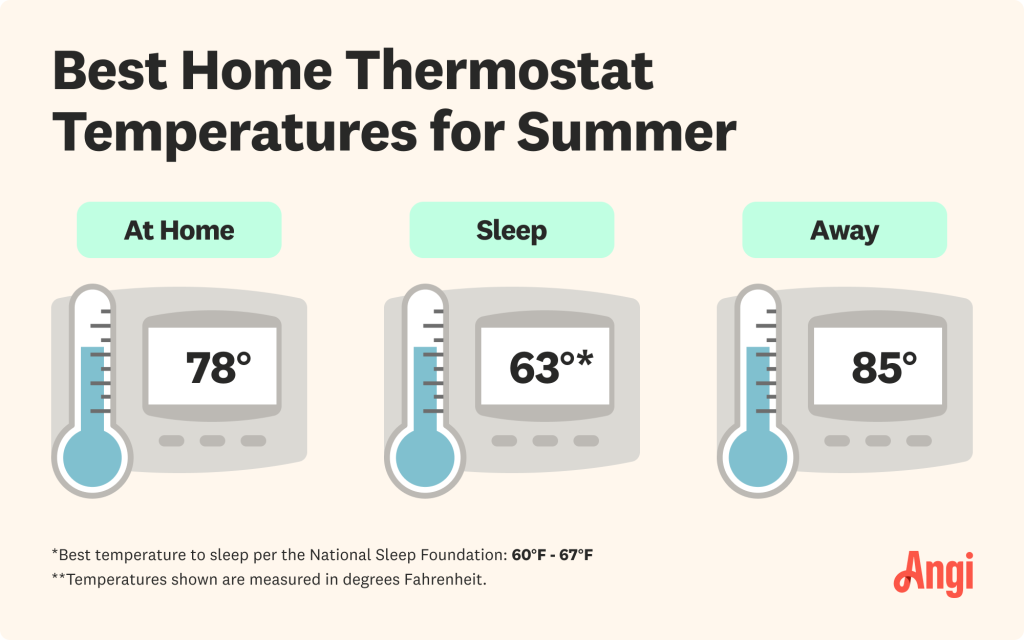
The best temperature for an air conditioner is usually between 72°F and 78°F. This range keeps the room comfortablewithout using too much energy. Setting the AC too cold wastes power and raises bills.
Try setting the thermostat to 78°Fwhen you are home and need cooling. When away or sleeping, raising it to 85°Fsaves energy but still protects your home.
Remember, every degree lower can increase energy use by about 6%. Small changes help the environment and your wallet.
- Set AC to 78°F for daily comfort
- Raise to 85°F when not home
- Use fans to help cool rooms faster
- Close curtains to block heat
Factors Affecting Temperature Choice
The climate and seasonstrongly affect the air conditioner’s ideal temperature. Hot summers require cooler settings, often between 72°F and 78°F. Cooler seasons may need less cooling, saving energy.
Room size and insulationmatter a lot. Larger rooms or poorly insulated spaces need lower temperatures to stay cool. Smaller, well-insulated rooms can be comfortable at slightly higher settings.
Occupant preferences and activitiesalso influence the best temperature. People doing active work may prefer cooler air. Those resting or sitting might like it warmer. Adjusting settings to comfort helps save energy.
Energy Efficiency Tips
Setting your air conditioner to 78°F (25-26°C)saves the most energy. This temperature keeps you cool and lowers your electric bill. Adjust the thermostat higher when away to cut costs further.
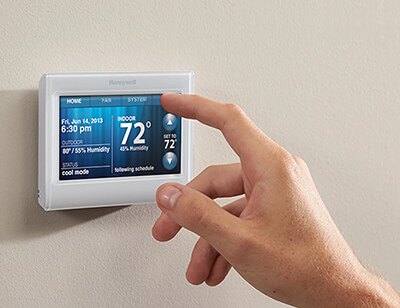
Programmable thermostatshelp keep temperatures steady. They change settings automatically based on your schedule. This avoids cooling empty rooms and saves energy effortlessly.
Regular maintenanceensures your AC works well. Clean or replace filters monthly. Check coils and ducts for dirt. Clear debris around the outdoor unit to improve airflow. Well-maintained AC units use less energy and last longer.
Credit: gulfshorecooling.com
Health Considerations
Avoiding overcoolinghelps prevent headaches and dry skin. Too cold air can cause muscle stiffnessand irritate respiratory passages. Setting the air conditioner between 75°F and 78°Fkeeps the room comfortable without harming health. Sudden temperature changes can make people feel sick.
Humidity and air quality effectsare important. Air conditioners reduce humidity, which stops mold and dust mites. But very low humidity can cause dry throat and eyes. Balance is key. Using a humidifierwith your AC can keep air healthy. Also, clean filters improve air quality and help you breathe easier.
Smart Thermostat Benefits
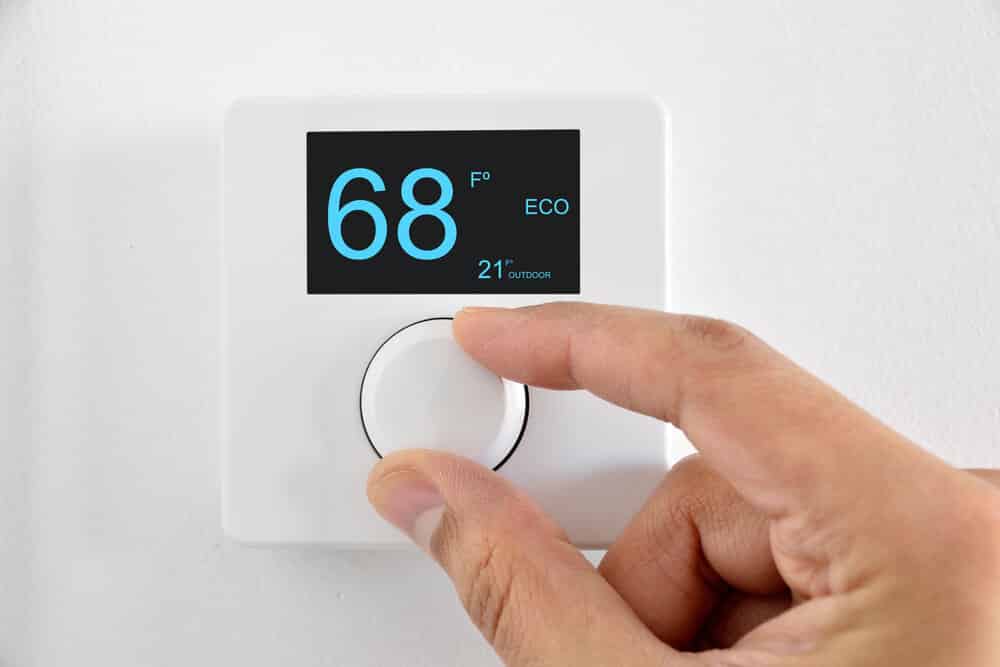
Adaptive temperature controlhelps your air conditioner adjust settings automatically. It learns your routine and changes the temperature for comfort and energy saving. This means less worry about setting the right temperature each time.
Remote access and schedulingallow you to control the thermostat from anywhere using your phone. You can set times for cooling, so your home is always just right when you arrive. This feature saves energy by running the AC only when needed.
Credit: fischerheating.com
Frequently Asked Questions
What Is The Ideal Ac Temperature In Summer?
The ideal temperature for an air conditioner in summer is typically between 24°C and 26°C (75°F to 78°F). This range provides a comfortable environment while ensuring energy efficiency. Adjusting your thermostat within this range can help reduce electricity bills and maintain a pleasant indoor climate.
Should Ac Be On Auto Or Fan Mode?
Setting your AC to auto mode is generally more efficient. It automatically adjusts the fan speed and cooling based on the room’s temperature. This helps in maintaining consistent comfort levels and can save energy compared to leaving the fan running continuously in fan mode.
Does Ac Temperature Affect Electricity Bills?
Yes, the AC temperature setting significantly impacts electricity bills. Higher settings, around 24°C to 26°C (75°F to 78°F), can reduce energy consumption. Lower temperatures require the system to work harder, increasing energy usage and costs. Balancing comfort and efficiency is key for cost-effective cooling.
How Can I Save Energy With My Ac?
To save energy, set your AC temperature between 24°C and 26°C (75°F to 78°F). Use ceiling fans to circulate air, and ensure windows and doors are sealed properly. Regular maintenance and cleaning of filters also enhance efficiency. These practices help reduce energy consumption and lower utility bills.
Conclusion
Setting your air conditioner to a comfortable temperature saves energy and money. Aim for around 78°F (25-26°C) during hot days. This keeps your home cool without using too much power. Adjust slightly if you feel too warm or cold. Remember to turn off the AC when not needed.
Good habits help your unit last longer and lower bills. Stay comfortable, save energy, and enjoy a pleasant home all summer long. Simple steps make a big difference.