Are you unsure about the best temperature to set your air conditioner? Getting it right can save you money, keep your home comfortable, and even help the environment.
But with so many opinions out there, it’s easy to feel confused. You’ll discover the ideal temperature settings that balance comfort and efficiency. By the end, you’ll know exactly how to set your AC to enjoy cool, refreshing air without wasting energy or driving up your bills.
Keep reading to find the simple tips that can make a big difference for you and your home.
Ideal Temperature Range
Setting your air conditioner to the right temperature helps save energy and keeps you comfortable. The ideal range changes between day and night.
Knowing the best temperature settings can lower your electricity bills and improve your home’s cooling efficiency.
Daytime Settings
During the day, your air conditioner should keep your home cool without using too much power. A good temperature range balances comfort and efficiency.
- Set the temperature between 24°C (75°F) and 26°C (78°F).
- Use fans to help circulate air and feel cooler.
- Keep blinds or curtains closed to block sunlight.
- Avoid setting the AC too low to save energy.
Nighttime Settings
At night, the temperature can be set a bit higher since the body cools naturally while sleeping. This also reduces power use.
| Time | Recommended Temperature |
| Evening | 26°C (78°F) |
| Night | 27°C (80°F) |
| Early Morning | 26°C (78°F) |
Factors Influencing Temperature Choice
Setting the right temperature on your air conditioner depends on many things. These factors affect how cool or warm your room feels.
Understanding these factors can help you choose the best temperature for comfort and energy savings.
Humidity Levels
Humidity makes the air feel warmer or cooler than it really is. High humidity can make you feel hotter.
Your air conditioner cools the air and removes moisture. If humidity is high, set a lower temperature to feel comfortable.
- High humidity: Set cooler temperature
- Low humidity: Set temperature a bit higher
- Use a dehumidifier for very humid rooms
Room Size And Insulation
Large rooms need more cooling than small rooms. The size of your room affects how the air conditioner works.
Good insulation keeps cool air inside and warm air out. Poor insulation means your air conditioner works harder.
- Big room: Lower temperature for full comfort
- Small room: Moderate temperature is enough
- Good insulation: Saves energy and keeps steady temperature
- Poor insulation: May need cooler setting and more energy
Personal Comfort Preferences
Everyone feels comfortable at different temperatures. Your comfort depends on your clothing and activity level.
Some people like cooler air, while others prefer it warmer. Adjust the temperature to what feels best for you.
- If active, set cooler temperature
- If resting, a warmer setting may be fine
- Wear light clothes for cooler settings
- Adjust based on how you feel, not just numbers
Energy Efficiency Tips
Setting your air conditioner at the right temperature saves energy and lowers bills.
Small changes in how you use your AC can keep your home cool and your costs down.
Balancing Comfort And Savings
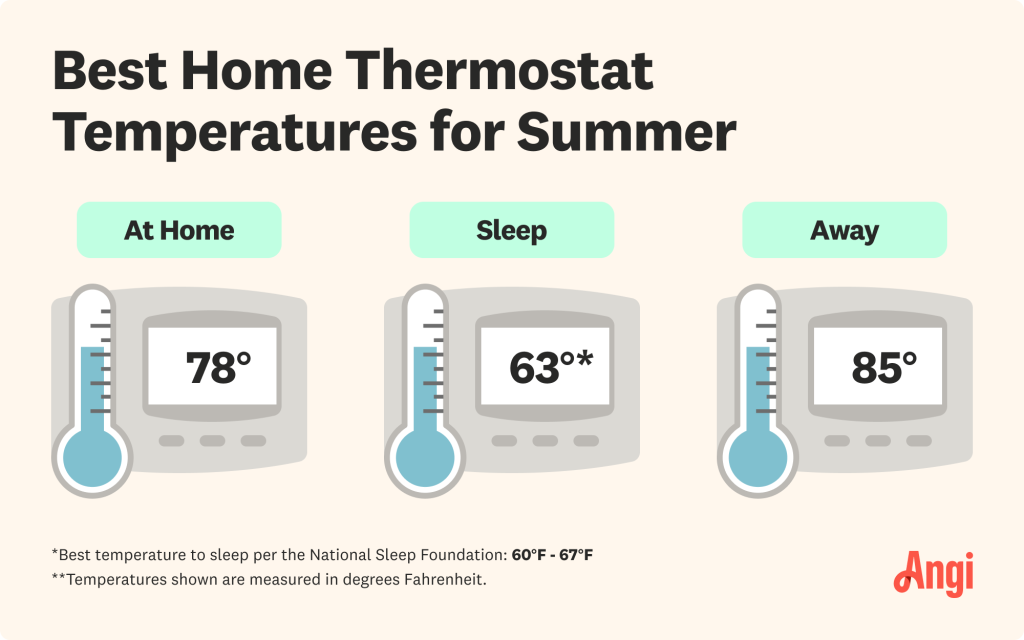
Keep your air conditioner at about 78°F (26°C) when you are home. This temperature balances comfort and energy use.
- Set the thermostat higher when no one is home.
- Close curtains or blinds to block sunlight.
- Use fans to help air flow and cool your space.
- Seal windows and doors to keep cool air inside.
Using Programmable Thermostats
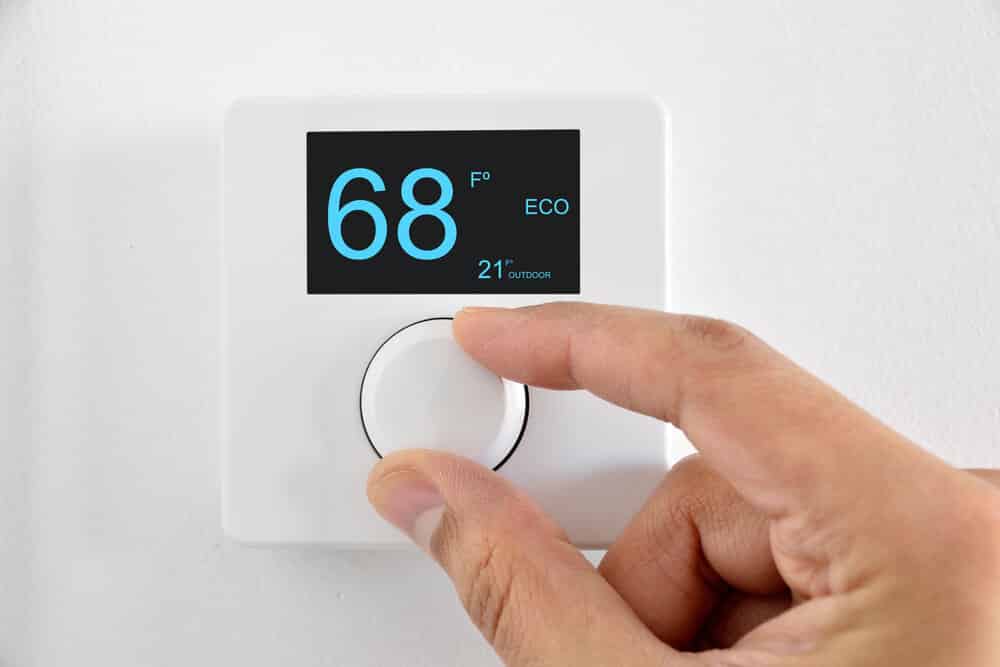
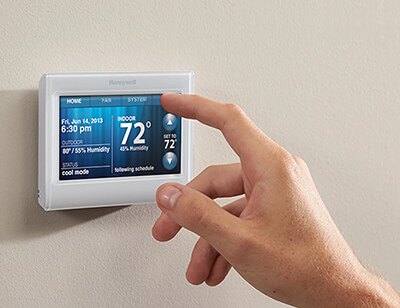
Programmable thermostats adjust the temperature automatically. They reduce cooling when you don’t need it.
| Time of Day | Recommended Temperature |
| Day (Home) | 78°F (26°C) |
| Day (Away) | 85°F (29°C) |
| Night | 80-82°F (27-28°C) |
Credit: fischerheating.com
Seasonal Adjustments
Setting your air conditioner temperature changes with the seasons. Adjusting helps save energy and stay comfortable.
Different seasons need different settings to match outdoor temperatures and humidity levels.
Summer Settings
In summer, set your air conditioner between 75°F and 78°F. This keeps your home cool without using too much energy.
Higher settings save energy but may feel warm. Lower settings cool faster but increase electricity use.
- Set between 75°F and 78°F for comfort and savings
- Use fans to help circulate cool air
- Avoid setting below 75°F to prevent high bills
Transition Seasons
Spring and fall have mild weather. Set your air conditioner higher or turn it off if you use heating.
Try 78°F to 80°F on warmer days. Use a fan or open windows when cool.
- Set 78°F to 80°F on warm days
- Turn off AC on cool days and open windows
- Use fans to stay comfortable without cooling
Health Considerations
Setting your air conditioner at the right temperature helps keep you healthy. The wrong setting can cause discomfort or health problems. It is important to understand how temperature affects your body and air quality.
In this section, we focus on avoiding overcooling and improving air quality and ventilation. These factors play a key role in maintaining a safe indoor environment.
Avoiding Overcooling
Too much cooling can cause dry skin, sore throats, and respiratory issues. It can also increase the risk of colds and flu. Setting your air conditioner too low stresses your body.
- Keep the temperature between 75°F and 78°F for comfort.
- Use a fan to circulate air and reduce the need for very low temperatures.
- Wear light clothing indoors to stay comfortable without overcooling.
- Avoid sudden temperature changes when moving between indoors and outdoors.
Air Quality And Ventilation
Good air quality and ventilation prevent health problems like allergies and asthma. Air conditioners can dry out the air or trap pollutants inside your home.
| Tip | Benefit |
| Open windows periodically | Fresh air reduces indoor pollution |
| Use air filters | Traps dust and allergens |
| Keep humidity between 30% and 50% | Prevents mold and bacteria growth |
| Clean AC vents regularly | Improves airflow and reduces germs |

Credit: www.healthkart.com
Common Mistakes To Avoid
Setting your air conditioner at the right temperature can save energy and keep you comfortable. Many people make mistakes that reduce efficiency and increase costs.
Understanding what not to do helps your air conditioner work better. Avoid these common errors to get the most from your cooling system.
Setting Too Low
Setting your air conditioner too low wastes energy and strains the system. It does not cool the room faster but can raise your electricity bill.
- Do not set the temperature below 72°F (22°C) for cooling.
- A lower setting makes the AC run longer and use more power.
- It can cause uneven cooling and discomfort in some areas.
- Wear light clothing and use fans to feel cooler without lowering the AC.
- Use a programmable thermostat to keep a steady, efficient temperature.
Ignoring Maintenance
Skipping regular maintenance reduces your air conditioner’s efficiency and lifespan. Dirt and dust block airflow and damage parts.
| Maintenance Task | Frequency | Why It Matters |
| Change air filters | Every 1-3 months | Keeps air clean and improves airflow |
| Clean coils | Annually | Prevents overheating and increases efficiency |
| Check refrigerant level | Yearly | Ensures proper cooling performance |
| Clear drain lines | Every 6 months | Prevents water damage and mold growth |
Credit: gulfshorecooling.com
Frequently Asked Questions
What Is The Ideal Temperature For Air Conditioners?
The ideal AC temperature is 78°F (25. 5°C) during summer. It balances comfort and energy efficiency, reducing electricity bills effectively.
How Does Temperature Setting Affect Energy Bills?
Higher AC temperatures reduce energy consumption. Setting your AC around 78°F minimizes electricity use and lowers monthly bills without sacrificing comfort.
Should Air Conditioners Be Set Lower At Night?
No, keep AC at 78°F or higher at night. Use fans to enhance comfort while saving energy and reducing costs.
Can Setting Ac Too Low Harm The System?
Yes, setting AC too low strains the unit. It increases wear, energy use, and risks early breakdowns, raising repair costs.
Conclusion
Setting your air conditioner correctly saves energy and money. Aim for comfort. Typically, 78°F is recommended for summer days. It balances cooling and cost. Adjust based on your needs. Nights might be cooler, so consider a higher setting. Fans help circulate air, enhancing comfort.
Regular maintenance ensures efficiency. Clean filters and check systems often. An efficient unit lasts longer, performing better. Stay informed about weather changes. It helps in adjusting settings wisely. Proper settings improve comfort and reduce bills. Keep experimenting to find your ideal temperature.
Stay cool and enjoy your summer efficiently.