Are you wondering what temperature your air conditioner should be set at to stay comfortable without wasting energy? Finding the perfect balance can save you money and keep your home feeling just right.
You’ll discover simple tips to set your AC efficiently, avoid common mistakes, and enjoy a cool, cozy space all summer long. Keep reading to learn how a small change in temperature can make a big difference for your comfort and your wallet.
Factors Influencing Ideal Temperature
Climate and Seasonal Changesaffect the best air conditioner setting. Hotter months need cooler settings to stay comfortable. Cooler seasons may allow higher temperatures to save energy. Adjust settings as weather shifts to keep rooms cozy.
Personal Comfort Preferencesplay a big role. Some people like it cooler or warmer than others. Find a temperature that feels nice but does not waste energy. Small changes can make a room feel very different.
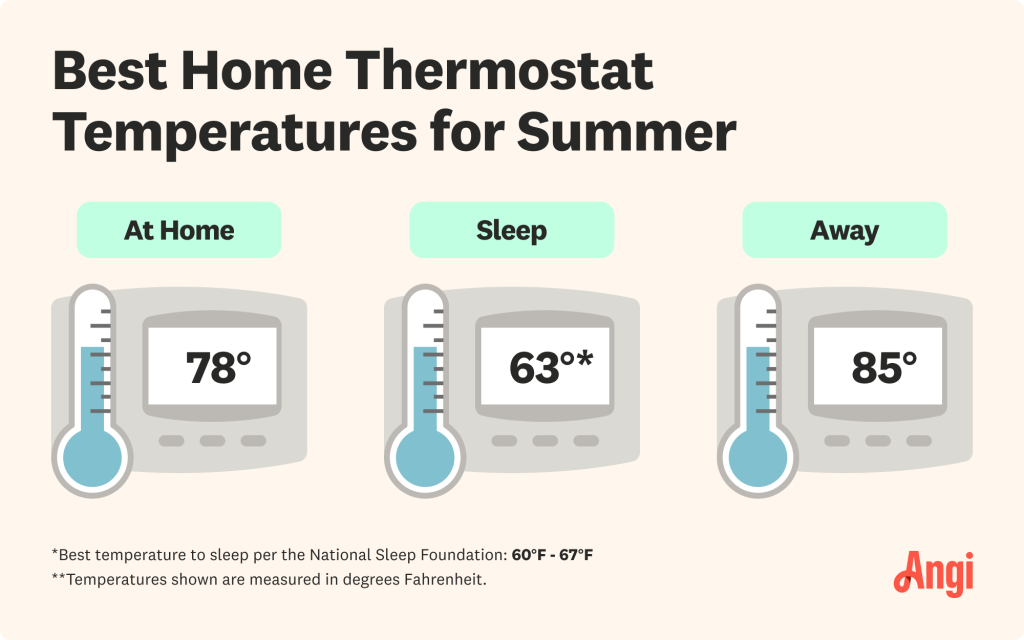
Energy Efficiency Considerationshelp reduce bills and protect the planet. Setting the AC too cold uses more power. Using around 78°F (25-26°C)when home and higher when away is smart. Fans can also help spread cool air without extra cost.
Credit: fischerheating.com
Recommended Temperature Settings
Setting your air conditioner to 78°F (26°C)during summer saves energy and keeps you cool. This is the optimal temperaturefor comfort and efficiency.
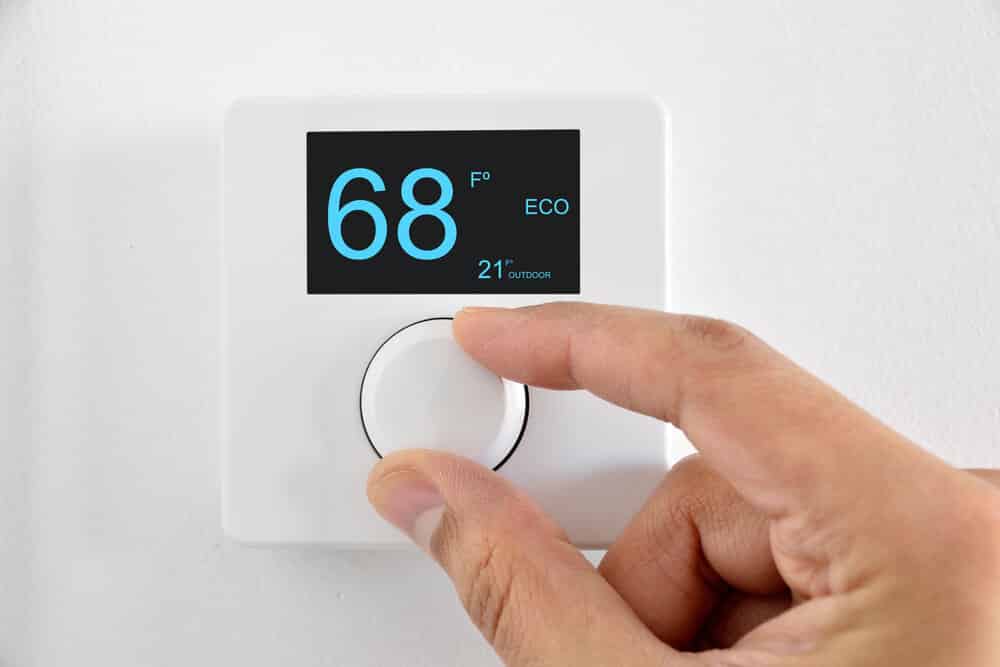
In winter, set your thermostat higher, around 68°F (20°C), to keep rooms warm without wasting power. Adjustments help balance comfort and bills.
Daytime settings should be cooler for activity and comfort. At night, raise the temperature by 4-6 degreesto save energy while you sleep.
- Summer Day:78°F (26°C)
- Summer Night:82-84°F (28-29°C)
- Winter Day:68°F (20°C)
- Winter Night:62-64°F (17-18°C)
Energy Saving Tips
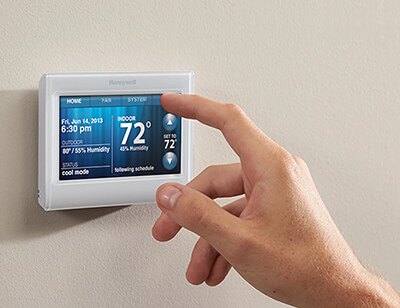
Programmable thermostatshelp save energy by setting different temperatures for day and night. They adjust your air conditioner automatically, so you don’t have to remember. Setting the temperature higher when no one is home reduces energy use. This saves money and keeps your home cool when you return.
Zoning systemsdivide your home into areas with separate temperature controls. You can cool only the rooms you use. This avoids wasting energy on empty spaces. Smart home systemslearn your schedule and adjust settings for comfort and savings. They can be controlled from your phone, making it easy to manage your air conditioner.
Regular maintenancekeeps your air conditioner running well. Change filters every 1-3 months to improve airflow. Clean the coils and check for leaks to increase efficiency. Well-maintained systems use less energy and last longer, saving money on repairs and electricity bills.
Credit: gulfshorecooling.com
Balancing Comfort And Costs
Setting your air conditioner too low can raise your energy bills. Cooler settings use more power to keep your home cold. A temperature between 75°F and 78°Fbalances comfort and savings. Every degree lower adds about 3-5% more energy use.
Using a programmable thermostat helps you save money. It adjusts temperature when you are away or asleep. This way, you don’t cool an empty house.
| Temperature Setting (°F) | Energy Use Impact | Comfort Level |
|---|---|---|
| 72 or below | High energy use | Very cool, may be too cold |
| 75 – 78 | Moderate energy use | Comfortable for most people |
| 79 or above | Lower energy use | Warmer, less cool |
Finding your ideal comfort zone means trying different temperatures. Start at 78°F and adjust by one degree. Notice how it feels and how your bills change. Small changes can make a big differencein cost and comfort.
Impact On Health And Wellbeing
Extreme temperatures can cause serious health issues. Too cold air can lead to respiratory problemsand dry skin. Too hot air may cause heat exhaustionand dehydration. Keeping your air conditioner at a balanced temperature helps avoid these risks.
Proper air quality and humidity are important for comfort and health. High humidity can cause mold growth and make the air feel stuffy. Low humidity may dry out your throat and skin. Use a humidifier or dehumidifier if needed to maintain levels between 30% and 50%.
| Factor | Ideal Range | Impact |
|---|---|---|
| Temperature | 72°F to 78°F (22°C to 26°C) | Comfortable and safe for most people |
| Humidity | 30% to 50% | Prevents mold and dryness |
| Air Quality | Clean and filtered | Reduces allergies and breathing issues |

Credit: www.reddit.com
Frequently Asked Questions
What Is The Ideal Air Conditioner Temperature Setting?
The ideal air conditioner temperature is generally 78°F (25-26°C) when you are home. It balances comfort and energy efficiency, reducing electricity bills while keeping your space cool.
How Does Temperature Setting Affect Energy Bills?
Setting your air conditioner too low increases energy use and costs. Higher temperatures save energy by reducing compressor work, lowering your monthly electricity bills significantly.
Should I Change Ac Temperature When Away?
Yes, raise the temperature to around 85°F (29°C) when away. This reduces cooling demand and energy consumption without risking indoor heat damage.
Can Air Conditioner Settings Impact Indoor Air Quality?
Yes, proper temperature settings help maintain good airflow and humidity. This prevents mold and allergens, improving overall indoor air quality and comfort.
Conclusion
Setting your air conditioner at the right temperature saves energy and money. Aim for a balance between comfort and efficiency. Around 78 degrees Fahrenheit works well in summer. Adjust a bit if you feel too hot or cold. Keep your home cool without wasting power.
Small changes make a big difference. Remember, a well-set AC keeps you comfortable and lowers bills. Try these tips and feel the difference today.