Are you wondering what temperature to set your air conditioner for the perfect balance of comfort and savings? Setting your AC too low can spike your energy bills, while setting it too high might leave you feeling sticky and uncomfortable.
Finding the right temperature isn’t just about staying cool—it’s about making your home a place where you can relax and save money at the same time. Keep reading to discover the ideal temperature that keeps you comfortable, cuts costs, and helps your air conditioner run efficiently all summer long.
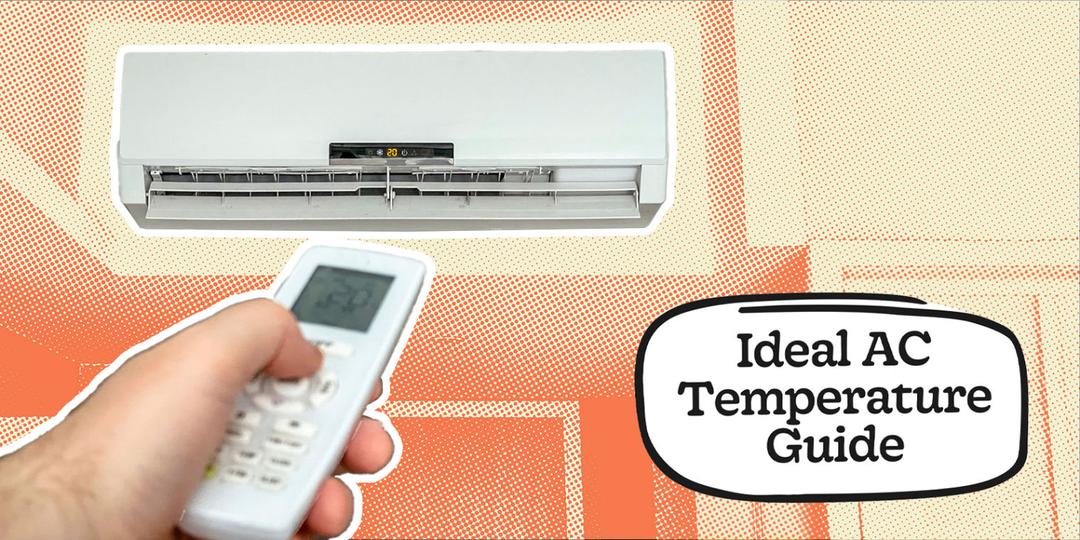
Ideal Ac Temperature
Setting the right temperature for your air conditioner helps keep your home comfortable. It also saves energy and lowers electricity bills.
Choosing the ideal temperature depends on balancing comfort and efficiency. This guide explains how to find the best setting.
Comfort Vs Efficiency
Lower temperatures feel more comfortable but use more energy. Higher temperatures save energy but may feel warmer.
Finding a balance means picking a temperature that feels good and does not waste electricity. This helps keep costs down.
- Cooler settings increase energy use
- Warmer settings reduce energy use
- Comfort depends on personal preference
- Efficiency saves money and energy
Recommended Temperature Ranges
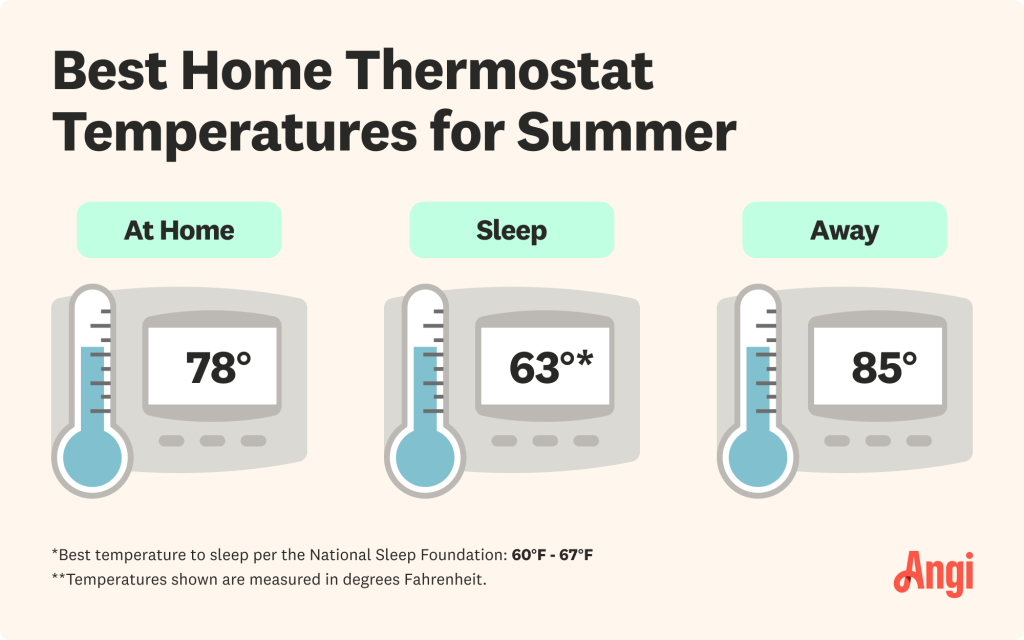
The U.S. Department of Energy suggests setting your AC to 78°F when you are home. This keeps you cool and saves power.
When you are away, raise the temperature to 85°F or turn off the AC to save more energy. At night, you can set it a bit higher.
- At home: 75°F to 78°F
- When away: 82°F to 85°F
- At night: 78°F to 80°F
Credit: gulfshorecooling.com
Factors Affecting Ac Settings
The temperature setting of your air conditioner is important for comfort and efficiency. Various factors influence what setting is best for you.
Understanding these factors can help you optimize your AC settings to save energy and maintain comfort in your space.
Outdoor Climate Impact
The climate outside affects how you set your AC. Hotter climates may require cooler settings inside to maintain comfort.
| Outdoor Temperature | Suggested AC Setting |
| Above 90°F | 72°F – 75°F |
| 80°F – 90°F | 75°F – 78°F |
| 70°F – 80°F | 78°F – 80°F |
Room Size And Insulation
Larger rooms and spaces with poor insulation need different settings. Proper insulation helps maintain the desired temperature.
- Large rooms may need a lower AC setting
- Well-insulated spaces hold temperature better
- Consider using fans in large areas
Number Of Occupants
More people in a room generate more heat. This can require adjusting the AC to keep everyone comfortable.
Energy Savings Tips
Setting your air conditioner to the right temperature can save energy and lower bills. Using smart habits helps keep your home cool without wasting power.
Simple changes to your thermostat and regular care of your AC unit make a big difference. Learn easy tips to stay comfortable and save money.
Optimal Thermostat Settings
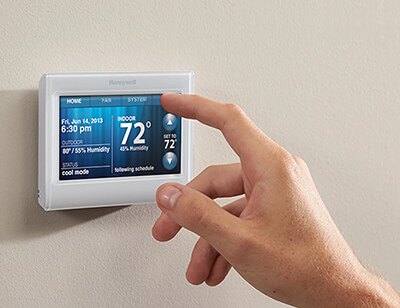
Keep your thermostat set around 78°F (26°C) when you are home. This temperature balances comfort and energy use well.
Raise the temperature by 7-10 degrees when you leave. This reduces energy use without making your home too hot.
- Set thermostat to 78°F when home
- Increase to 85°F when away
- Use fans to help cool rooms
- Close blinds to block heat
Using Programmable Thermostats
Programmable thermostats adjust temperatures automatically. You can set schedules to save energy without thinking about it.
Program your thermostat for cooler temperatures only when needed. This stops the AC from running all day or night.
- Set cooler temps during mornings and evenings
- Raise temps during work or school hours
- Use vacation mode for long absences
- Check settings monthly and adjust if needed
Maintaining Your Air Conditioner
Clean or replace air filters every 1-3 months. Dirty filters make your AC work harder and use more energy.
Keep outdoor units free of leaves and debris. Good airflow helps your AC cool efficiently.
- Clean or replace filters regularly
- Remove dirt around outdoor unit
- Check for leaks in ducts
- Schedule professional tune-ups yearly

Credit: www.reddit.com
Health Considerations
Setting the right temperature on your air conditioner affects your health. Too cold or too warm air can cause discomfort and health problems.
This guide covers key points on avoiding overcooling, controlling humidity, and improving air quality for better health.
Avoiding Overcooling
Keeping your air conditioner too cold can cause dry skin and respiratory issues. It also strains your body as it adjusts to big temperature changes.
- Set the temperature between 24°C and 26°C (75°F to 78°F).
- Avoid sudden temperature drops when entering the room.
- Use a fan to circulate air instead of lowering the temperature too much.
Humidity Control
Humidity levels affect how comfortable and healthy the air feels. Too much moisture causes mold and dust mites. Too little dries your skin and throat.
| Humidity Level | Effect |
| Below 30% | Dry skin, irritated throat |
| 30% to 50% | Comfortable and healthy range |
| Above 50% | Mold growth, dust mites |
Air Quality And Ventilation
Good air quality helps prevent allergies and respiratory problems. Proper ventilation removes stale air and brings in fresh air.
- Open windows for fresh air when possible.
- Use air filters and change them regularly.
- Keep air vents clean and unobstructed.
Seasonal Adjustments
Setting your air conditioner to the right temperature helps save energy. It also keeps your home comfortable all year.
Adjusting the temperature based on the season can improve your AC’s efficiency and lower bills.
Summer Settings
In summer, keep your air conditioner at 78°F (25.5°C) when you are home. This temperature balances comfort and energy savings.
If you are away, set the temperature higher, around 85°F (29.5°C), to save more energy.
- 78°F (25.5°C) when home
- 85°F (29.5°C) when away
- Use fans to help cool rooms
Transition Months Settings
During spring and fall, the weather changes often. Set your AC between 74°F and 78°F (23°C to 25.5°C) for comfort.
If it gets cooler, try turning the AC off and using natural ventilation instead.
- 74°F to 78°F (23°C to 25.5°C) for mild days
- Turn off AC when cool outside
- Use windows and fans for airflow
Credit: heatable.co.uk
Smart Technology Benefits
Setting the right temperature for your air conditioner saves energy and keeps you comfortable. Smart technology helps you control your AC easily and wisely.
Smart devices learn your habits and adjust temperatures to match your needs. They make managing your home’s climate simple and efficient.
Smart Thermostats
Smart thermostats connect to your home’s Wi-Fi and learn your daily routine. They adjust the air conditioner to the best temperature automatically.
These devices reduce energy use by lowering cooling when you are away. They keep your home cool when you return without wasting power.
- Automatically changes temperature based on your schedule
- Monitors energy use and suggests savings
- Works with other smart home devices
Remote Temperature Control
Remote control lets you adjust your air conditioner from anywhere. Use your phone or tablet to change the temperature before you get home.
This feature saves energy by cooling only when needed. It also helps you stay comfortable without waiting for the room to cool down.
- Control AC settings from your smartphone
- Turn off AC if you forget at home
- Set schedules for cooling based on your lifestyle
Frequently Asked Questions
What Is The Ideal Air Conditioner Temperature Setting?
The ideal AC temperature is around 78°F (25-26°C) for energy efficiency and comfort. It balances cooling and power use effectively.
How Does Temperature Affect Ac Energy Consumption?
Lower temperatures increase energy use as the AC works harder. Setting a moderate temperature saves electricity and reduces bills.
Should I Change Ac Temperature When Not Home?
Yes, raise the temperature 5-8 degrees when away to save energy. This prevents unnecessary cooling and lowers costs.
Can A Higher Ac Setting Improve Indoor Air Quality?
Higher settings reduce humidity and prevent mold growth. Proper temperature control promotes healthier indoor air and comfort.
Conclusion
Setting your air conditioner to the right temperature saves energy and money. Aim for a balance between comfort and efficiency. Around 75°F works well for most homes. Adjust slightly based on your needs and outdoor heat. Remember, keeping doors and windows closed helps cool air stay inside.
Regular maintenance keeps your AC running smoothly. Small changes make a big difference. Stay cool without wasting power. Your comfort matters, so choose the best temperature for you.