Are you confused about what temperature to set your air conditioner? You’re not alone.
Setting it too low can waste energy and drive up your bills, while setting it too high might leave you uncomfortable. Finding the perfect temperature can save you money, keep you cool, and even help the environment. You’ll discover exactly how to choose the right setting for your AC—so you can enjoy cool comfort without the stress.
Keep reading to unlock simple tips that will make a big difference in your home and your wallet.
Ideal Ac Temperature Settings
The ideal AC temperaturekeeps you cool without wasting energy. Most experts suggest setting your AC between 72°F and 78°F. This range balances comfort and efficiency. Setting it too low uses more electricity and raises bills.
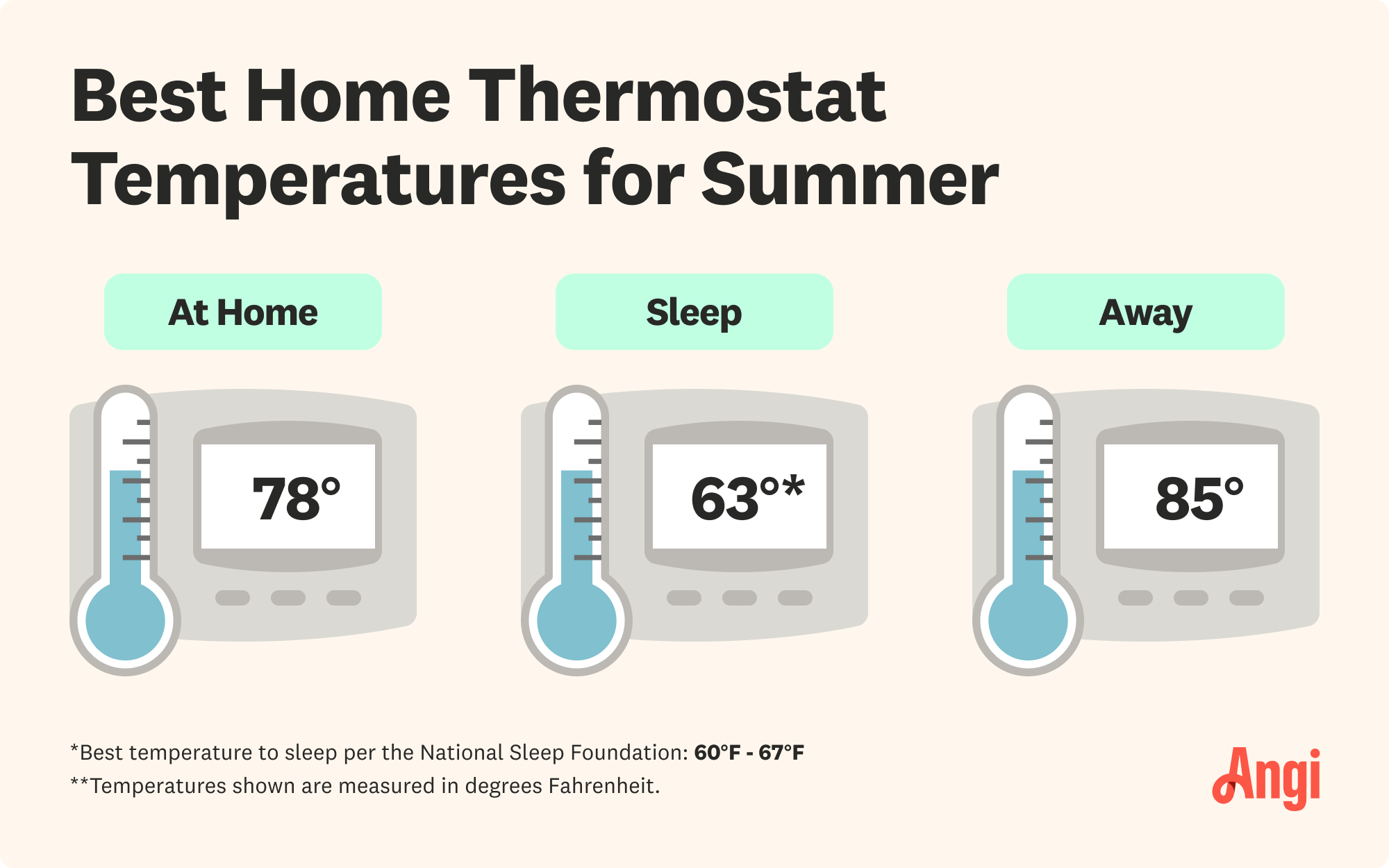
During the day, aim for about 75°F. At night, you can set it a bit higher, around 78°F, because cooler air is less needed. This saves energy while you sleep.
- Set thermostat to 75-78°F for best energy use.
- Use a fan to help air circulate better.
- Close curtains to block sunlight and reduce heat.
- Increase temperature when no one is home.
Credit: gulfshorecooling.com
Factors Influencing Temperature Choice
Outdoor weather conditionsaffect the best air conditioner temperature. Hot, sunny days may need cooler settings. Cooler weather might need warmer settings to save energy.
Room size and layoutmatter. Big rooms need lower temperatures to cool well. Small rooms cool faster, so higher settings can work. Open layouts let cool air move easily. Closed rooms trap cool air better.
Occupant preferencesvary. Some like it very cool, others prefer warmth. Age and health also affect comfort. Kids and older adults may need warmer temps. Setting the AC to a medium level suits most people.
Energy Saving Tips
Setting your air conditioner to 78°F (26°C)balances comfort and energy use. This temperature helps save electricity without feeling too warm.
Fans help spread cool air inside the room. Ceiling or portable fans use less energy than AC. Use fans to make the room feel cooler, so you can set the AC a bit higher.
Sealing windows and doors stops cool air from escaping. Good insulation keeps heat out and cool air in. This reduces how hard your AC must work, saving energy and money.
Health Considerations
Avoiding overcoolinghelps maintain a comfortable home temperature. Setting the air conditioner too low can cause cold stress. It may lead to shivering, headaches, or muscle stiffness. Keeping the temperature around 75°F (24°C) is usually ideal for health and comfort.
Humidity controlis essential for a healthy environment. Air conditioners reduce indoor humidity, which stops mold and dust mites from growing. Dry air can irritate skin and eyes, so balance is key. Use a humidifier if the air feels too dry.
Preventing respiratory issuesrequires clean and fresh air. Air conditioners can trap dust and allergens if filters are dirty. Regularly clean or replace filters to avoid breathing problems. Proper ventilation helps keep air fresh and reduces the risk of asthma or allergies.
Smart Thermostat Advantages
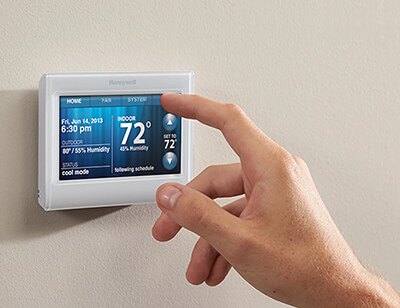
A smart thermostathelps keep your home comfortable without extra effort. It can adjust the temperature automaticallybased on your routine. This means it cools your home only when needed, saving energy and money.
You can control the thermostat from your phone or tablet. The remote access featurelets you change settings even when you are far from home. This is handy on hot days or if plans change.
| Feature | Benefit |
|---|---|
| Automated Temperature Control | Keeps home cool or warm as needed, saves energy |
| Remote Access | Control thermostat from anywhere using a device |
| Energy Monitoring | Shows how much energy is used to help reduce bills |
Seasonal Temperature Adjustments
Summer Settings:Set your air conditioner between 75°F and 78°F. This range keeps your home cool and saves energy. Use a higher temperature when no one is home. A programmable thermostat helps adjust settings automatically.
Transition Months:During spring and fall, outdoor temperatures change a lot. Set the AC around 78°For turn it off if it’s cool outside. Use fans to keep air moving and reduce AC use.
Winter Cooling Needs:Some homes need cooling in winter due to heating system heat. Keep the AC at a higher temperature, around 80°For off if not needed. This saves electricity and avoids overcooling.
Common Mistakes To Avoid
Setting the air conditioner too low wastes energy and raises bills. It also makes the room too cold, which can cause discomfort and health issues.
Ignoring maintenance leads to poor AC performance. Filters get dirty, blocking airflow. This causes the AC to work harder and cool less effectively.
Relying too much on air conditioning can reduce your body’s natural ability to adapt to heat. It is good to use fans or open windows sometimes.
Credit: www.angi.com

Credit: www.reddit.com
Frequently Asked Questions
What Is The Ideal Ac Temperature For Summer?
The ideal AC temperature for summer is typically around 24-26°C (75-78°F). This range balances comfort and energy efficiency. Setting your thermostat within this range helps maintain a cool environment without overloading your air conditioner, thus saving on energy costs and ensuring a comfortable indoor climate.
How Does Ac Temperature Affect Electricity Bills?
Lowering the AC temperature increases energy consumption and electricity bills. Each degree below 24°C (75°F) can increase energy usage by 3-5%. Keeping the thermostat at a moderate setting helps reduce costs. Energy-efficient settings not only save money but also prolong the lifespan of your air conditioner.
Is It Safe To Set Ac Below 20°c?
Setting your AC below 20°C (68°F) is not recommended. It can strain the system and increase electricity usage. Such low temperatures may not be energy-efficient and can lead to higher bills. For optimal performance and comfort, keep the temperature between 24-26°C (75-78°F).
Can Ac Temperature Affect Sleep Quality?
Yes, AC temperature can affect sleep quality. A comfortable setting, around 24°C (75°F), promotes better sleep. Extremely cold or warm environments can disrupt sleep patterns. Maintaining a moderate temperature ensures a restful night’s sleep and enhances overall well-being by keeping the room comfortable throughout the night.
Conclusion
Setting your air conditioner to the right temperature saves energy and money. Aim for a balance between comfort and efficiency. Around 78°F (25-26°C) works well for most people. It keeps your home cool without using too much power. Adjust slightly if you feel too hot or cold.
Small changes can make a big difference. Remember, keeping your AC maintained also helps it run better. Stay comfortable while being smart about energy use. Simple steps lead to a cooler home and lower bills.