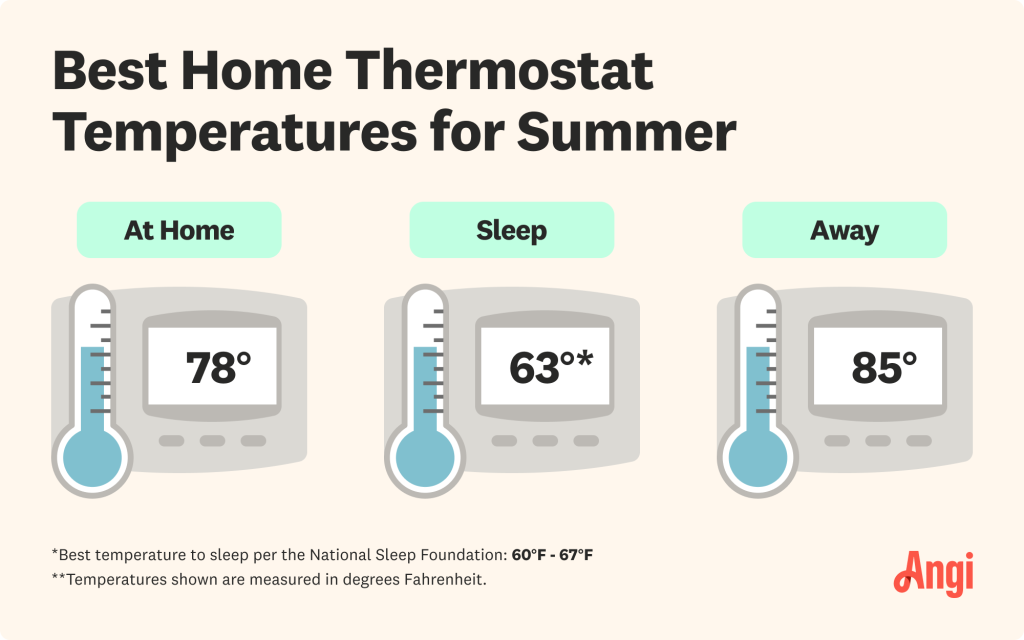
Are you unsure about the best temperature to set your air conditioner? Finding the perfect balance between comfort and energy savings can be tricky.
Set it too low, and your electricity bill soars; set it too high, and you might feel sticky and uncomfortable. This article will help you discover the ideal temperature that keeps your home cool while saving you money. Keep reading to learn simple tips that will make your air conditioning work smarter, not harder.
Your comfort and wallet will thank you.
Credit: heatable.co.uk
Ideal Temperature Settings
Setting the right temperature on your air conditioner helps you stay comfortable. It also saves energy and lowers your bills.
Choosing the best temperature depends on your needs and the room you are cooling. Seasonal changes also affect the ideal setting.
Comfort Vs. Energy Savings
Lower temperatures make rooms cooler but use more energy. Higher temperatures save energy but may feel less comfortable.
- Set the air conditioner to around 78°F (25.5°C) for a good balance.
- Use fans to improve air circulation and feel cooler.
- Raise the temperature when you are not home to save energy.
Recommended Temperatures For Different Rooms
Each room needs a slightly different temperature for comfort and efficiency. Bedrooms may need cooler air for better sleep.
| Room | Ideal Temperature (°F) | Ideal Temperature (°C) |
| Living Room | 75-78 | 24-25.5 |
| Bedroom | 72-75 | 22-24 |
| Kitchen | 78-80 | 25.5-27 |
| Office | 75-77 | 24-25 |
Adjusting Settings By Season
Temperatures should change with the season to keep your home comfortable and save energy.
- In summer, keep your AC set between 75°F and 78°F (24°C to 25.5°C).
- In spring and fall, you can raise the temperature to 78°F to 80°F (25.5°C to 27°C).
- Use a programmable thermostat to adjust settings automatically.
Factors Influencing Temperature Choice
Choosing the right temperature for your air conditioner depends on many factors. These factors help create a comfortable and healthy indoor environment.
Understanding what affects temperature choice can help you save energy and feel better inside your home or office.
Outdoor Climate Impact
The weather outside plays a big role in setting your air conditioner’s temperature. Hotter days may require cooler indoor settings to stay comfortable.
- High temperatures increase the need for cooling
- Cold weather lowers the need for strong cooling
- Wind and sunlight affect indoor temperature
- Season changes may call for adjusting the air conditioner
Humidity Levels
Humidity affects how warm or cool a room feels. High humidity makes the air feel warmer, so you may want a lower temperature.
| Humidity Level | Recommended Temperature |
| Low (below 30%) | 24–26°C (75–79°F) |
| Moderate (30%–60%) | 22–24°C (72–75°F) |
| High (above 60%) | 20–22°C (68–72°F) |
Occupant Activity And Preferences
People’s activities and comfort needs affect the ideal temperature. More active rooms may need cooler settings to prevent overheating.
- Number of people in the room
- Type of activity (resting, working, exercising)
- Personal comfort preferences
- Clothing worn inside
Energy Efficiency Tips
Setting your air conditioner to the right temperature saves energy and money. It also keeps your home comfortable during hot days.
Using smart tools and regular care helps your AC work better. This reduces power use and extends the unit’s life.
Using Programmable Thermostats
Programmable thermostats let you set different temperatures for different times. This stops cooling an empty house.
Set the thermostat higher when you are away. Lower it before you come back. This saves energy without losing comfort.
- Set higher temperatures during work hours
- Cool the house before you return home
- Use the timer to avoid running AC all day
Maintaining Your Air Conditioner
Regular maintenance keeps your AC running well. Clean filters and check parts often to avoid energy waste.
Dirty filters block airflow. This forces the AC to work harder, using more electricity and raising bills.
- Replace or clean filters every 1-3 months
- Clear debris from outside unit
- Schedule yearly professional checkups
Smart Temperature Scheduling
Smart scheduling adjusts your AC based on daily routines. It keeps your home cool only when needed.
Use apps or smart home devices to set temperature changes automatically. This reduces energy use and keeps comfort.
- Set warmer temps during sleep or absence
- Cool rooms before use or arrival
- Use sensors to detect room occupancy
Health Considerations
Setting the right temperature on your air conditioner helps protect your health. It keeps you comfortable and avoids health problems.
Choosing a good temperature balances cooling and well-being. This guide explains key health factors to consider.
Avoiding Overcooling
Keeping your air conditioner too cold can harm your body. Overcooling causes headaches, muscle pain, and chills.
Set your AC to a moderate temperature to avoid these issues. Around 75°F (24°C) is a safe choice for most people.
- Prevents discomfort and muscle stiffness
- Reduces risk of cold-related illnesses
- Keeps energy use balanced
Preventing Respiratory Issues
Cold air can dry your nose and throat. This dryness can cause irritation and increase infection risks.
Set your air conditioner to a temperature that avoids extreme cold. Use a humidifier if the air feels too dry.
- Helps keep your airways moist
- Reduces chances of colds and flu
- Supports better breathing
Temperature And Sleep Quality
Temperature affects how well you sleep. Too cold or too warm rooms can disturb your rest.
Set your air conditioner to about 70-72°F (21-22°C) for better sleep. This range helps your body relax and stay comfortable.
- Improves deep sleep stages
- Reduces night sweats and chills
- Helps you wake feeling refreshed
Special Settings For Different Scenarios
Setting your air conditioner at the right temperature saves energy and keeps you comfortable. Different situations call for different settings.
Adjusting your AC based on your activities helps you stay cool without wasting power.
When You’re Away
When no one is home, you can set the AC higher to save energy. This stops the system from working too hard while keeping your house safe from extreme heat.
Try setting your air conditioner to around 78°F (25.5°C) or higher when you leave. This helps cut down on electricity bills.
- Set temperature to 78°F (25.5°C) or above
- Use a programmable thermostat to adjust automatically
- Turn off AC if weather is cool or mild
Nighttime Temperature Adjustments
At night, the body cools down naturally, so you can raise the temperature a bit. This helps you sleep better and saves energy.
Most experts suggest setting the AC between 75°F and 78°F (24°C to 25.5°C) for a comfortable night’s sleep.
- Set temperature between 75°F and 78°F (24°C to 25.5°C)
- Use fans to help circulate air
- Close blinds to keep heat out
Settings For Large Gatherings
When many people are inside, the room gets warmer quickly. You need to lower the AC temperature to keep everyone cool.
Set the air conditioner to about 72°F to 74°F (22°C to 23°C) to handle the extra heat from guests.
- Lower temperature to 72°F – 74°F (22°C – 23°C)
- Ensure good airflow by opening vents
- Use fans to help cool crowded spaces

Credit: www.reddit.com
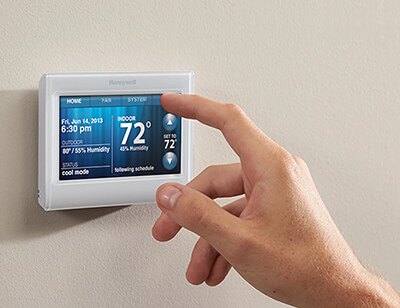
Credit: gulfshorecooling.com
Frequently Asked Questions
What Is The Best Ac Temperature For Sleeping?
The ideal AC temperature for sleeping is between 60 and 67 degrees Fahrenheit. This range supports optimal sleep conditions by aligning with your body’s natural temperature drop during sleep. Setting your AC within this range can help enhance sleep quality and comfort.
How Can I Save Energy With My Ac?
Set your AC to 78 degrees Fahrenheit when you’re at home. This is optimal for energy efficiency. Use a programmable thermostat to adjust temperatures automatically when you’re away. Regular maintenance and cleaning can also improve your air conditioner’s efficiency, saving energy and reducing costs.
What Temperature Is Too Cold For Ac?
Setting your AC below 60 degrees Fahrenheit can strain the system. Such low temperatures may cause the evaporator coil to freeze, leading to inefficient operation and potential damage. It’s best to maintain temperatures at 68 degrees Fahrenheit or above to ensure efficient and safe operation.
Why Does My Ac Not Cool Below 70 Degrees?
AC units struggle to cool below 70 degrees due to design limitations. They’re optimized for temperatures within the typical comfort range, usually above 68 degrees. Operating below this can freeze coils and reduce efficiency. If cooling issues persist, professional maintenance might be necessary.
Conclusion
Setting your air conditioner to the right temperature saves energy and money. Aim for a balance between comfort and efficiency. Around 78°F (25-26°C) works well for most people. Adjust slightly if you feel too hot or cold. Remember, closing windows and doors helps keep cool air inside.
Regular maintenance keeps your AC running smoothly. Small changes make a big difference in your electric bill. Stay comfortable without wasting power. Try these tips to enjoy a cool home all summer.