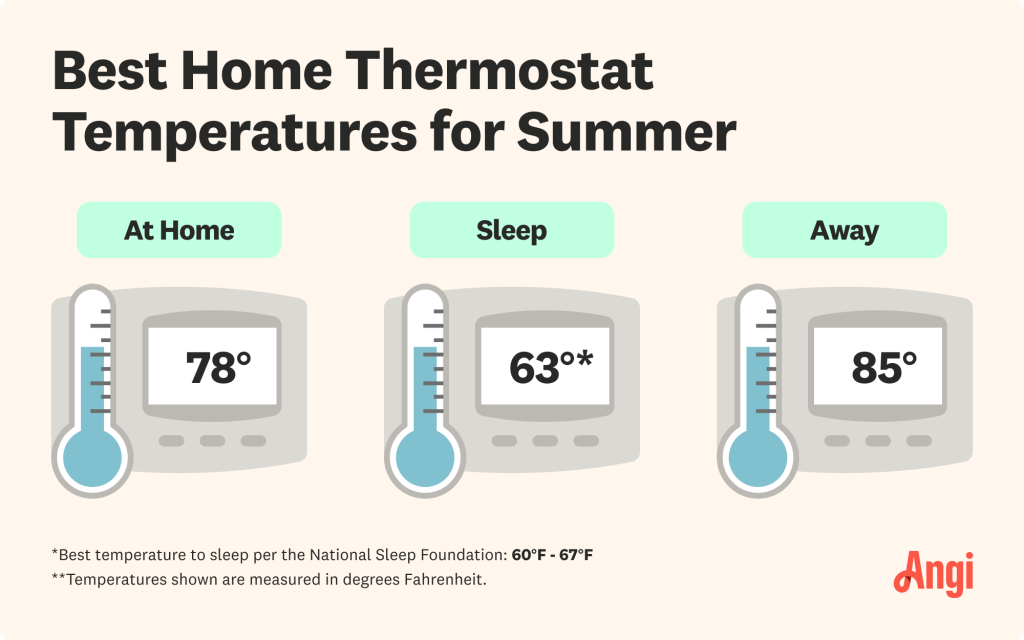
Are you unsure about the best temperature to set your air conditioner? Choosing the right setting can make a big difference in your comfort and energy bills.
Too cold, and you might feel chilly and waste money. Too warm, and you won’t get the cool relief you need. You’ll discover the ideal temperature to keep your home comfortable while saving energy. Keep reading to find out how a simple change in your AC settings can make your life easier and your wallet happier.
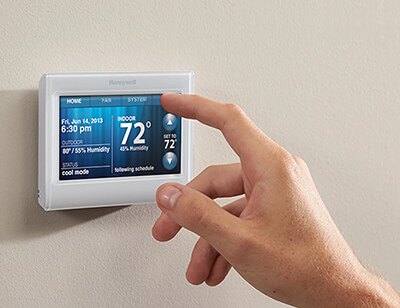
Credit: gulfshorecooling.com
Ideal Air Conditioner Temperatures
Setting the right temperature on your air conditioner helps keep your home comfortable. It also affects your energy use and costs.
Knowing the ideal temperature can make a big difference in how you feel and how much power you use.
Recommended Settings For Comfort
For most people, the best temperature for comfort is between 72 and 78 degrees Fahrenheit. This range keeps the air cool without feeling too cold.
- Set the thermostat to 75°F on hot days.
- Use a fan to help circulate air if needed.
- Close blinds to reduce heat from sunlight.
Balancing Energy Efficiency
Lower temperatures use more energy and increase your bills. Higher settings save energy but may feel warm.
| Temperature Setting | Energy Use | Comfort Level |
| 72°F | High | Very Cool |
| 75°F | Moderate | Comfortable |
| 78°F | Low | Warm but Acceptable |
Adjusting For Different Room Sizes
Room size changes how your air conditioner cools the space. Small rooms cool faster, large rooms need more time or lower settings.
Use this guide to set temperatures by room size:
- Small rooms (under 150 sq ft):76-78°F
- Medium rooms (150-300 sq ft):74-76°F
- Large rooms (over 300 sq ft):72-74°F
Credit: heatable.co.uk
Factors Affecting Temperature Choice
Choosing the right temperature for your air conditioner depends on many factors. These factors help you stay comfortable and save energy.
Understanding these factors will help you set the best cooling temperature for your home.
Outdoor Weather Conditions
The outside temperature affects how cool your air conditioner needs to be. On very hot days, you may want a lower indoor temperature to feel comfortable.
Wind and sun exposure also play a role. If your home gets a lot of sunlight, it might feel warmer inside.
Humidity Levels
Humidity changes how cool the air feels. High humidity makes the air feel warmer than it is. Your AC may need to work harder to remove moisture.
- High humidity: Set a lower temperature to feel cooler.
- Low humidity: You can set a higher temperature and still feel comfortable.
- Use a dehumidifier if needed to reduce moisture.
Occupant Preferences
People feel comfortable at different temperatures. Age, health, and activity level affect this. Some like it cooler, others prefer warmer air.
| Person | Preferred Temperature (°F) |
| Children | 72 – 75 |
| Adults | 74 – 78 |
| Elderly | 76 – 80 |
Energy Savings Tips
Setting the right temperature on your air conditioner saves energy. It keeps your home cool without high bills.
Small changes in how you use your AC can make a big difference in energy use.
Using Programmable Thermostats
Programmable thermostats help control your AC efficiently. You can set different temperatures for day and night.
- Set the temperature higher when you are away.
- Lower the temperature before you return home.
- Use a schedule that fits your daily routine.
- Avoid setting very low temperatures to cool faster.
Optimizing Fan Settings
Fans help spread cool air and reduce energy use. You can adjust fan settings for better comfort.
| Fan Setting | When to Use | Energy Impact |
| Auto | Fan runs only when AC cools | Uses less energy |
| On | Fan runs all the time | Uses more energy |
Regular Maintenance Impact
Keeping your AC clean and maintained saves energy. Dirty filters and parts make your AC work harder.
Maintenance tips include:
- Replace or clean air filters every 1-3 months.
- Check for leaks in ducts and seals.
- Schedule yearly professional AC checkups.
- Keep outdoor unit clear of debris.
Temperature Settings For Different Seasons
Setting your air conditioner to the right temperature saves energy and keeps you comfortable.
Different seasons need different temperature settings for the best results.
Summer Cooling Strategies
In summer, keep your home cool but avoid using too much energy.
- Set your air conditioner to 78°F when you are home.
- Raise the temperature when you leave to save power.
- Use fans to help circulate air and feel cooler.
- Close blinds to block out heat from sunlight.
Spring And Fall Adjustments
Spring and fall have mild temperatures, so adjust your AC accordingly.
| Season | Recommended Temperature | Notes |
| Spring | 72-75°F | Keep cool but avoid overuse |
| Fall | 72-75°F | Use less cooling, consider natural ventilation |
Winter Considerations For Heat Pumps
Heat pumps work differently in winter and need special temperature settings.
Set your heat pump to around 68°F to keep warm without using too much energy.
- Use a programmable thermostat to lower temperatures when not home.
- Keep vents and filters clean for better efficiency.
- Consider supplemental heating if temperatures drop very low.
Health And Safety Considerations
Setting the right temperature on your air conditioner is important for your health. It helps keep you comfortable and safe. Too cold or too warm can cause problems.
This guide explains how to avoid overcooling, prevent allergens and mold, and protect vulnerable people.
Avoiding Overcooling
Air conditioners should not be set too cold. Overcooling can cause chills and dry skin. It may also increase energy bills.
- Keep temperature between 75°F and 78°F (24°C to 26°C).
- Avoid sudden temperature changes indoors.
- Use fans to help circulate cool air evenly.
- Close blinds to reduce heat from sunlight.
Preventing Allergens And Mold
Air conditioners can trap dust and moisture. This can lead to allergens and mold. Mold can cause breathing problems and allergies.
| Tip | How It Helps |
| Change filters every 1-3 months | Removes dust and pollen from air |
| Keep humidity below 60% | Prevents mold growth |
| Clean air vents regularly | Stops dust buildup |
| Use a dehumidifier if needed | Reduces moisture in the air |
Protecting Vulnerable Individuals
Children, elderly people, and those with health issues need careful temperature control. Too cold or too warm can worsen their conditions.
- Set air conditioner around 78°F (26°C) in summer.
- Avoid direct cold air blowing on them.
- Use light blankets instead of lowering temperature.
- Check on them often for comfort and health signs.
Smart Thermostats And Automation
Smart thermostats make controlling your air conditioner easier. They learn your habits and adjust temperatures automatically.
Automation helps keep your home comfortable while saving energy. You can manage settings from anywhere using your phone.
Benefits Of Smart Controls
Smart controls help you keep the right temperature without manual changes. They improve comfort and lower energy bills.
- Automatically adjusts temperature based on your routines
- Reduces energy waste when you are away
- Provides detailed energy usage reports
- Works with other smart home devices
Learning Your Preferences
Smart thermostats observe when you like it cooler or warmer. They remember these choices to set temperatures for you.
| Time of Day | Preferred Temperature |
|---|---|
| Morning | 72°F (22°C) |
| Afternoon | 75°F (24°C) |
| Evening | 70°F (21°C) |
| Night | 68°F (20°C) |
Remote Access And Scheduling
You can control your air conditioner from your phone. Set schedules or change settings no matter where you are.
- Turn AC on before you get home
- Set different temperatures for weekdays and weekends
- Receive alerts if temperatures change unexpectedly
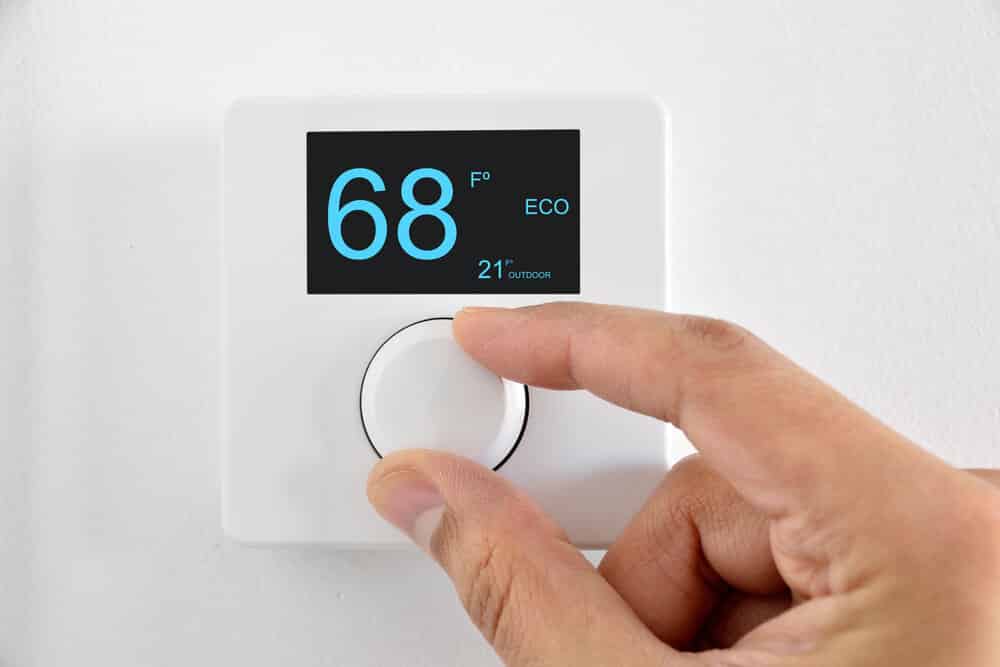
Credit: fischerheating.com
Frequently Asked Questions
What Is The Ideal Ac Temperature For Comfort?
The ideal AC temperature is around 78°F (25. 5°C). It balances comfort and energy savings. This setting keeps your home cool without overworking the unit.
How Does Temperature Affect Ac Energy Consumption?
Lowering AC temperature increases energy use significantly. Each degree below 78°F raises electricity bills by about 6-8%. Setting a moderate temperature saves money and reduces environmental impact.
Can Setting Ac Too Low Cause Issues?
Yes, setting AC too low strains the system. It can cause freezing coils and higher wear. Maintaining a reasonable temperature extends your AC’s lifespan and improves efficiency.
Should Ac Temperature Change When No One Is Home?
Yes, raising the temperature to 85°F (29°C) when away saves energy. The AC uses less power but prevents extreme indoor heat. Adjusting settings based on occupancy optimizes comfort and costs.
Conclusion
Choosing the right temperature for your air conditioner is crucial. It impacts comfort and energy bills. Set your thermostat between 72-78°F for optimal results. Adjust based on personal preference and weather. Remember, small changes can make a big difference. Save energy by adjusting settings when away.
Use fans to circulate cool air. Keep windows and doors closed to maintain coolness. Regular maintenance ensures efficiency. A well-set air conditioner enhances comfort and saves money. Stay cool and comfortable all summer long.