Planning to leave your air conditioner on while you’re away? You might be wondering what temperature setting will save you money without risking damage to your home.
Setting your AC too low wastes energy and drives up bills, while too high a temperature can cause humidity problems or even harm your belongings. You’ll discover the perfect temperature to leave your air conditioner on vacation—so you can relax knowing your home stays safe and your energy costs stay low.
Keep reading to find the simple answer that makes a big difference.
Ideal Temperature Settings
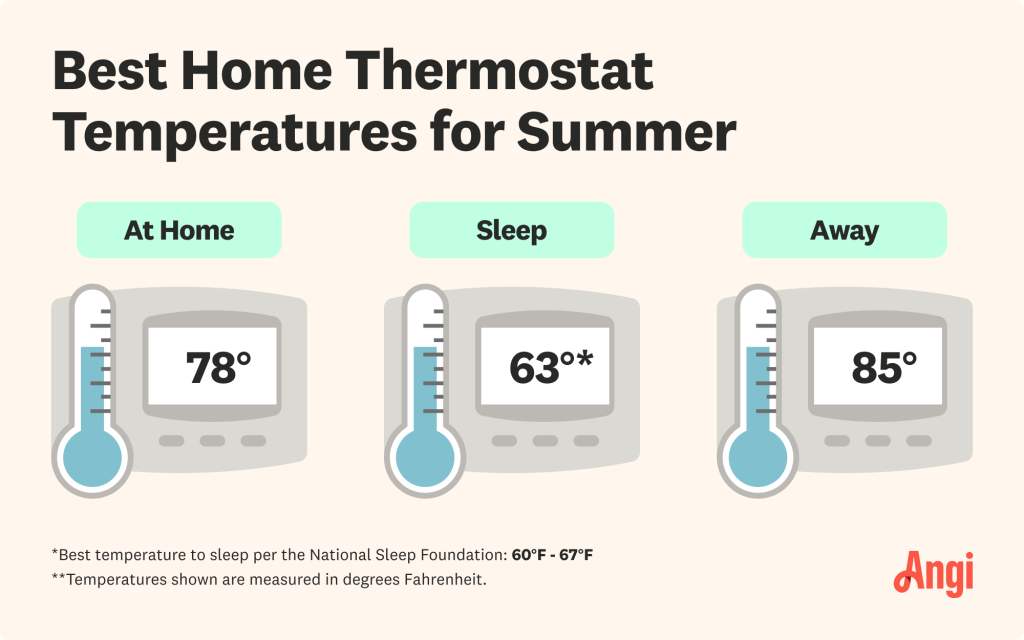
Setting the air conditioner to a thermostat range of 78°F to 85°Fis ideal for vacation. This range keeps the home cool enough to prevent moisture and mold. It also saves energy and lowers electricity bills.
Several factors affect the best temperature choice:
- Outdoor climate:Hotter places may need cooler settings.
- Home insulation:Well-insulated homes hold temperature better.
- Pets at home:They might need a cooler environment.
- Duration of absence:Longer trips may allow higher temperatures.
Adjusting the thermostat based on these factors ensures comfort and efficiency.

Credit: www.fullerhvac.com
Energy Saving Tips
Programmable thermostatshelp save energy by adjusting temperatures automatically. They can set your AC to a higher temperature while you’re away. This keeps your home cool enough without wasting power.
Set the thermostat to around 78°F (25-26°C)during vacation. This temperature balances comfort and energy savings. It prevents your AC from running nonstop in an empty house.
Using a programmable thermostat also means your AC can cool down your home before you return. This saves energy and keeps your home comfortable when you arrive.
Maximizing AC efficiencyinvolves:
- Closing blinds to block sunlight
- Sealing doors and windows to stop cool air escaping
- Cleaning or replacing air filters regularly
- Keeping fans off when not home
Impact On Home And Appliances
Setting the air conditioner to a moderate temperature helps prevent moldand excess humidity. High humidity can damage walls and cause a bad smell. Keeping the AC at around 78°F (25-26°C)is ideal for moisture control without wasting energy.
Electronics and furniture benefit from stable temperatures. Extreme heat or cold may cause damageor wear. The AC helps protect devices by maintaining a safe environment. Wood and fabric furniture last longer when humidity and heat stay balanced.

Credit: parrishservices.com
Alternative Cooling Options
Fans help keep air moving, making rooms feel cooler without using much energy. Ceiling fans or portable fans can be left on low speed to save power. Ventilation improves air quality by letting fresh air in and hot air out. Opening windows in cooler parts of the day helps with this.
Smart home systems allow control of your AC remotely. You can adjust temperature from anywhere using a phone app. Some systems learn your schedule and adjust settings automatically. This can save energy while keeping your home comfortable. Setting timers or vacation modes helps manage cooling efficiently.
Cost Implications
Setting your air conditioner to a higher temperature while on vacation saves energyand lowers your energy bills. A common advice is to keep the thermostat around 78°F to 85°F. This range balances saving money and protecting your home from heat damage.
Lower temperatures use more electricity, causing higher costs. Raising the temperature a few degrees reduces the air conditioner’s runtime. This leads to significant savingson your monthly bill.
Maintaining a moderate temperature also helps with long-term AC health. Extreme temperature changes force your unit to work harder. This can cause wear and tearand increase repair costs.
Keeping your AC at a steady temperature prevents mold growthand keeps your home fresh. It also extends the lifeof the system by avoiding frequent stops and starts.

Credit: www.goodhousekeeping.com
Frequently Asked Questions
What Temperature Should I Set My Ac On Vacation?
Set your air conditioner to 78 degrees Fahrenheit when on vacation. This temperature helps save energy while protecting your home. It prevents humidity and mold buildup, ensuring a comfortable environment upon your return. Adjusting the thermostat will also help reduce electricity costs during your absence.
Does Turning Off Ac Save Money On Vacation?
Turning off the AC might not save much money. It can cause temperature fluctuations, leading to costly repairs. Instead, setting it to 78 degrees Fahrenheit maintains a stable environment. This setting reduces energy use and prevents potential damage, offering a balance between cost-saving and home protection.
Can I Use A Smart Thermostat For Vacation Settings?
Yes, a smart thermostat is ideal for vacation settings. It allows remote control of your home’s temperature. You can adjust settings based on weather changes, ensuring optimal energy efficiency. This flexibility helps maintain comfort and saves on electricity bills, even when you’re away from home.
Why Is Humidity Control Important During Vacation?
Humidity control is crucial to prevent mold and mildew growth. High humidity can damage furniture and electronics. Setting your AC to a moderate temperature, like 78 degrees, helps regulate humidity levels. This practice ensures your home remains in good condition while you’re on vacation.
Conclusion
Setting your air conditioner to the right temperature saves energy and money. Keep it cool enough to protect your home and plants. Avoid turning it off completely to stop humidity and mold. Around 78°F works well for most vacations. This balance keeps your house safe and your bills low.
Small changes make a big difference. Enjoy your trip knowing your home stays comfortable and cared for. Simple steps lead to smart savings and peace of mind.