Leaving your home empty while you’re away can raise a big question: what temperature should you set your air conditioner to? You want to save money on energy bills, but you also don’t want to come back to a sweltering house or risk damaging your belongings.
Finding the perfect balance can feel tricky, but it’s easier than you think. You’ll discover the ideal AC settings to keep your home safe, comfortable, and energy-efficient while you enjoy your vacation. Keep reading—you’ll thank yourself later!
Credit: aircontrolheatingandcooling.com
Ideal Vacation Thermostat Settings
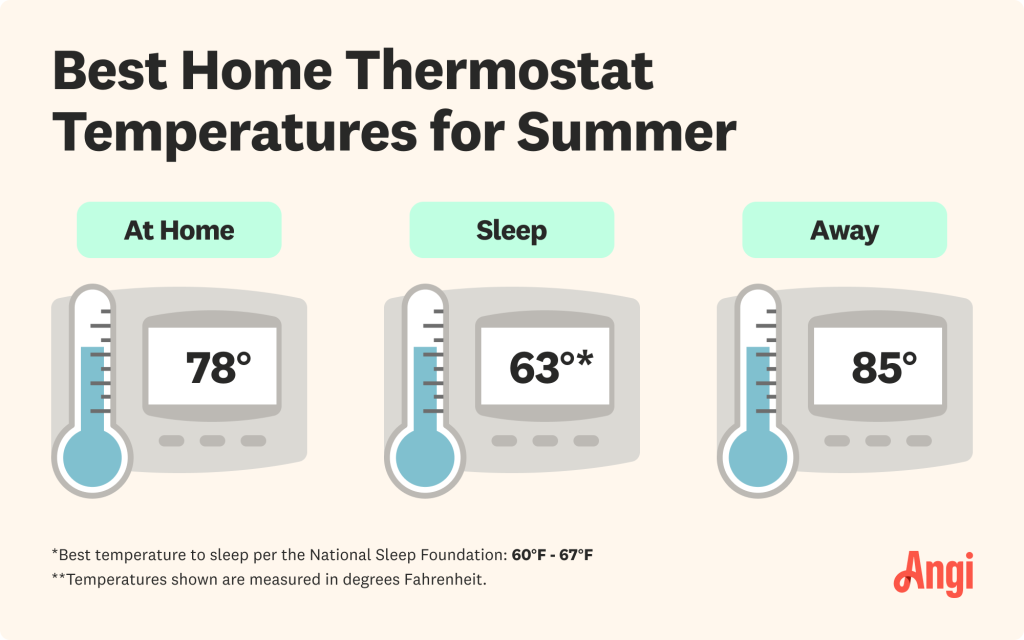
Setting your air conditioner to around 78°F saves energy while preventing heat damage. This temperature keeps your home safe and reduces cooling costs during vacation. Adjusting the thermostat too low wastes energy without added benefits.
Balancing Comfort And Savings
Setting the air conditioner to a higher temperature during vacation saves energy. A good balance keeps your home cool enough to avoid damage but saves money on bills. Choose a temperature that stops heat buildup and lowers humidity.
Too low wastes energy. Too high can cause problems like mold or heat damage. Adjust based on how long you will be away and your local climate.
Recommended Temperature Ranges
| Season | Temperature Range (°F) | Temperature Range (°C) |
|---|---|---|
| Summer | 78 – 85 | 26 – 29 |
| Winter (if heating) | 55 – 60 | 13 – 16 |
- Set around 78°F (26°C) for short trips to save energy.
- For longer trips, 82°F to 85°F (28°C to 29°C) works well.
- Keep humidity low to prevent mold and damage.
Credit: www.msn.com
Energy Consumption And Cost Impact
Setting the air conditioner temperature affects energy usegreatly. Cooler settings make the AC work harder. This uses more electricity and costs more money. Raising the temperature while on vacation saves energy. A good range is between 78°F and 85°F. This keeps your home safe without wasting power.
Estimating savings depends on how long you are away. The longer the AC runs less, the more you save. For example, setting the thermostat to 82°F for a week can cut energy use by up to 15-20%. Small changes add up over time.
| Temperature Setting (°F) | Energy Use | Estimated Monthly Savings |
|---|---|---|
| 72 | High | Low |
| 78 | Medium | Moderate |
| 82 | Low | High |
Smart Thermostat Benefits
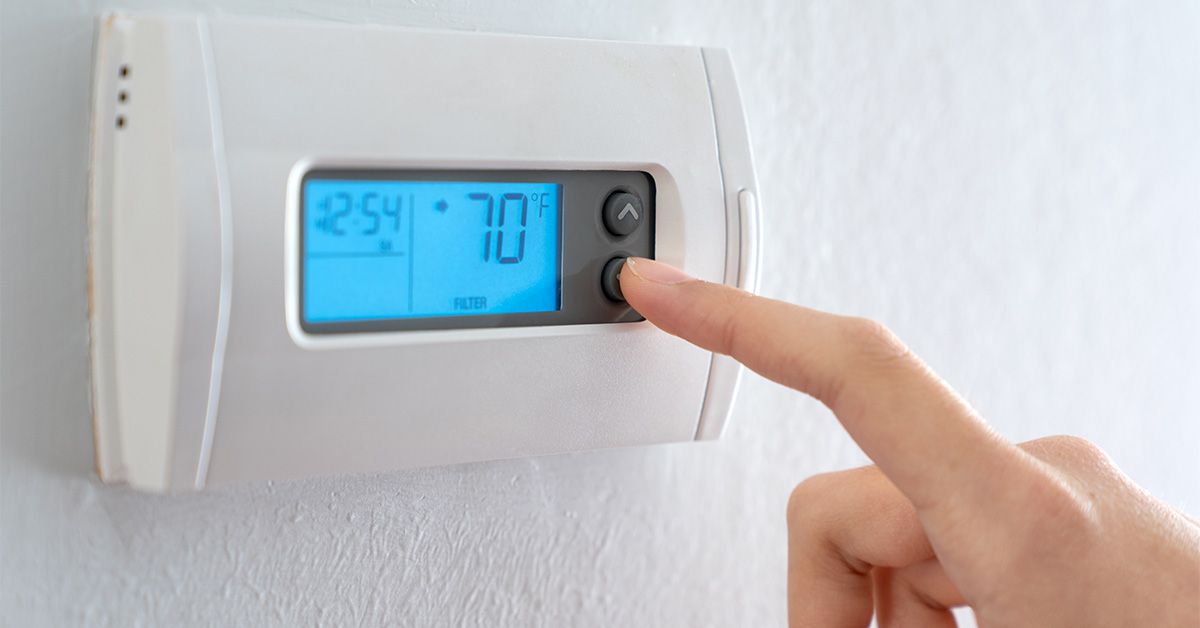
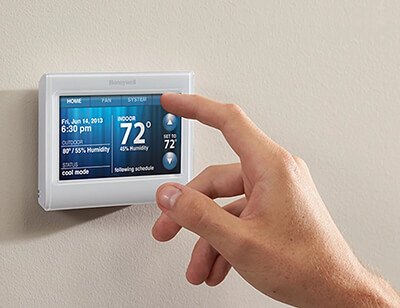
Smart thermostatslet you control your home’s temperature from anywhere. You can change settings using your phone or computer. This means you can adjust the air conditioner even while on vacation.
Scheduling featureshelp set your AC to turn on or off at certain times. This saves energy and keeps your home comfortable. Automation can also learn your habits and adjust settings for you.
- Remote control:Change temperature without being home.
- Scheduling:Set times for AC to run or stop.
- Automation:Thermostat learns your preferences.
Credit: gulfshorecooling.com
Factors Influencing Temperature Choice
Home insulationaffects how well your house holds cool air. A well-insulated home keeps air in longer, so setting the AC higher saves energy. Large homes need more cooling power than small ones. Setting the temperature too low wastes energy and money.
The local climateis key. In hot, dry areas, a higher temperature setting is okay because less humidity feels cooler. In hot, humid places, keeping the AC cooler helps prevent mold and keeps the air fresh. Cooler settings might be needed in very warm climates to protect plants and pets.
Additional Tips For Energy Efficiency
Setting your air conditioner to around 78°F saves energy while keeping your home safe. Lowering blinds and sealing windows also helps reduce cooling costs. Small changes make a big difference in energy use during vacations.
Using Fans And Ventilation
Fans help air move and feel cooler without using much power. Use ceiling or portable fans to keep rooms fresh. Ventilate your home during cooler parts of the day. Open windows early morning or late evening to let in cool air. This lowers the need for air conditioning. Fans and good airflow save energy and money.
Sealing And Window Treatments
Seal cracks and gaps around doors and windows to stop cool air from escaping. Use weatherstripping or caulk for better sealing. Cover windows with curtains or blinds to block sunlight. This keeps rooms cooler and reduces AC use. Reflective or blackout curtains work best. These simple steps keep your home energy-efficient while you are away.
Frequently Asked Questions
What Is The Best Ac Temperature While On Vacation?
Setting your AC to 85°F when you’re on vacation is ideal. It balances energy savings with preventing humidity and mold. This temperature ensures that your home remains safe from excessive moisture while reducing your electricity bill.
Should I Turn Off The Ac When On Vacation?
It’s not recommended to turn off your AC completely. Keeping it set at 85°F prevents humidity and mold. This setting also helps protect your home’s interior and furniture from heat damage.
How Does Vacation Ac Setting Save Energy?
Setting your AC higher while away reduces energy consumption significantly. It prevents the AC from running frequently, saving electricity. This approach lowers your energy bills while maintaining home safety.
Can Setting Ac Higher Affect Home Safety?
Yes, setting your AC higher can actually protect your home. It helps prevent mold and humidity-related issues. Maintaining a moderate temperature guards against potential heat damage to furniture and electronics.
Conclusion
Setting your air conditioner to a moderate temperature saves energy and money. It keeps your home safe from heat damage while you’re away. Choosing the right temperature avoids high electricity bills later. A setting around 78°F (25-26°C) works well for most.
This balance protects your house and cuts costs. Remember, a smart temperature helps your AC run less. Enjoy your vacation without worry about your home’s temperature. Simple steps can make a big difference. Keep it cool, keep it smart.