Are you wondering when exactly you should turn on your air conditioner to stay comfortable without wasting energy? Knowing the right temperature to switch it on can save you money and keep your home just right.
You’ll discover simple tips to help you decide the perfect moment to cool your space. Keep reading, and you’ll learn how to beat the heat smartly while protecting your wallet.

Credit: www.youtube.com
Ideal Temperature Settings
Setting the air conditioner temperatureproperly saves energy and keeps you cool. The ideal indoor temperatureis usually between 75°F and 78°F. This range balances comfort and electricity use well.
Lower temperatures make the AC work harder. It uses more energy, raising bills. Higher temperatures might feel warm but reduce energy use.
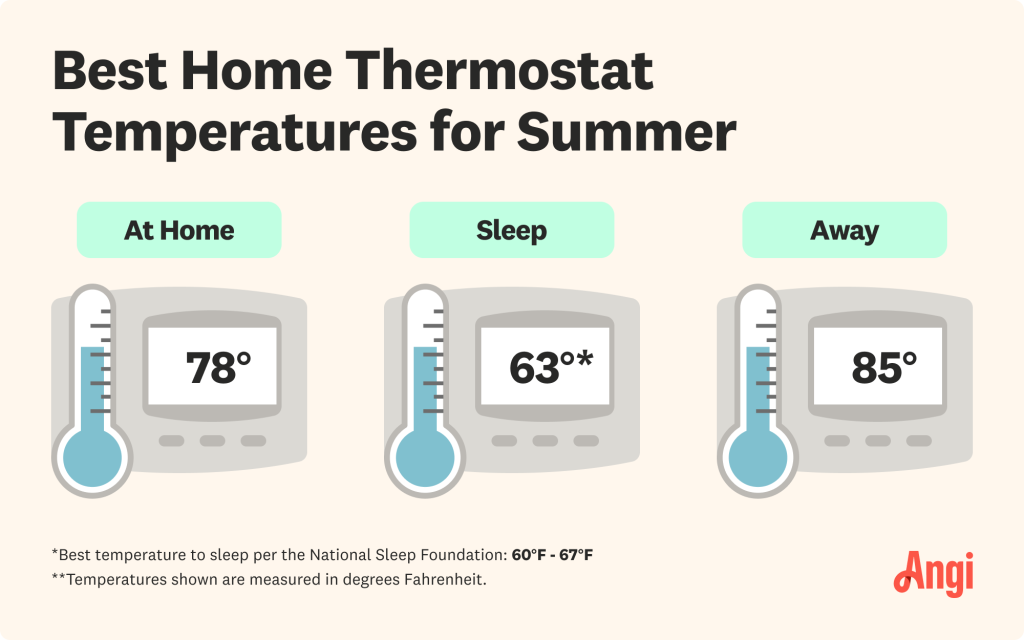
- Try setting the thermostat at 78°Fwhen home.
- Set it higher, around 85°F, when away.
- Use a fan to help air circulate and feel cooler.
Small changes in temperature can lead to big energy savings. Adjusting the AC based on your schedule helps save money and stays comfortable.
Factors Influencing Temperature Choice
Outdoor weather conditionsgreatly affect the best temperature to set your air conditioner. Hot and sunny days may require cooler settings to stay comfortable. Cooler or cloudy days might need less cooling. Wind and rain can also change how your home feels inside.
Humidity levelsplay a big role in comfort. High humidity makes the air feel warmer and sticky. Setting the AC to lower temperatures can help remove moisture and cool better. Low humidity means less moisture, so a slightly higher temperature may be enough.
Room size and insulationimpact how well the air conditioner works. Large rooms need more cooling power and may require lower temperatures. Well-insulated rooms keep cool air longer, allowing you to set the temperature a bit higher. Poor insulation lets cool air escape, needing stronger cooling.
When To Start Your Air Conditioner
The best time to turn on your air conditioner is when the temperature reaches about 75°F (24°C). At this point, the air may start feeling warm and uncomfortable. Other signs include humidity risingor feeling sticky indoors. If you notice these, it’s a good idea to switch on the AC.
Turning on the AC too early can waste energy and increase bills. Try to wait until the weather stays warm for a few days. This helps avoid premature usageand saves money.
- Indoor temperature above 75°F (24°C)
- Increased humidity inside the house
- Feeling hot or sticky indoors
- Warm nights making it hard to sleep

Credit: www.reddit.com
Energy Efficiency Tips
Programmable thermostats help save energy by adjusting temperatures automatically. Set the AC to turn on just before you arrive home. This keeps your space cool without wasting power all day. Lower the temperature during hot hours and raise it when you are away. This simple habit reduces electricity bills and wear on your AC unit.
Regular maintenance keeps your air conditioner running well. Clean or replace filters every 1-2 months to improve airflow and efficiency. Check and clear debris around the outdoor unit. A clean AC cools faster and uses less energy. Scheduling yearly professional checkups helps spot issues early and extends your unit’s life.
Health And Comfort Considerations
Preventing overcoolinghelps avoid cold-related health issues. Setting the air conditioner too low can cause dry skin, headaches, and muscle stiffness. Keeping the temperature around 75°F (24°C)balances comfort and health. It also saves energy and lowers electric bills.
Managing allergies and air qualityis key for a healthy home. Air conditioners help remove dust, pollen, and pet dander from the air. Regular filter cleaning improves air quality and reduces allergy symptoms. Avoid very cold temperatures to prevent dry air, which can irritate nasal passages.
Seasonal Adjustments
Set the air conditioner to around 78°F (26°C)in summer. This keeps the room cool without using too much energy. A higher setting saves money and helps the environment. Use a fan with the AC to spread cool air better.
Before cooler months, lower the AC use. Turn it off when temperatures drop below 70°F (21°C). Check the unit for maintenance. Clean or replace filters to keep air fresh and efficient.

Credit: www.cnet.com
Frequently Asked Questions
What Is The Ideal Ac Temperature For Summer?
The ideal AC temperature for summer is typically between 24-26°C (75-78°F). This range ensures comfort and energy efficiency. Setting your AC within this range can help save on electricity costs while keeping your home cool.
Should I Adjust The Ac At Night?
Yes, you should adjust the AC at night. Setting it slightly higher, around 26°C (78°F), can improve sleep quality and reduce energy consumption. This adjustment helps balance comfort and efficiency.
How Does Humidity Affect Ac Temperature Settings?
Humidity affects how cool you feel. High humidity may require a lower AC setting for comfort. Conversely, low humidity might allow for a higher temperature setting. Balancing temperature and humidity ensures optimal comfort and efficiency.
Why Is 24°c Considered Energy Efficient?
Setting your AC at 24°C (75°F) is energy efficient because it minimizes power usage. This temperature strikes a balance between comfort and cost. It helps reduce energy bills while maintaining a pleasant indoor environment.
Conclusion
Choosing the right temperature to turn on your air conditioner saves energy and money. Set it around 75°F (24°C) for comfort and efficiency. Avoid cooling your home too early or too low. This helps the AC run less and last longer.
Remember to close windows and doors to keep cool air inside. Small actions make a big difference. Stay comfortable without wasting power. Adjust based on how you feel and the weather outside. Simple steps keep your home cool and your bills low.