
Are you worried about your DEF (Diesel Exhaust Fluid) freezing during those cold winter months? You’re not alone.
Many vehicle owners face this chilly dilemma, especially when temperatures drop unexpectedly. Understanding the exact temperature at which DEF freezes can save you time, money, and a lot of hassle. But here’s the twist: it’s not just about the numbers on the thermometer.
There’s more to it, and knowing the ins and outs can give you peace of mind and keep your vehicle running smoothly. Curious? Let’s dive into the science behind DEF and discover how you can prevent freezing issues before they start.
Def Freeze Basics
Understanding the basics of DEF freeze is essential for vehicle owners. DEF, or Diesel Exhaust Fluid, is a vital liquid in diesel engines. It reduces harmful emissions by breaking down nitrogen oxides. Knowing how temperature affects DEF helps maintain engine performance and prevents costly damage.
What Is Def Freeze
DEF freeze happens when the fluid turns solid due to cold temperatures. DEF is mostly water and urea, which freezes at about -11°C (12°F). When frozen, DEF cannot flow or function properly. This can stop the vehicle from running or cause engine warnings. Modern vehicles often include DEF heaters to avoid freeze problems.
Why Temperature Matters
The freezing point of DEF is critical for cold climates. Below -11°C, DEF starts to freeze and becomes unusable. If DEF freezes in the tank or lines, it can block the system. This causes engine errors and may prevent the engine from starting. Keeping DEF at the right temperature ensures smooth engine operation.
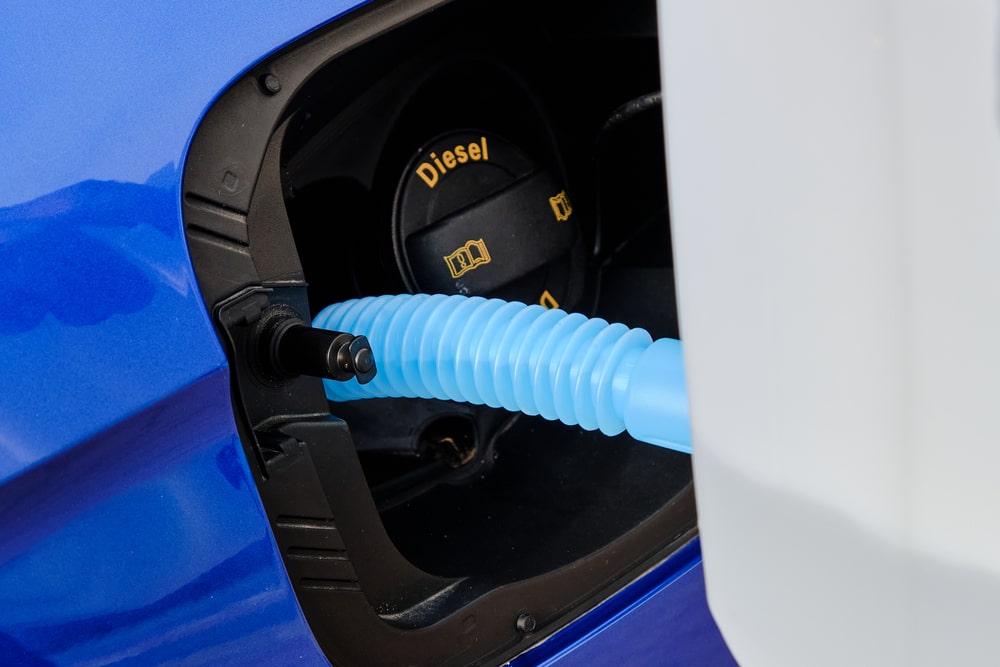
Credit: azurechemical.com
Temperature Thresholds
Understanding the temperature thresholds of Diesel Exhaust Fluid (DEF) is crucial for vehicle owners and operators. DEF has specific freezing points and reacts differently under cold weather. Knowing these limits helps prevent damage and ensures smooth engine operation. This section covers the freezing point of DEF and the impact cold weather has on it.
Freezing Point Of Def
DEF freezes at about -11°C (12.2°F). This is the temperature where it changes from liquid to solid. Below this point, DEF becomes a gel-like substance and cannot flow properly. Freezing does not damage DEF but affects its use until it thaws. Vehicles with DEF tanks need protection in cold climates to avoid freezing issues.
Impact Of Cold Weather
Cold weather slows down DEF flow and can cause blockages in the system. Frozen DEF stops the injection process, which affects emissions control. Most vehicles have heaters to thaw DEF quickly when the engine runs. Storing DEF in a warm place reduces freezing risks. Regular checks in winter help maintain DEF function and engine health.
Signs Of Def Freezing
Knowing the signs of DEF (Diesel Exhaust Fluid) freezing is crucial for anyone relying on diesel engines, especially in colder climates. DEF freezes at around 12°F (-11°C), and recognizing the early indicators can save you from unexpected vehicle issues. Let’s look at what changes to watch for and how freezing affects your vehicle’s performance.
Physical Changes
One of the first signs of DEF freezing is a noticeable change in its appearance. Liquid DEF will start to form ice crystals or become slushy, often looking cloudy instead of clear. You might see this in the DEF tank or when you check the fluid level.
Also, the DEF pump may make unusual noises if it tries to move frozen fluid. Pay attention if you hear grinding or struggling sounds, as this often points to frozen DEF. Another physical sign is the DEF gauge on your dashboard showing abnormal readings or warnings.
Effects On Vehicle Performance
Frozen DEF can disrupt the Selective Catalytic Reduction (SCR) system, which reduces harmful emissions. When the DEF is frozen, your vehicle’s emission control system may not work properly, causing increased exhaust smoke or even triggering the check engine light.
You might also notice your engine running less smoothly or a drop in fuel efficiency. Some vehicles enter a limp mode to protect the engine when DEF issues arise, limiting speed and power until the fluid thaws.
Have you ever experienced your truck slowing down unexpectedly on a cold morning? That could be a sign your DEF has frozen. Monitoring these signs helps you act quickly and avoid costly repairs or downtime.

Credit: azurechemical.com
Preventing Def Freeze
Preventing DEF freeze is vital in cold climates. DEF, or Diesel Exhaust Fluid, freezes at 12°F (-11°C). Frozen DEF can stop your vehicle from running properly. Protecting DEF from freezing keeps your engine clean and efficient.
Storage Tips
Store DEF in a cool, dry place above freezing temperature. Avoid placing containers near windows or outside in cold weather. Keep DEF sealed tightly to prevent contamination. Use smaller containers for daily use to reduce exposure to cold air.
Using Additives
Additives can lower DEF’s freezing point. Use only approved additives designed for DEF. Follow manufacturer instructions carefully when adding chemicals. Avoid mixing different additives, as this can cause damage. Proper additives help maintain DEF fluidity in cold weather.
Vehicle Heating Systems
Many vehicles have built-in DEF heaters. These heaters warm DEF tanks and lines to prevent freezing. Ensure the heating system is working before winter starts. Regular maintenance helps avoid DEF freeze problems. Using engine heat also helps keep DEF liquid during operation.
Handling Frozen Def
Handling frozen Diesel Exhaust Fluid (DEF) requires care and attention to preserve its effectiveness. DEF is a solution that freezes at about 12°F (-11°C), so encountering frozen DEF is common in colder climates. Knowing how to properly thaw and refill DEF can save you time and prevent damage to your vehicle’s emission system.
Thawing Methods
Thaw frozen DEF slowly to avoid compromising its quality. The safest way is to move the container to a warmer environment, such as inside a heated garage or room, and let it thaw naturally.
Avoid using direct heat sources like open flames or hot water, as rapid temperature changes can degrade the DEF’s chemical composition. If you need faster thawing, place the container in lukewarm water, ensuring the water does not touch the DEF itself.
Have you ever tried thawing DEF in freezing weather? Be patient and allow the fluid to return to liquid form before use. This approach helps maintain the fluid’s purity and performance.
Refilling Guidelines
Before refilling, check that the DEF is completely thawed and clear. Cloudy or crystallized DEF should not be used, as it may harm your vehicle’s emission system.
Always use DEF that meets ISO 22241 standards to ensure compatibility with your vehicle. When refilling, keep the DEF container clean and avoid contamination by dirt or water.
Consider using a dedicated DEF dispenser or funnel to minimize spills and exposure to air. Do you keep your DEF container sealed tightly between uses? Proper storage helps extend its shelf life and prevents freezing again.
Impact On Emissions And Regulations
Understanding the impact of DEF freeze on emissions and regulations is crucial for anyone managing diesel engines. DEF, or Diesel Exhaust Fluid, plays a key role in reducing harmful nitrogen oxide emissions. When DEF freezes, it can disrupt this process, potentially affecting your engine’s environmental performance and legal compliance.
Def Freeze And Emission Controls
DEF freeze can temporarily halt the selective catalytic reduction (SCR) system, which is essential for cutting emissions. Without a functioning SCR, your engine may emit higher levels of pollutants, especially nitrogen oxides (NOx). This increase can lead to your vehicle failing emissions tests and potentially causing damage to emission control components.
Manufacturers design DEF systems to thaw quickly once temperatures rise, but the freeze period still poses risks. You might notice warning lights or reduced engine power as the system tries to compensate. How prepared are you to handle these interruptions during cold weather?
Compliance Considerations
Regulatory bodies have strict rules on emissions levels, and DEF freeze incidents can put you at risk of non-compliance. Failing emissions tests due to DEF-related issues might lead to fines or vehicle restrictions. It’s essential to monitor DEF quality and tank temperature, especially in colder climates.
Simple steps can help maintain compliance, such as using high-quality DEF, insulating DEF tanks, or installing heaters. Have you checked if your vehicle’s DEF system includes freeze protection features? Staying ahead with these measures ensures you avoid costly regulatory setbacks and keep your operations running smoothly.

Credit: www.susquehannasales.net
Frequently Asked Questions
At What Temperature Does Def Freeze?
DEF (Diesel Exhaust Fluid) freezes at 12°F (-11°C). Below this temperature, it turns solid but remains usable after thawing.
How Long Does Def Take To Freeze?
DEF typically freezes within a few hours when exposed to temperatures below 12°F (-11°C). Freezing time varies by volume.
Can Frozen Def Damage My Vehicle?
Frozen DEF does not damage the vehicle. It simply stops flowing until it thaws, ensuring engine safety.
How Do I Thaw Frozen Def Safely?
Thaw frozen DEF by moving the container to a warmer place. Avoid direct heat to prevent damage.
Conclusion
Defrosting happens when temperatures rise above freezing point. Water turns to ice at 32°F (0°C). Below this, freezing can damage many items. Knowing the right temperature helps protect your food and plants. Keep perishables cold but not frozen to maintain freshness.
Watch the weather to avoid unexpected freezes. Simple steps can save you time and money. Stay aware and prepare for cold nights ahead. Understanding freezing temperatures keeps your home and garden safe.