
Have you ever faced the anxiety of waking up on a chilly morning, only to wonder if your plumbing system survived the night? If you’re using PEX pipes, you’re likely aware of their popularity due to their flexibility and durability.
But even these modern marvels have their limits. You might be asking yourself, “At what temperature will PEX freeze and burst? ” Understanding this crucial aspect can save you from costly repairs and the hassle of dealing with water damage in your home.
Stick around, and you’ll discover not only the freezing point of PEX but also practical tips to protect your plumbing system during those freezing months. Don’t let the cold catch you off guard—learn how to keep your pipes safe and sound!

Credit: www.reddit.com
Pex Pipe Basics
Pex pipes are a popular choice for plumbing due to their flexibility and durability. Understanding the basics of Pex can help you decide if it’s right for your home or project. Let’s break down what makes Pex pipes unique and where you might use them.
Material Properties
Pex stands for cross-linked polyethylene, a type of plastic known for its strength and flexibility. Unlike traditional metal pipes, Pex can bend around corners without needing many joints. This reduces the chance of leaks and makes installation easier.
One surprising fact about Pex is its resistance to freezing. It can expand slightly under cold conditions, which helps prevent bursting. However, it’s not completely immune to extreme cold, so knowing the exact temperature limits is important.
Common Uses
You’ll find Pex pipes in various plumbing applications, from hot and cold water supply lines to radiant floor heating systems. Its flexibility makes it perfect for tight spaces where rigid pipes would be difficult to fit.
- Residential water supply lines
- Hydronic heating systems
- Snow melting systems for driveways
- Retrofit plumbing projects
Have you ever struggled with installing rigid pipes in a confined space? Pex often solves that problem by bending around obstacles, saving time and effort. This practical advantage is why many professionals recommend it for both new construction and repairs.
Freezing Point Of Pex
Pex tubing is popular for plumbing because it is flexible and durable. But even Pex can freeze if temperatures drop too low. Understanding the freezing point of Pex helps prevent pipe damage in cold weather.
The freezing point refers to the temperature at which water inside the Pex pipes turns to ice. When water freezes, it expands and can cause pipes to burst. Knowing the temperature thresholds and factors that influence freezing can protect your plumbing system.
Temperature Thresholds
Pex itself does not freeze because it is a type of plastic. The water inside the pipe freezes at 32°F (0°C), like normal water. However, Pex pipes can handle colder temperatures better than metal pipes.
Generally, Pex can withstand temperatures down to -40°F (-40°C) without cracking. But the water inside will freeze at 32°F (0°C), causing pressure build-up. Freezing risk increases when temperatures stay below freezing for many hours.
Factors Influencing Freezing
- Pipe insulation:Better insulation keeps pipes warmer.
- Water flow:Moving water freezes slower than standing water.
- Pipe location:Pipes in unheated areas freeze more easily.
- Ambient temperature:Longer exposure to freezing temps raises freeze risk.
- Pipe diameter:Smaller pipes freeze faster than larger ones.
Proper insulation and maintaining water flow reduce freeze chances. Protecting pipes in cold zones is essential to avoid freezing and bursting.
Bursting Risks
Understanding the bursting risks of PEX pipes is crucial, especially if you live in an area prone to freezing temperatures. Though PEX is more resistant to freezing than traditional pipes, it’s not completely immune to damage. Knowing how and when freezing causes harm can save you from costly repairs and water damage.
How Freezing Causes Damage
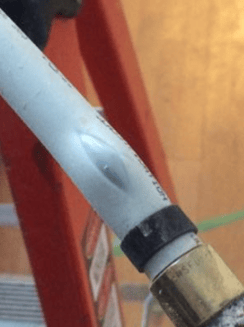
When water inside PEX pipes freezes, it expands. This expansion puts pressure on the pipe walls. Even though PEX is flexible, extreme pressure can cause it to crack or burst.
It’s important to remember that the damage often happens not during the freeze, but when the ice starts to melt. The sudden rush of water trying to flow past the melted ice block can create a surge, increasing the chance of a burst.
Have you ever noticed your pipes rattling during a cold snap? This can be a sign of ice forming inside, stressing the pipe system.
Signs Of Potential Burst
Spotting early signs can help you act before a burst happens. Look for:
- Bulging or swellingspots on your PEX pipes.
- Cracks or splitsalong the pipe surface.
- Reduced water flowor strange noises like banging or knocking sounds.
- Frost or icevisible on the pipe exterior.
If you detect any of these signs, it’s time to insulate your pipes or let a professional inspect them. Waiting too long can turn a small problem into a major leak.

Credit: www.reddit.com
Preventing Freezing In Pex Pipes
Preventing freezing in PEX pipes protects your plumbing and home. Pipes that freeze can burst, causing costly damage. Taking steps to stop freezing keeps water flowing and avoids repairs. Simple methods can make a big difference during cold weather.
Insulation Techniques
Insulating PEX pipes helps keep them warm. Use foam pipe sleeves or rubber insulation. Wrap pipes fully, especially those in unheated areas like basements or crawl spaces. Seal gaps around pipes with spray foam. This blocks cold air from reaching the pipes.
Proper Installation Tips
Install PEX pipes away from exterior walls. Keep pipes inside heated parts of the building. Avoid tight bends that reduce water flow. Secure pipes so they do not touch cold surfaces. Leave space for insulation around the pipes. These steps reduce freezing risks.
Using Heat Sources
Heat tape or heat cables can prevent pipe freezing. Wrap these devices around pipes and plug them in. Use thermostats to control heat and save energy. Place small space heaters in areas with vulnerable pipes. Always follow safety instructions when using heat devices near plumbing.
Repairing Frozen Or Burst Pex Pipes
Dealing with frozen or burst PEX pipes can be stressful, especially when you’re unsure how to fix the problem quickly and effectively. Knowing the right repair steps can save you time, money, and a lot of frustration. Whether you’re facing a temporary emergency or planning a permanent repair, understanding your options is crucial.
Temporary Fixes
When you discover a frozen or burst PEX pipe, your first priority is to stop the water flow to prevent further damage. Shut off the main water valve immediately.
To thaw frozen sections, use a hairdryer or a heat gun on low setting. Avoid open flames or high heat, which can damage the pipe.
- Wrap the pipe with towels soaked in warm water for gentle thawing.
- Apply heat gradually, moving along the pipe section evenly.
- Keep an eye on the pipe for any leaks during thawing.
If the pipe has burst, use a pipe clamp or rubber patch as a temporary seal. These quick fixes can hold until you get professional help or perform a long-term repair yourself.
Long-term Solutions
Once the immediate risk is controlled, you should focus on a permanent repair to avoid repeated damage. Replacing the damaged pipe section is usually the best solution.
PEX pipes are flexible and relatively easy to work with. Cut out the damaged part using a pipe cutter, and install a new section using PEX fittings and a crimping tool.
Consider adding insulation around pipes in vulnerable areas to prevent future freezing. Foam pipe sleeves or heat tape can make a big difference in cold climates.
Have you thought about upgrading your home’s overall pipe insulation? It’s an investment that might save you from costly repairs down the road.
Credit: www.flowguardgold.com
Comparing Pex To Other Pipe Materials
Comparing PEX to other pipe materials reveals key differences in freezing tolerance and durability. These factors affect how pipes perform in cold weather. Understanding these differences helps in choosing the right pipe for your needs.
Freeze Resistance
PEX pipes can expand slightly without breaking when frozen. This makes them more resistant to freeze damage than rigid pipes. Copper and PVC pipes do not stretch and often crack under freezing pressure.
PEX generally withstands temperatures down to around 20°F (-6°C) before freezing. Copper and PVC pipes may freeze at higher temperatures and burst more easily. This flexibility gives PEX a safety advantage in cold climates.
Durability Differences
PEX pipes resist corrosion and scale build-up better than metal pipes. Copper pipes can corrode over time, reducing water flow and pipe lifespan. PVC pipes are strong but can become brittle in cold weather.
PEX also handles impacts and ground movement without cracking. Metal pipes may dent or break under stress. PVC pipes can crack if exposed to harsh sunlight or freezing conditions for long.
Choosing PEX offers a balance of flexibility and toughness. It lasts longer in many environments compared to traditional pipe materials.
Frequently Asked Questions
At What Temperature Does Pex Tubing Freeze?
PEX tubing typically starts to freeze around 32°F (0°C). However, its flexibility allows it to withstand freezing better than metal pipes. Prolonged exposure to freezing temperatures increases the risk of damage.
Can Pex Tubing Burst When Frozen?
Yes, PEX can burst if water inside freezes and expands. Though more flexible than metal, extreme cold can cause cracks or splits in the tubing.
How Can I Prevent Pex Pipes From Freezing?
Insulate PEX pipes and keep them in heated areas. Allow faucets to drip during cold spells to reduce freezing risk. Proper installation and protection are key.
Is Pex Tubing Safer From Freezing Than Copper?
PEX is more flexible and less likely to burst than copper when frozen. Its elasticity allows it to expand with ice formation, reducing rupture risk.
Conclusion
PEX pipes freeze around 20°F (-7°C), but bursting depends on water pressure. Cold weather can cause damage if pipes stay frozen too long. Insulating pipes helps keep water flowing safely in winter. Remember to check and protect outdoor plumbing before temperatures drop.
Taking simple steps now prevents costly repairs later. Stay prepared to keep your PEX pipes safe and working well.