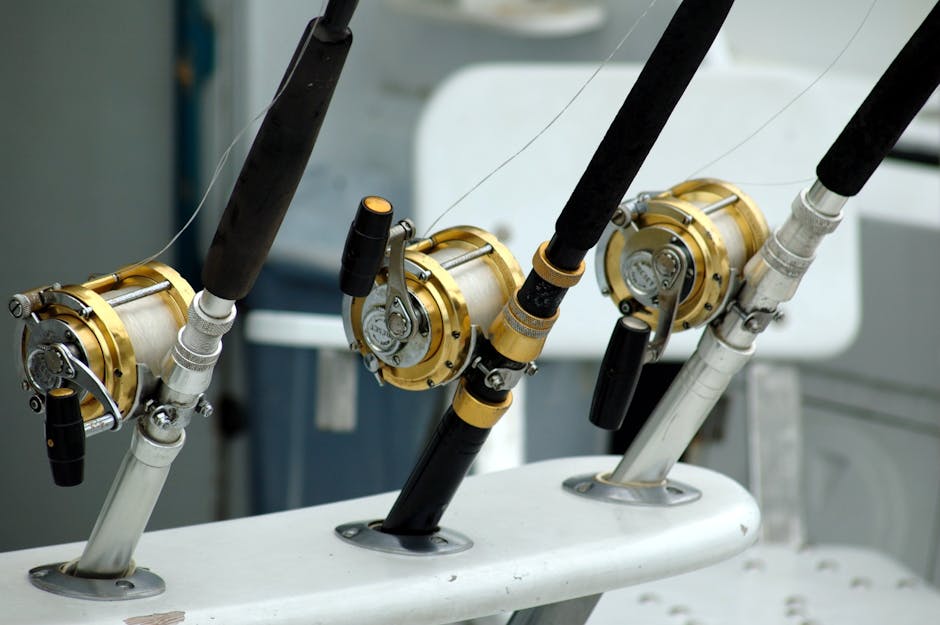
Choosing the best fishing line for your spinning reel can make all the difference between a great catch and a frustrating day on the water. You want a line that feels smooth, casts far, and holds up under pressure.
But with so many options out there, how do you know which one suits your style and needs? This guide will help you understand the key features to look for, so you can confidently pick the perfect line and enjoy more successful fishing trips.
Keep reading to discover what really works for your spinning reel.
Credit: letsgobassfishing.com
Types Of Fishing Lines
Choosing the right fishing line helps you catch more fish. Different types of lines have unique features. This guide explains the main types for spinning reels.
Understanding each line type lets you pick the best one for your fishing style and conditions. Learn about monofilament, braided, and fluorocarbon lines below.
Monofilament Lines
Monofilament lines are made from a single strand of nylon. They are soft, stretchy, and easy to handle. These lines are good for beginners.
They float well and absorb shock, which helps when fish fight. Monofilament is also less visible in water than some other types.
- Good stretch and shock absorption
- Easy to knot and cast
- Affordable and widely available
- Can weaken over time with sunlight
Braided Lines
Braided lines are made by weaving many thin fibers together. They are very strong and thin for their strength. Anglers use them to catch big fish.
These lines have little stretch, which gives better sensitivity. You can feel small bites and control the lure well. Braided lines last a long time but are more visible in water.
- High strength with small diameter
- Low stretch for better sensitivity
- Durable and resistant to abrasion
- More visible underwater than other lines
Fluorocarbon Lines
Fluorocarbon lines are made from a special plastic that sinks in water. They are nearly invisible underwater, making them good for clear water fishing.
These lines are strong and resist abrasion well. They do not stretch much, which helps with hook setting. Fluorocarbon is a good choice for leaders or main lines.
- Almost invisible in water
- Good abrasion resistance
- Low stretch for better hook sets
- Sinks faster than other lines

Credit: fishgenix.com
Factors Influencing Line Choice
Choosing the right fishing line for spinning reels is important. Several factors impact your decision. This guide explores key considerations.
Understanding these factors helps you select the best line. Your fishing experience will improve with the right choice.
Water Conditions
Water clarity and depth affect line choice. Clear water needs thin, invisible lines. Murky water allows for thicker lines.
- Clear water: Fluorocarbon lines work well
- Murky water: Braided lines are suitable
- Deep water: Use lines with good sinking ability
Target Fish Species
The fish species you aim to catch matters. Different fish require different line strengths. Knowing the fish helps in selecting the right line.
- Small fish: Light lines are enough
- Medium fish: Medium strength lines are ideal
- Large fish: Strong, durable lines are necessary
Casting Distance
Your casting distance can influence line choice. Longer casts need specific lines. Short casts allow for more options.
Choose lines that match your casting needs. This ensures better performance and control.
Abrasion Resistance
Abrasion resistance is crucial in rough conditions. Rocks and debris can damage lines. Stronger lines resist wear better.
- Rocky areas: Choose high abrasion-resistant lines
- Open water: Less resistance needed
- Heavy cover: Durable lines are important
Line Strength And Diameter
Choosing the right fishing line for spinning reels depends on line strength and diameter. These two factors affect casting, control, and catch rate.
Understanding pound test ratings and line diameter helps balance power and flexibility on the water.
Pound Test Ratings
Pound test ratings show the maximum weight a fishing line can hold before breaking. Higher ratings mean stronger lines for bigger fish.
- Light lines (2-6 lb) work for small fish and light tackle.
- Medium lines (8-14 lb) suit most freshwater fishing.
- Heavy lines (15+ lb) handle large fish and tough conditions.
Line Diameter Impact
Line diameter affects how far and smooth the line casts. Thinner lines cast farther and are less visible in water.
| Line Diameter (inches) | Pound Test | Usage |
| 0.006 – 0.008 | 2 – 6 lb | Small fish, light gear |
| 0.010 – 0.014 | 8 – 14 lb | General freshwater fishing |
| 0.016 – 0.020 | 15 – 25 lb | Large fish, heavy cover |
Balancing Strength And Flexibility
Strong lines are less flexible and harder to cast. Flexible lines are easier to handle but may break on big fish.
- Choose a line with enough strength for your target fish.
- Pick a line diameter that fits your reel and fishing style.
- Consider the water conditions and cover where you fish.
- Test lines to find the best balance for your needs.

Credit: www.reddit.com
Best Lines For Freshwater Fishing
Choosing the right fishing line improves your catch rate. Different fish and waters need different lines.
Freshwater fishing uses lines that suit bass, trout, and many other species. This guide covers top options.
Top Picks For Bass
Bass fishing needs strong lines with good stretch. This helps fight the fish without breaking the line.
Fluorocarbon and braided lines work well for bass. Fluorocarbon is less visible underwater and very tough.
- Fluorocarbon: low visibility, abrasion-resistant
- Braided: very strong, good for heavy cover
- Monofilament: stretchy and easy to cast
Lines Suitable For Trout
Trout prefer lighter lines that are less visible in clear water. Fluorocarbon and light monofilament are best.
These lines help you present bait naturally. Light lines reduce spooking the trout in shallow streams.
- Fluorocarbon: sinks well, hard to see
- Light monofilament: flexible and soft
- Test strength: 2-6 pounds for most trout
Versatile Freshwater Options
Some lines work well for many freshwater fish. Monofilament is a popular choice for versatility.
It offers good stretch and is easy to handle. Braided lines suit anglers needing extra strength in thick cover.
- Monofilament: budget-friendly, easy to use
- Braided: high strength, low stretch
- Fluorocarbon: invisible, good abrasion resistance
Best Lines For Saltwater Fishing
Choosing the right fishing line for saltwater is important. Saltwater can wear down your line fast. Picking a strong and resistant line helps you fish better.
Spinning reels need lines that can handle salt, sun, and rough fish. This guide shows what to look for in saltwater fishing lines.
Durability In Saltwater
Saltwater affects fishing lines differently than freshwater. Lines must resist breaking and stretching under pressure. Durability means the line lasts longer and performs well.
- Monofilament lines are flexible but wear out faster.
- Braid lines offer high strength and low stretch.
- Fluorocarbon lines resist abrasion and are less visible.
Recommended Saltwater Lines
Different lines suit different saltwater fishing styles. Choose one based on strength, stretch, and water clarity.
| Type | Strength | Stretch | Visibility |
| Monofilament | Medium | High | Moderate |
| Braid | High | Low | High |
| Fluorocarbon | Medium-High | Low | Low |
Corrosion Resistance
Saltwater causes corrosion on fishing gear. Lines made with corrosion resistance last longer. They protect your reel and hooks better.
- Fluorocarbon lines resist salt and sun damage well.
- Braid lines dry quickly and resist salt buildup.
- Monofilament lines can degrade faster if not rinsed.
Line Maintenance Tips
Taking care of your fishing line helps it last longer. Proper maintenance keeps the line strong and reliable.
Simple habits like good storage and regular checks can prevent problems. These tips help you get the best use from your spinning reel line.
Storage Practices
Store your fishing line in a cool, dry place away from sunlight. Heat and UV rays weaken the line over time.
Keep the line on the reel or spool to avoid tangles. Use a line holder or container to protect it from dust and dirt.
- Avoid leaving line in direct sunlight
- Store line in sealed containers if possible
- Keep line away from chemicals and oils
- Use a reel cover for added protection
Checking For Damage
Inspect your line often for cuts, nicks, or frays. Damaged spots weaken the line and can cause breakage.
Run your fingers gently along the line to feel for rough areas. Look closely for discoloration or thin sections.
- Check for small cuts or abrasions
- Look for discoloration or brittleness
- Feel for rough or thin spots
- Replace line if any damage is found
When To Replace Your Line
Replace your fishing line at least once a year. Frequent use or rough conditions may require more frequent changes.
Change the line if it shows signs of wear or after a big catch. Old or weak line can snap and cause lost fish.
- Replace line yearly or sooner if worn
- Change after catching large fish
- Replace if line feels brittle or stiff
- Use fresh line for better casting and strength
Popular Brands And Models
Choosing the right fishing line can improve your experience on the water. Each type of line suits different fishing styles and conditions. This guide covers top brands for monofilament, braided, and fluorocarbon lines used with spinning reels.
Below, you will find popular models from trusted manufacturers. These lines are known for their quality, strength, and reliability.
Top Monofilament Brands
Monofilament lines are versatile and easy to handle. They stretch under pressure, which helps prevent line breaks. Here are some popular monofilament lines.
- Berkley Trilene XL – Smooth casting and good knot strength.
- Stren Original – Affordable and offers good abrasion resistance.
- Spiderwire Stealth – Known for low memory and high strength.
- Maxima Chameleon – Offers excellent visibility in water.
Leading Braided Line Brands
Braided lines are strong and thin. They have no stretch, which helps feel bites better. Here is a comparison of top braided lines.
| Brand | Model | Strength | Key Feature |
|---|---|---|---|
| PowerPro | Spectra Fiber | 10-80 lb | High sensitivity and smooth casting |
| Spiderwire | Stealth Braid | 6-65 lb | Low visibility and strong knot strength |
| Frog Hair | Superline | 8-65 lb | Durable and abrasion resistant |
| Berkley | FireLine | 6-50 lb | Thermally fused for strength |
Best Fluorocarbon Lines
Fluorocarbon lines are nearly invisible underwater. They sink faster than other lines and resist abrasion well. These brands lead in fluorocarbon line quality.
- Seaguar InvizX– Clear and has excellent knot strength.
- Berkley Vanish– Good abrasion resistance and low memory.
- Pflueger Trion– Smooth casting with high sensitivity.
- Sufix Elite– Durable and fast sinking.
Line Testing And Reviews
Choosing the best fishing line for spinning reels requires careful testing. Anglers want lines that offer strength and smooth casting.
Reviews from users and experts help find the right balance of durability and performance in different conditions.
Performance Tests
Performance tests measure line strength, stretch, and abrasion resistance. These tests show how lines hold up under pressure.
| Line Type | Breaking Strength (lbs) | Stretch (%) | Abrasion Resistance |
| Monofilament | 12 | 20 | Medium |
| Fluorocarbon | 14 | 10 | High |
| Braid | 15 | 5 | Low |
User Feedback
Anglers share their experience on line performance during fishing trips. Their feedback often highlights real-world strengths and weaknesses.
- Monofilament is easy to handle and knots well.
- Fluorocarbon is nearly invisible underwater but stiffer.
- Braid offers high strength and thin diameter.
- Some users report braid has less stretch, which helps feel bites better.
- Fluorocarbon resists abrasion near rocks and logs.
Expert Recommendations
Experts suggest matching line choice to fishing style and target species. They consider factors like water clarity and lure weight.
- Use monofilament for beginners due to its ease of use.
- Choose fluorocarbon for clear water and finesse fishing.
- Select braid for heavy cover or deep water fishing.
- Regularly test line for wear and replace as needed.
- Pay attention to line diameter versus reel capacity.
Tips For Spooling Your Reel
Spooling your spinning reel correctly improves fishing performance. It helps avoid problems like line tangles and weak casts.
Follow simple steps to spool your reel smoothly and keep your fishing line strong and ready.
Preventing Line Twist
Line twist causes knots and weak spots that can break your line. It happens when the line spins too much during casting or retrieval.
To avoid line twist, keep the line tight and avoid letting it spin freely off the spool.
- Use a swivel to reduce line spin
- Keep the line tight while spooling
- Do not let loose loops form during casting
Proper Spooling Techniques
Use the right method to spool your spinning reel. This helps the line lay evenly and reduces tangles.
Attach the line to the spool and keep tension on the line. Slowly turn the reel handle to fill the spool.
- Start with a knot to secure the line
- Keep steady tension on the line
- Fill the spool evenly from edge to edge
- Avoid overfilling the spool
Maximizing Line Capacity
Use the full capacity of your reel spool to get longer casts and better fishing experience. But do not overfill it.
Leave a small gap at the spool edge to avoid line slipping off or tangling during casts.
- Check spool size and line diameter
- Fill the spool to about 1/8 inch below the edge
- Use thinner line for more length on the spool
Frequently Asked Questions
What Type Of Fishing Line Suits Spinning Reels Best?
Monofilament and braided lines work best for spinning reels. Monofilament offers stretch and ease, while braided lines provide strength and sensitivity. Choose based on your fishing style and target species for optimal results.
How To Choose Fishing Line Strength For Spinning Reels?
Select line strength based on the fish species and fishing environment. Light lines (4-10 lb) suit small fish, while heavier lines (12-20 lb) handle bigger catches. Always match line strength with reel capacity for smooth performance.
Why Is Line Diameter Important For Spinning Reels?
Line diameter affects casting distance and sensitivity. Thinner lines cast farther and detect bites better but may be less durable. Thicker lines offer durability but reduce casting range. Balance diameter with strength for best results.
Can I Use Braided Line On Spinning Reels?
Yes, braided lines are great for spinning reels. They offer high strength, low stretch, and excellent sensitivity. Use a monofilament or fluorocarbon leader to reduce visibility and improve knot security.
Conclusion
Choosing the right fishing line helps catch more fish and enjoy fishing. Consider the type, strength, and reel compatibility carefully. Each fishing trip can bring better results with the right line. Try different lines to find what works best for you.
Fishing becomes more fun and less frustrating this way. Keep your gear ready and enjoy time on the water. Good fishing lines make a big difference every time you cast.