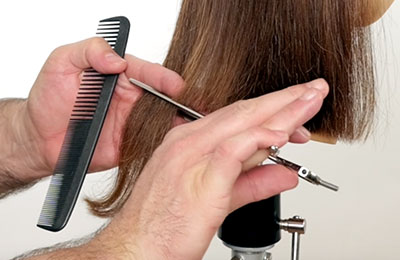
Have you ever wondered how hairstylists create those perfectly blended, natural-looking layers? The secret often lies in a simple tool called thinning shears.
If you want to know how to add texture, reduce bulk, and give your hair a softer finish, understanding what thinning shears do is a game-changer. Keep reading, and you’ll discover how this tool can transform your hair routine and help you achieve the style you’ve always wanted.
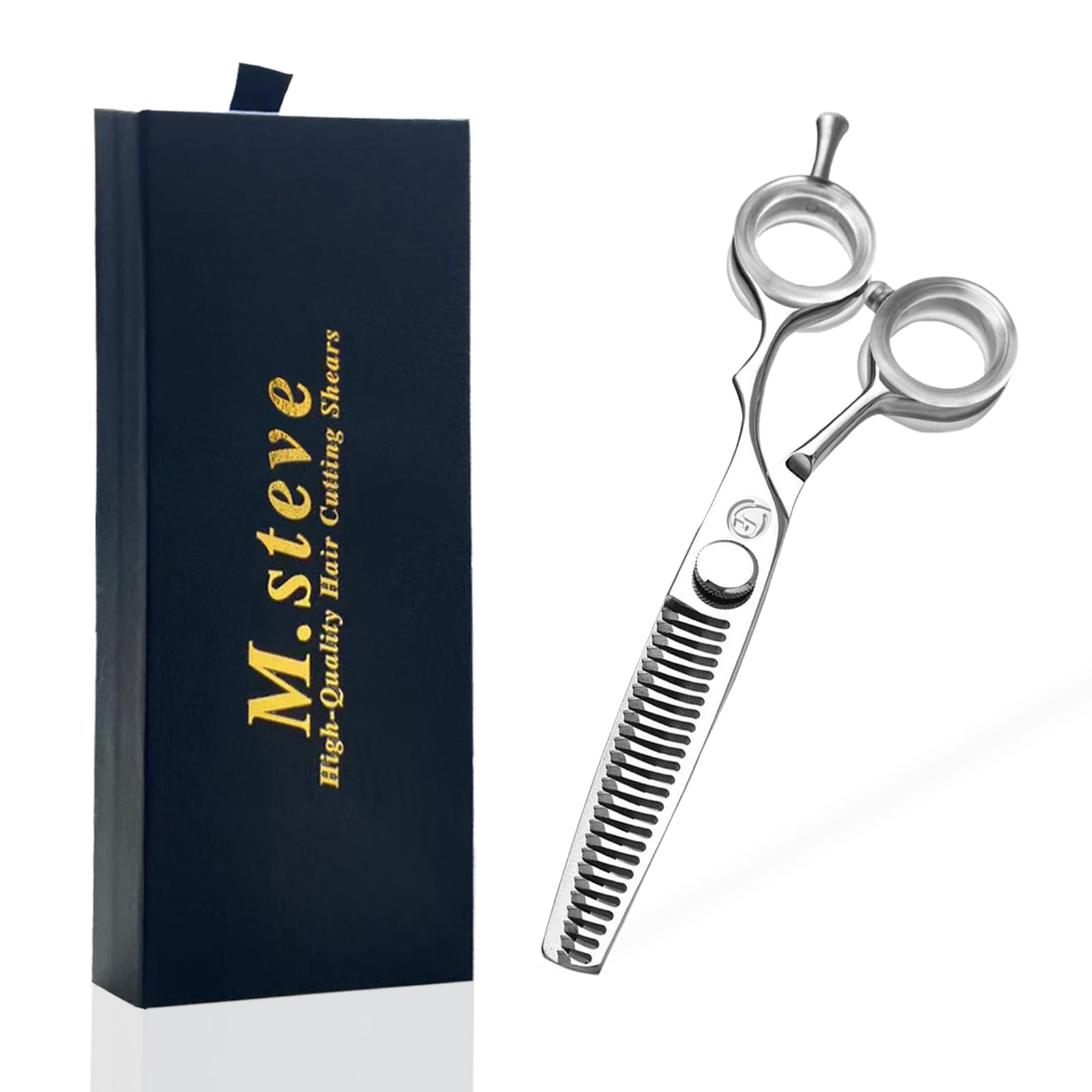
Credit: www.amazon.com
Purpose Of Thinning Shears
Thinning shears are special scissors used in hair cutting. They help remove some hair without cutting it all off.
These shears make hair look softer and more natural. They are great tools for hairstylists and people cutting their hair at home.
Reducing Hair Bulk
Thinning shears reduce thick hair without changing the style. They cut some hair strands while leaving others.
This helps to make heavy hair lighter and easier to manage. It also prevents hair from looking too puffy or heavy.
Blending Layers Smoothly
Thinning shears blend different hair layers for a smooth look. They remove harsh lines between layers.
This tool helps hair flow better from one layer to another. It makes the haircut look natural and soft.
Softening Hairlines
Thinning shears soften the edges of hairlines. They reduce sharp, thick edges around the hair.
This technique gives a gentle finish to the haircut. It makes hairlines look less harsh and more natural.

Credit: jatai.net
Types Of Thinning Shears
Thinning shears help reduce hair bulk without cutting length. They create a natural, blended look in hairstyles.
Different types of thinning shears suit various hair cutting needs. Understanding these types helps choose the right tool.
Standard Vs. Texturizing Shears
Standard thinning shears have evenly spaced teeth on one blade. They remove hair evenly for a smooth blend.
Texturizing shears have fewer teeth and wider gaps. They cut less hair and add texture and movement.
Blade Teeth Variations
- Fine teeth: Cut small amounts of hair for subtle thinning.
- Medium teeth: Balance between thinning and texturizing effects.
- Coarse teeth: Remove larger hair sections for bold texture changes.
Material And Quality Factors
| Material | Durability | Sharpness |
| Stainless Steel | High | Good |
| Titanium Coated | Very High | Excellent |
| Ceramic | Moderate | Sharp but fragile |
High-quality materials keep blades sharp longer. Good sharpness means clean cuts and less hair damage.
Techniques For Using Thinning Shears
Thinning shears help reduce hair thickness and add texture. They blend layers and soften harsh lines.
Using thinning shears correctly improves the hair’s natural look. Learning the right techniques is important for good results.
Proper Grip And Angle
Hold thinning shears like regular scissors with a firm but relaxed grip. Use your thumb and ring finger for control.
Keep the shears at a slight angle to the hair. This angle helps remove small amounts of hair evenly.
- Hold shears comfortably without tension
- Use thumb and ring finger to open and close
- Position blades at 45 degrees or less
- Cut small sections for better control
Sectioning Hair Correctly
Divide hair into sections before using thinning shears. This helps you work carefully on each area.
Start with larger sections and then make smaller ones for detailed thinning. This method keeps the process neat.
- Create clean, even sections
- Work on one section at a time
- Use clips to hold other hair away
- Thin hair closer to the ends or bulk areas
Timing And Stroke Control
Use short, gentle strokes when cutting with thinning shears. Avoid cutting too much at once.
Pause between cuts to check the hair’s thickness. This helps prevent removing too much hair.
- Make slow, controlled snips
- Cut small amounts each time
- Check hair texture often
- Stop if hair looks too thin
Benefits Of Thinning Shears In Haircuts
Thinning shears are special scissors used in hair cutting. They help change hair texture and shape easily.
These shears remove small amounts of hair to soften thick areas. They make hair look lighter and more natural.
Creating Natural Volume
Thinning shears add natural volume by reducing bulk without cutting length. This helps hair look fuller and alive.
They thin thick parts evenly so hair does not look flat or heavy. This makes styles feel soft and balanced.
Reducing Weight In Thick Hair
Thinning shears remove extra weight from thick hair. This makes hair easier to manage and style.
They cut some strands without losing length. This stops hair from looking bulky or stiff.
- Lightens heavy hair sections
- Prevents hair from looking puffy
- Keeps style shape intact
Enhancing Hair Movement
Thinning shears create soft edges that let hair move freely. Hair looks natural when it flows and shifts.
This tool helps avoid thick, stiff lines in haircuts. It adds texture so hair waves and bounces better.
Common Mistakes To Avoid
Thinning shears help shape hair by removing bulk and adding texture. Using them wrong can cause damage or an uneven look. Avoiding common mistakes makes hair look better and healthier.
Learn what not to do with thinning shears. This guide shows three main errors to watch out for. Correct use keeps hair smooth and natural.
Over-thinning
Cutting too much hair with thinning shears leads to thin, patchy results. Over-thinning can make hair weak and hard to style. It is best to use shears lightly and check often.
- Do not slide shears too many times in one spot.
- Work on small sections at a time.
- Check hair thickness after every cut.
- Stop thinning if hair looks too sparse.
Uneven Texturing
Uneven use of thinning shears causes patchy hair texture. This mistake creates a rough and unbalanced look. Consistent technique helps achieve smooth texture.
| Cause | Effect | Fix |
| Cutting randomly | Uneven patches | Work section by section |
| Using too much pressure | Rough texture | Use gentle, even strokes |
| Not blending cuts | Visible lines | Blend edges smoothly |
Using On Damaged Hair
Thinning shears can worsen hair damage if used on weak or broken hair. Avoid thinning hair that is dry, brittle, or chemically treated without care.
Tips to protect damaged hair:
- Check hair condition before thinning.
- Use thinning shears only on healthy areas.
- Apply deep conditioner after cutting.
- Avoid thinning on split ends.
Maintenance And Care Tips
Thinning shears work best when they are clean and well cared for. Proper maintenance helps them last longer and cut smoothly.
Follow simple steps to keep your thinning shears sharp and safe to use every time.
Cleaning After Use
Clean your thinning shears right after using them. Remove hair, dirt, and moisture to stop rust and damage.
- Use a soft cloth to wipe the blades.
- Remove stuck hair with a small brush or toothpick.
- Apply a drop of oil to the blades to keep them smooth.
- Dry the shears completely before storing.
Sharpening Frequency
Keep your thinning shears sharp for clean cuts. Dull blades pull hair and cause uneven cutting.
| Usage Level | Recommended Sharpening |
| Light use (home) | Every 6-12 months |
| Regular use (barber/ stylist) | Every 3-6 months |
| Heavy use (professional salon) | Every 1-3 months |
Proper Storage
Store thinning shears safely to avoid damage and accidents. Use a case or pouch to protect the blades.
- Keep shears dry and clean before storing.
- Store in a padded case or sheath.
- Avoid placing heavy objects on top of shears.
- Keep out of reach of children.

Credit: jatai.net
Frequently Asked Questions
What Are Thinning Shears Used For?
Thinning shears are used to remove bulk from hair. They help in blending layers and texturizing hairstyles. Stylists use them to create a softer look and manage volume. These shears have teeth that cut some hair while leaving others, giving a natural finish.
How Do Thinning Shears Differ From Regular Scissors?
Thinning shears have teeth on one or both blades. Regular scissors have straight blades that cut all hair equally. Thinning shears selectively remove hair, providing texture and reducing bulk. They offer control over hair volume and help in achieving a blended look.
Can Thinning Shears Damage Hair?
When used correctly, thinning shears do not damage hair. They should be used sparingly and strategically by professionals. Incorrect use can lead to frizzy ends or over-thinning. It’s important to understand hair type and desired outcome before using them.
How Often Should I Use Thinning Shears?
Thinning shears should be used as needed, based on hair type and style. Typically, they are used during regular haircuts to maintain volume and texture. Overuse can lead to excessive thinning, so it’s advised to consult a professional stylist for best results.
Conclusion
Thinning shears help create soft, natural hair shapes. They remove bulk without changing hair length. Stylists use them to blend layers and reduce thickness. These scissors add texture and control to hairstyles. Anyone wanting a lighter, more balanced look benefits.
Using thinning shears takes some practice but is worth it. Keep your hair healthy by trimming carefully and often. In short, thinning shears improve hair’s feel and style easily.