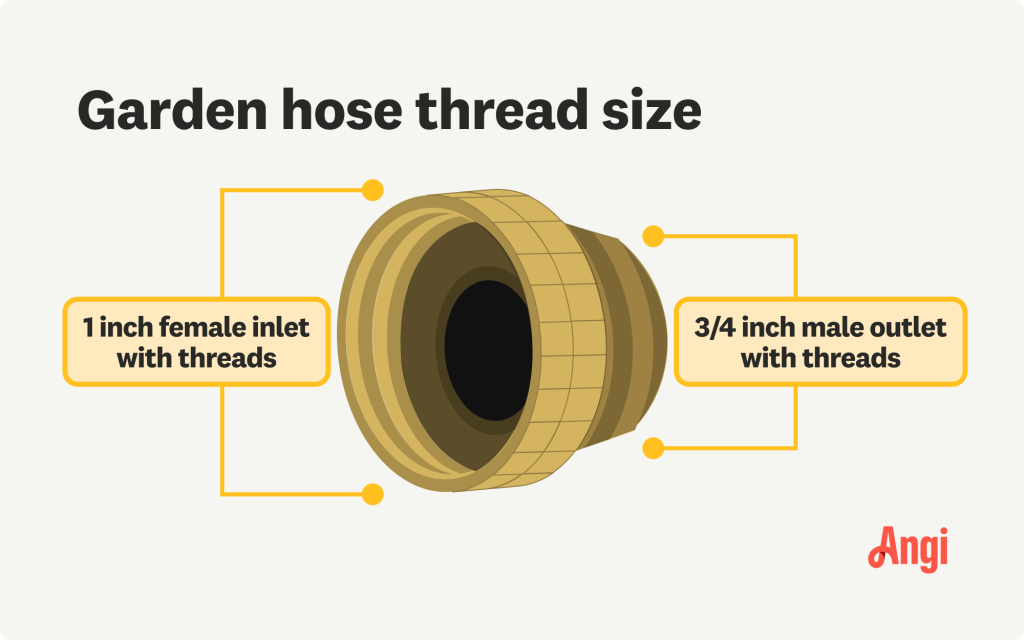
Have you ever tried to connect a new nozzle or sprinkler to your garden hose, only to find it doesn’t fit? If so, you’re not alone.
The secret to making sure your hose and accessories work perfectly together lies in understanding the thread on your garden hose. Knowing the right thread size and type can save you time, money, and frustration. You’ll discover exactly what thread is on a garden hose and how to identify it easily.
Keep reading, and you’ll never struggle with hose fittings again!

Credit: www.amazon.ca
Common Garden Hose Threads
Garden hoses use different types of threads to connect to faucets and accessories. Knowing the thread type helps you find the right fittings. This guide covers the most common garden hose threads.
Each thread type has unique sizes and shapes. Matching threads ensures a tight, leak-free connection for your garden hose.
National Hose Thread (nht)
National Hose Thread (NHT) is a standard used mostly in the United States. It has tapered threads that tighten as you screw them in. This helps create a seal without extra washers.
NHT threads are common on fire hoses and some garden hoses. The size is usually 3/4 inch in diameter. The taper angle is about 1 degree per side.
- Used mostly in the U.S.
- Tapered threads for sealing
- Common size: 3/4 inch
- Used on fire hoses and garden hoses
Garden Hose Thread (ght)
Garden Hose Thread (GHT) is the most common thread for home garden hoses. It has straight, not tapered, threads. A rubber washer inside the fitting helps prevent leaks.
The standard size for GHT is 3/4 inch with 11.5 threads per inch. It is used on hose connectors, spray nozzles, and spigots.
- Common for home garden hoses
- Straight threads with rubber washer
- 3/4 inch diameter
- 11.5 threads per inch
British Standard Pipe (bsp)
British Standard Pipe (BSP) threads are common in the UK and some other countries. BSP threads can be tapered or straight. They come in sizes like 1/2 inch and 3/4 inch.
BSP threads use a different angle and pitch than NHT or GHT. You need the right adapter to connect BSP hoses with other thread types.
| Thread Type | Common Sizes | Thread Shape | Used In |
|---|---|---|---|
| BSP | 1/2″, 3/4″ | Tapered or Straight | UK, Europe, Asia |
Thread Size Measurements
Threads on a garden hose connect the hose to faucets or other hoses. The size of the thread matters for a tight fit.
Thread size has specific measurements that include diameter, pitch, and thread count. Understanding these helps you pick the right hose.
Diameter And Pitch
The diameter is the width of the thread from one side to the other. It shows how big the thread is.
Pitch is the distance between each thread on the hose. It affects how the threads fit together.
- Diameter is usually measured in inches or millimeters.
- Pitch is measured in threads per inch or millimeters between threads.
- Both must match the fitting for a secure connection.
Thread Count Per Inch
Thread count per inch tells how many threads appear in one inch of length. It shows the thread density.
Higher thread counts mean finer threads, while lower counts mean coarser threads. Garden hoses often use standard counts.
- Common thread counts range from 11 to 14 threads per inch.
- This count must match the faucet or hose fitting thread count.
- Incorrect thread count causes leaks or poor connection.
Standard Sizes Explained
Garden hoses use standard thread sizes for easy matching. The most common size is called GHT or Garden Hose Thread.
GHT has a diameter of 0.92 inches and 11.5 threads per inch. This size fits most garden faucets and hoses in the US.
| Standard Size | Diameter (inches) | Threads per Inch | Use |
|---|---|---|---|
| GHT (Garden Hose Thread) | 0.92 | 11.5 | Garden hoses and faucets |
| NPT (National Pipe Thread) | Varies | Varies | Plumbing pipes and fittings |
| BSP (British Standard Pipe) | Varies | Varies | Some international garden hoses |
Identifying Your Hose Thread
Understanding the thread on your garden hose is crucial for proper connections. Different hoses may have varying thread types.
Knowing the correct thread helps in choosing compatible fittings and accessories. This guide will help you identify your hose thread.
Using Thread Gauges
Thread gauges are tools that measure the thread size on your hose. They help you identify the thread type accurately.
These tools are easy to use and provide precise measurements. They come in various sizes to fit different threads.
- Place the gauge over the hose thread
- Check the fit and read the size
- Use the correct gauge for accurate results
Measuring Diameter
Measuring the diameter of your hose thread helps in identifying the correct size. A ruler or caliper can be used for this.
Ensure the measurement is taken from the outer edges of the thread. This will give you the diameter in inches or millimeters.
- Use a ruler for a quick measure
- Calipers offer more precision
- Record the measurement for future reference
Comparing Thread Patterns
Different hoses may have different thread patterns. Comparing these patterns helps in identifying compatibility with fittings.
Common patterns include fine and coarse threads. Familiarize yourself with these patterns for better hose management.
- Fine threads have more threads per inch
- Coarse threads have fewer, but deeper threads
- Check your hose against a standard chart

Credit: www.wikiwand.com
Types Of Hose Thread Connections
Garden hoses connect to water sources and tools using different thread types. Knowing the right thread helps you avoid leaks and loose fittings.
There are several common hose thread connections. Each type fits specific parts and uses. Understanding these will make your gardening easier.
Male Vs Female Threads
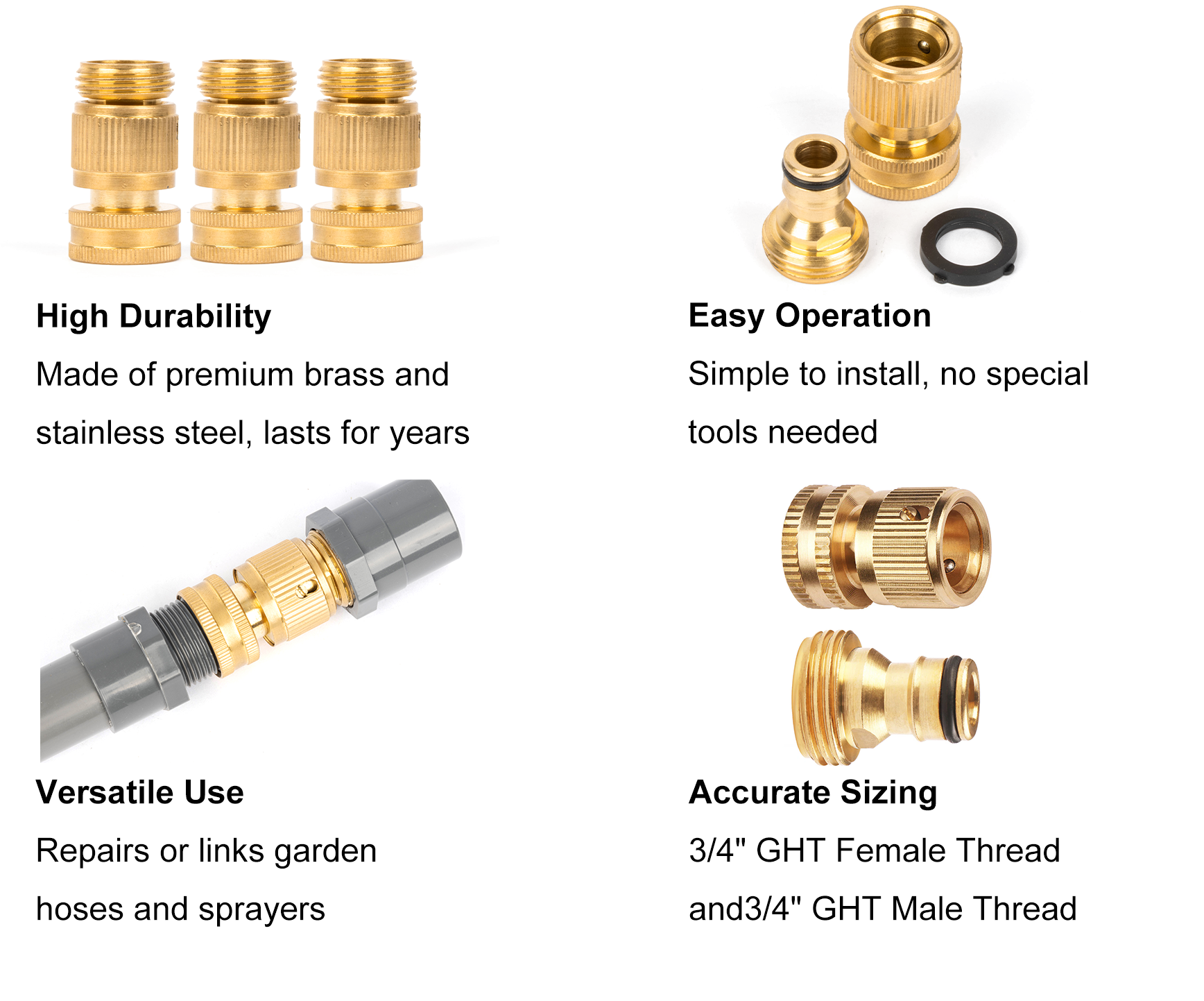
Hose threads come as male or female. Male threads stick out on the outside. Female threads are inside the connector.
Male threads screw into female threads. This creates a tight seal to stop water leaks. Always match male and female parts carefully.
- Male threads have external ridges
- Female threads have internal grooves
- Matching threads ensure proper connection
Quick Connect Fittings
Quick connect fittings make attaching hoses fast and easy. They use a push-and-click system instead of screwing threads.
These fittings come in male and female versions. They save time when switching tools or hoses in the garden.
- Push to connect and pull to release
- Often used for sprinklers and nozzles
- Need matching quick connect parts
Adapters And Converters
Adapters and converters link different hose thread types. They help connect hoses to faucets or tools with unmatched threads.
Using the right adapter prevents leaks and damage. Some adapters change thread size or type for better fit.
- Change male to female or vice versa
- Convert between different thread sizes
- Help connect quick connect fittings to threaded hoses
Choosing The Right Hose Thread
A garden hose thread is the type of screw connection on the hose ends. It connects your hose to faucets, sprinklers, and other tools. Choosing the correct thread type helps avoid leaks and loose fittings.
There are different thread sizes and styles. Knowing which one matches your equipment is important for a tight and safe connection.
Matching Threads To Appliances
Garden hoses use standard thread sizes like GHT (Garden Hose Thread). Appliances and tools may have different thread sizes or types. Make sure the hose thread matches the appliance thread exactly.
Adapters can help fit different thread types, but using the right thread size is best. Check your appliance’s manual or label for thread details before buying a hose.
- Standard garden hoses usually use 3/4 inch GHT
- Sprinklers and nozzles may use smaller threads
- Check if your appliance needs male or female threads
- Use adapters only if threads do not match
Avoiding Cross-threading
Cross-threading happens when threads don’t line up correctly. It can damage the hose or appliance threads and cause leaks. Take care when connecting hose ends to avoid this problem.
Start threading by hand slowly. Stop if you feel resistance and realign the parts before tightening. Do not force the threads together.
- Align threads before screwing parts together
- Turn hose ends slowly by hand at first
- Stop if threads feel stuck or rough
- Do not use tools to force tight connections
Ensuring Leak-free Connections
Leaks waste water and lower water pressure. Tighten hose threads firmly, but not too tight. Over-tightening can damage threads and cause leaks.
Use rubber washers inside hose connectors. They create a seal and stop water from escaping. Replace washers if they wear out or crack.
- Hand-tighten hose connections securely
- Do not over-tighten with tools
- Insert rubber washers in hose fittings
- Replace washers regularly for a good seal
International Thread Standards
Garden hoses connect to many devices worldwide. Threads on hoses must match the fittings.
Different countries use different thread standards. Knowing these helps avoid leaks and damage.
Us Vs Metric Threads
US threads use inches to measure thread diameter and pitch. Metric threads use millimeters.
- US threads often follow National Hose (NH) or Garden Hose Thread (GHT) standards.
- Metric threads follow ISO metric thread standards.
- US threads use TPI (threads per inch) to measure pitch.
- Metric threads measure pitch in millimeters between threads.
- These differences cause mismatches if not checked carefully.
Common Threads In Europe
European garden hoses often use metric threads. The most common sizes are 3/4 inch and 1/2 inch BSP.
| Thread Type | Diameter (mm) | Pitch (mm) | Region |
| BSP (British Standard Pipe) | 20.955 | 1.814 | Europe |
| ISO Metric | 19 | 1.5 | Europe, Worldwide |
| GHT (Garden Hose Thread) | 25.4 (1 inch) | 11.5 TPI | United States |
Global Compatibility Tips
Mixing thread types can cause leaks or damage to your hose and fittings. Use adapters if needed.
- Check the thread type and size before buying hoses or fittings.
- Use thread seal tape for a tight seal.
- Buy adapters designed to convert between US and metric threads.
- Test connections carefully for leaks after assembly.
- Keep spare fittings for different standards if you travel or buy parts internationally.
Maintaining Hose Threads
The thread on a garden hose connects it to faucets and other hoses. Keeping these threads in good shape stops leaks and breaks. Proper care helps the hose last longer and work better.
Threads can wear out or get dirty from use and weather. Regular cleaning and proper storage keep threads strong and safe to use.
Cleaning And Lubrication
Dirt and debris can block hose threads. Clean them gently with water and a soft brush. This stops damage and keeps the connection tight.
Use a small amount of silicone-based lubricant on the threads. This helps protect the metal and makes it easier to screw the hose on or off.
- Rinse threads with clean water
- Use a soft brush to remove dirt
- Apply silicone lubricant lightly
- Wipe off extra lubricant
Replacing Worn Threads
Threads can become stripped or cracked over time. This causes leaks and loose connections. Replace worn threads to keep the hose working well.
Some hoses have threaded connectors that you can unscrew and change. Use the right size and type to fit your hose. If unsure, ask for help at a hardware store.
- Check for cracks or stripped threads
- Unscrew the damaged connector carefully
- Match new threads to your hose size
- Attach new threads securely
Storage Best Practices
Proper storage protects hose threads from damage. Avoid leaving the hose in the sun or cold weather for long periods. This can cause the threads to weaken.
Coil the hose loosely and keep it in a dry, shaded place. Cover the threaded ends with caps or tape to stop dirt and moisture from getting inside.
- Coil hose without sharp bends
- Store in shaded, dry areas
- Cover threads with caps or tape
- Keep hose off rough surfaces
Credit: ussolid.com
Frequently Asked Questions
What Thread Size Is Standard For Garden Hoses?
The standard thread size for garden hoses in the U. S. is 3/4 inch GHT (Garden Hose Thread). It has 11. 5 threads per inch and a 55-degree thread angle, ensuring compatibility with most garden hose fittings and accessories.
How Do Garden Hose Threads Differ Worldwide?
Garden hose thread types vary by region. The U. S. uses GHT, while Europe commonly uses BSP or metric threads. Knowing your local standard helps ensure hose connectors fit perfectly without leaks or damage.
Can I Use Different Thread Types On Garden Hoses?
Mixing thread types can cause leaks or damage. Always match garden hose threads precisely. Use adapters if necessary to connect hoses with different thread standards securely.
Why Is Garden Hose Thread Different From Pipe Thread?
Garden hose thread (GHT) has a larger diameter and a 55-degree angle. Pipe threads (NPT) have a 60-degree angle and taper. This difference prevents accidental mismatching and ensures proper sealing for garden hoses.
Conclusion
Understanding garden hose thread types helps you choose the right fittings. Most hoses use a standard thread size called GHT. This thread ensures your hose connects properly to tools and faucets. Using the correct thread prevents leaks and saves water.
Now, you can easily identify the thread needed for your garden hose. Keep this knowledge handy for future gardening tasks. Simple steps like this make garden work smoother and more enjoyable.