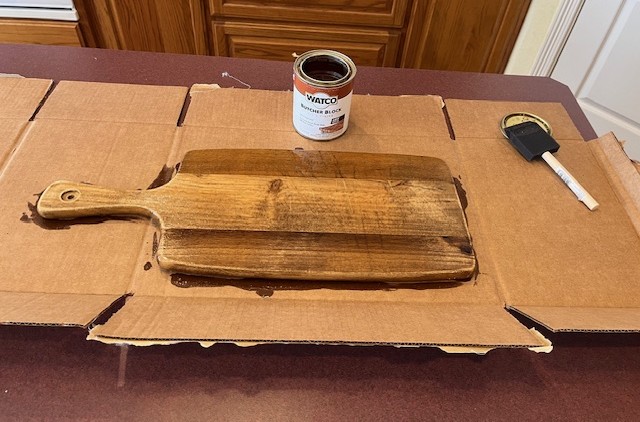
Your wood cutting board is more than just a kitchen tool—it’s where you prepare your meals and create memories. But keeping it clean can be tricky.
If you’re wondering what to clean your wood cutting board with to keep it safe, fresh, and long-lasting, you’re in the right place. This guide will show you simple, effective ways to clean your board without damaging it. Keep reading to discover easy tips that protect your board and keep your food safe every time you cook.
Credit: www.thekitchn.com
Choosing The Right Cleaner
Cleaning a wood cutting board well keeps it safe and lasts longer. Picking the right cleaner is key. Some cleaners protect the wood better than others.
You want a cleaner that removes germs but does not damage the wood. Let’s look at natural and chemical cleaners and safe household ingredients.
Natural Vs Chemical Cleaners
Natural cleaners come from plants or simple ingredients. They are gentle on wood and safe for food contact. Chemical cleaners can be strong and kill more germs fast. But they might harm the board or leave harmful residues.
Many people prefer natural cleaners to avoid harsh chemicals. Some chemical cleaners are safe if used correctly. Always rinse the board well after cleaning.
- Natural cleaners: vinegar, lemon juice, baking soda
- Chemical cleaners: bleach solutions, antibacterial sprays
- Natural options protect wood but may need more scrubbing
- Chemical options clean deeply but require caution
Safe Household Ingredients
Many household items clean wood cutting boards safely. They remove stains and germs without damage. These ingredients are easy to find and use.
Here are some safe ingredients to try on your wood cutting board.
- White Vinegar:Kills bacteria and deodorizes the board.
- Lemon Juice:Cleans and freshens with natural acid.
- Baking Soda:Gently scrubs and removes odors.
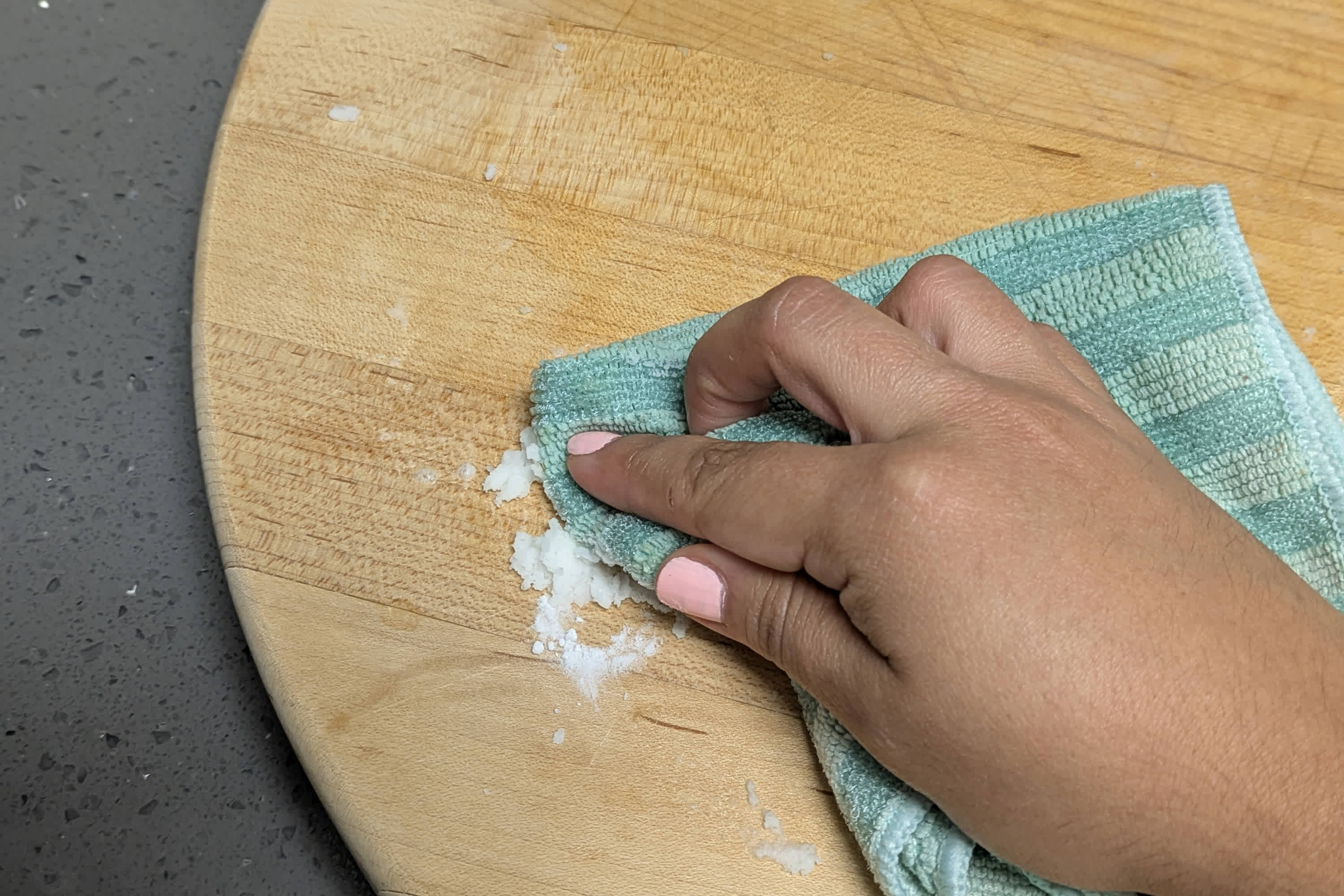
- Salt:Works as a scrub to remove food bits.
Step-by-step Cleaning Process
Wood cutting boards need careful cleaning to stay safe and last longer. Dirt and bacteria can hide in the wood if not cleaned well.
This guide shows how to clean your wood cutting board in simple steps. Follow each part to keep your board fresh and strong.
Pre-cleaning Preparation
Before washing, remove food scraps and stains from the board. This step helps the cleaning work better.
- Use a scraper or spatula to lift off stuck food.
- Rinse the board with warm water to clear loose dirt.
- Do not soak the board in water to avoid warping.
- Wipe the surface with a clean cloth or paper towel.
Deep Cleaning Techniques
Deep cleaning removes germs and stains that regular washing misses. Use natural cleaners that are safe for wood.
| Cleaning Method | How to Use | Benefits |
| Lemon and Salt | Rub half a lemon with salt on the board | Kills bacteria and removes odors |
| Vinegar Solution | Spray or wipe with diluted white vinegar | Disinfects and dries quickly |
| Baking Soda Paste | Mix baking soda with water; scrub the board | Lifts stains and cleans deeply |
| Hot Water and Soap | Wash with mild soap and hot water | Removes grease and food residue |
Drying And Maintenance
Drying your board correctly stops cracks and mold. Maintain it often for long use.
- Pat dry with a clean towel right after washing.
- Stand the board upright to air dry fully.
- Apply food-safe mineral oil once a month to keep wood strong.
- Store in a dry place, away from direct sunlight.
Removing Stains And Odors
Wood cutting boards can get stains and smells from food. Cleaning them well keeps the board safe and fresh.
Use simple home ingredients to remove marks and odors. This helps the board last longer and stay clean.
Common Stain Remedies
Stains on wood boards come from fruits, vegetables, and meat juices. Clean stains quickly to stop them from setting.
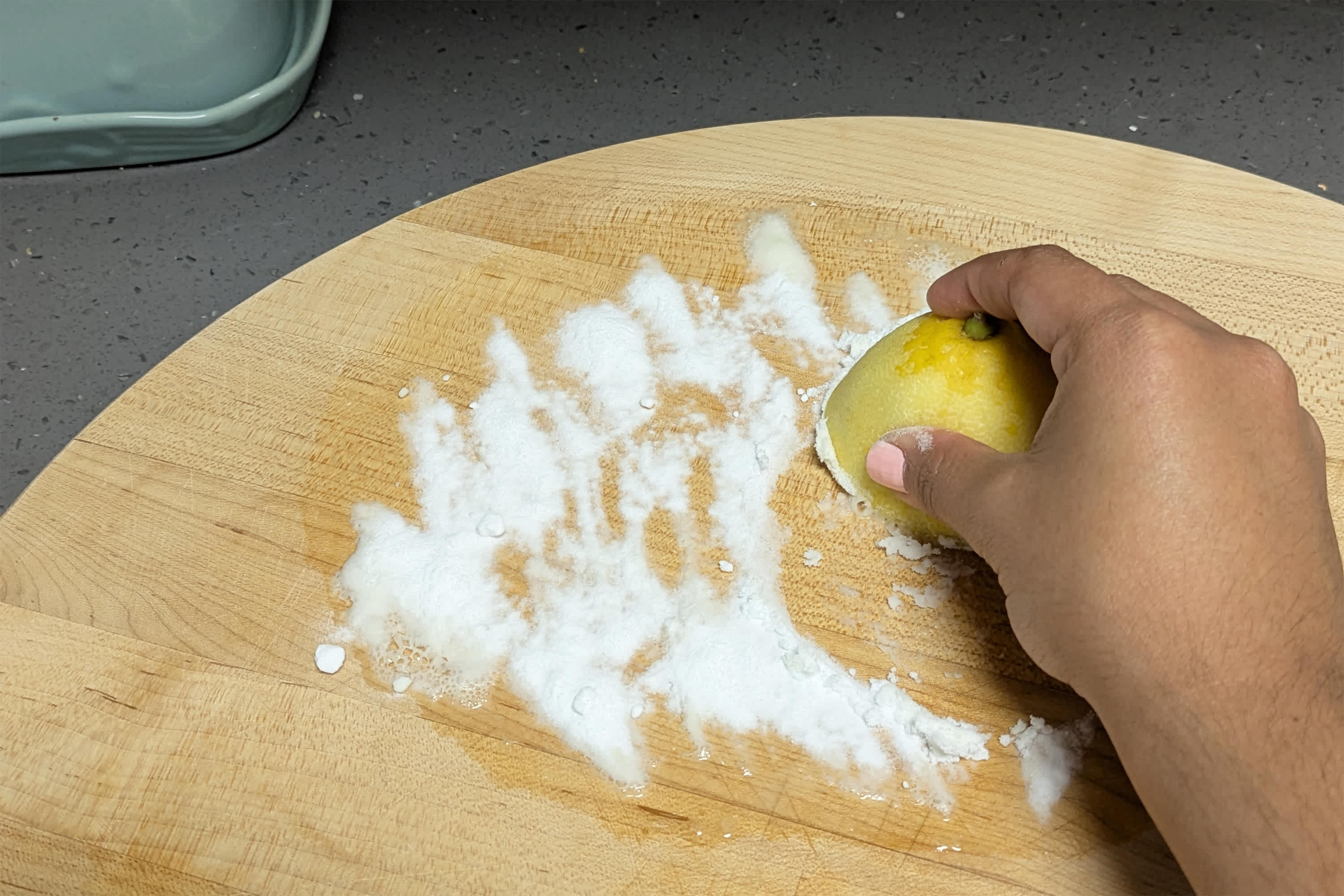
Baking soda and lemon are good for removing stains. Baking soda is gentle but strong on stains.
- Sprinkle baking soda on the stain
- Rub with half a lemon to lift the stain
- Let it sit for 5 minutes
- Rinse with warm water and dry
Deodorizing Tips
Wood boards can keep strong smells from garlic, onions, or fish. Removing odors keeps the board fresh for new use.
White vinegar and baking soda help remove bad smells without harsh chemicals.
- Wipe the board with a cloth soaked in white vinegar
- Let it sit for a few minutes
- Rinse and sprinkle baking soda over the surface
- Rub gently and rinse again
- Dry the board well

Credit: homewithgraceandjoy.com
Preventing Damage
Wood cutting boards need special care to last long. Cleaning them the right way helps stop damage.
Using the correct cleaning and storage methods keeps your board strong and safe to use.
Avoiding Warping And Cracks
Do not soak your wood board in water. Too much water causes warping and cracks.
Use mild soap and warm water to clean. Wipe the surface quickly and dry it well.
- Never put wood boards in the dishwasher.
- Dry boards standing up or on a rack.
- Apply mineral oil to keep wood moist.
Proper Storage Practices
Store wood boards in a dry place with good air flow. This stops moisture buildup and mold.
Keep boards away from direct heat or sunlight to avoid drying and cracking.
- Store boards upright to let air circulate.
- Do not stack heavy items on top of them.
- Use a clean cloth to cover if needed.
Regular Care And Conditioning
Wood cutting boards need regular cleaning and care. This keeps them safe and looking good.
Cleaning removes food and germs. Conditioning stops the wood from drying out.
Oiling Frequency And Methods
Apply oil to your wood board often. This stops cracks and warping.
Use food-safe mineral oil for best results. Avoid cooking oils that can go bad.
- Oil the board once a month or after heavy use
- Apply oil with a soft cloth or paper towel
- Cover all surfaces evenly
- Let the oil soak in for several hours or overnight
- Wipe off any extra oil before use
Using Beeswax And Other Conditioners
Beeswax adds extra protection to your board. It seals the surface and keeps moisture out.
You can mix beeswax with mineral oil to make a conditioner. Apply it like oil for better results.
- Use a small amount of beeswax conditioner after oiling
- Rub it in with a soft cloth in a circular motion
- Let it sit to form a protective layer
- Buff the board with a clean cloth to remove shine
- Repeat every few months for long-lasting care
When To Replace Your Board
Wood cutting boards last a long time with good care. Still, you must know when to replace them.
Replacing a worn board keeps your kitchen safe and clean. Look for signs that show the board is past its prime.
Signs Of Wear And Tear
Boards with deep cracks or many cuts can harbor germs. These marks make cleaning hard and reduce the board’s strength.
- Large cracks or splits in the wood
- Warping or uneven surfaces
- Loose or damaged edges
- Excessive knife marks and grooves
- Persistent stains or odors
Health And Safety Considerations
A worn board can cause food contamination. Bacteria hide in cracks and cuts, risking your health.
| Risk | Reason |
| Bacterial Growth | Cracks trap moisture and germs |
| Cross-Contamination | Hard to clean deep cuts |
| Food Poisoning | Unseen bacteria spread to food |
| Injury | Splintered wood can cut skin |
Credit: www.thekitchn.com
Frequently Asked Questions
How Do You Sanitize A Wood Cutting Board?
To sanitize a wood cutting board, use white vinegar. Apply it evenly across the surface and let it sit for a few minutes. Rinse with warm water and dry thoroughly. Vinegar naturally kills bacteria and helps maintain the board’s condition.
Can I Use Bleach On Wood Cutting Boards?
Avoid using bleach on wood cutting boards. Bleach can damage the wood fibers and leave harmful residues. Instead, opt for natural cleaning agents like vinegar or lemon juice. These are effective in disinfecting and preserving the wood’s integrity.
What Is The Best Oil For Wood Cutting Boards?
Use mineral oil or food-grade cutting board oil. These oils penetrate the wood and prevent drying or cracking. Apply a generous amount, let it soak overnight, then wipe off any excess. Regular oiling keeps the board in top condition.
How Often Should You Clean A Wood Cutting Board?
Clean your wood cutting board after every use. This prevents bacteria buildup and maintains hygiene. For deep cleaning, use a vinegar solution weekly. Regular maintenance ensures longevity and safety for food preparation.
Conclusion
Cleaning a wood cutting board keeps it safe and lasts longer. Use gentle soap and warm water for daily cleaning. Avoid soaking the board to stop cracks and warping. Rubbing with coarse salt helps remove stains and smells. Oil the board often to keep the wood healthy.
Clean your board right, and it will serve you well. Simple steps make a big difference in care. Your cutting board stays fresh and strong with regular cleaning. Easy habits keep your kitchen safe and tidy.