Looking to buy a new air conditioner? It’s not just about picking the coolest model or the best price.
Your comfort, energy bills, and even your home’s air quality depend on making the right choice. But how do you know what really matters? This guide will walk you through the key things you need to consider before making a decision.
By the end, you’ll feel confident that your new air conditioner is the perfect fit for your needs and your space. Keep reading to avoid costly mistakes and enjoy cool, fresh air all year round.
Types Of Air Conditioners
Choosing the right air conditioner can make your home more comfortable. There are several types of air conditioners. Each type fits different needs and spaces.
This guide explains the main types of air conditioners. It helps you understand their features and uses.
Window Units
Window air conditioners are small and fit into a window space. They cool one room at a time. These units are easy to install and remove.
They are usually the cheapest option. But they can be noisy and block the view from the window.
Split Systems
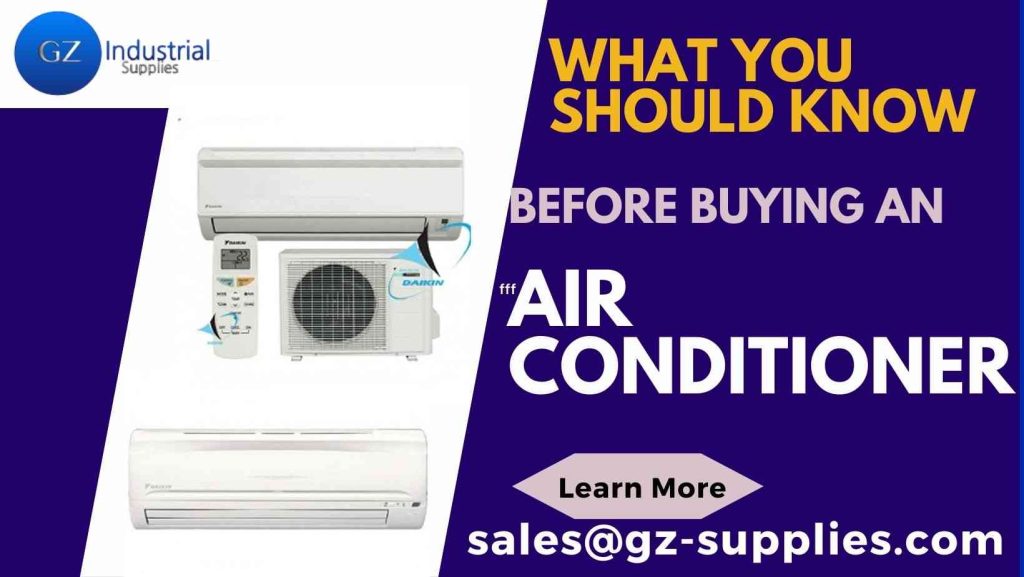
Split systems have two main parts: an indoor unit and an outdoor unit. The indoor unit cools the air inside. The outdoor unit releases heat outside.
These systems are quiet and energy efficient. They can cool one or more rooms depending on the size.
Portable Air Conditioners
Portable air conditioners are movable units on wheels. You can move them from room to room as needed. They use a hose to vent hot air outside.
- Easy to install with no permanent setup
- Good for renters or temporary cooling
- Less efficient than other types
- Can be noisy
Central Air Conditioning
Central air conditioning cools the whole house. It uses a system of ducts to deliver cool air to rooms. This type requires professional installation.
| Feature | Benefit | Consideration |
|---|---|---|
| Whole House Cooling | Even temperature in all rooms | Higher installation cost |
| Energy Efficiency | Uses less energy for large spaces | Needs ductwork in home |
| Quiet Operation | Indoor units are quiet | Requires space for outdoor unit |
Sizing Your Air Conditioner
Choosing the right size air conditioner is important for comfort and saving energy. An air conditioner that is too small will not cool well.
A unit that is too large wastes electricity and can cause humidity problems. Let’s look at how to size your air conditioner correctly.
Calculating Room Size
Measure the length and width of the room in feet. Multiply these numbers to find the area in square feet.
Knowing the room size helps you pick an air conditioner with enough power to cool the space well.
- Measure length of the room
- Measure width of the room
- Multiply length by width to get area
Cooling Capacity Needs
Cooling capacity is measured in BTUs per hour. BTU means British Thermal Unit, a measure of heat removal.
Use the room size to find the needed BTUs. Generally, you need about 20 BTUs per square foot.
- Small rooms (up to 150 sq ft): 3,000 to 5,000 BTUs
- Medium rooms (150 to 300 sq ft): 6,000 to 8,000 BTUs
- Large rooms (300 to 500 sq ft): 9,000 to 12,000 BTUs
Energy Efficiency Ratings
Check the energy efficiency ratio (EER) or seasonal energy efficiency ratio (SEER). Higher numbers mean better efficiency.
Efficient air conditioners use less electricity and save money over time. Look for units with good ratings.
- EER shows efficiency at a set temperature
- SEER shows average efficiency through a season
- Choose higher EER or SEER for lower energy costs
Energy Efficiency And Costs
Buying a new air conditioner means thinking about energy use and costs. A good unit saves money and keeps your home cool.
Understanding energy ratings helps you pick a unit that costs less to run. This guide explains key factors to consider.
Seer And Eer Ratings
SEER stands for Seasonal Energy Efficiency Ratio. It shows how well an air conditioner cools over a season.
EER means Energy Efficiency Ratio. It measures cooling efficiency at a specific temperature.
- Higher SEER means better energy savings yearly.
- Higher EER means better efficiency in hot conditions.
- Look for units with high SEER and EER ratings.
Impact On Electricity Bills
Energy-efficient air conditioners use less power. This reduces your monthly electricity bills.
Choosing a unit with better ratings can save hundreds of dollars each year on energy costs.
- Low-efficiency units cost more to run.
- High-efficiency units cost less but may cost more upfront.
- Consider long-term savings over initial price.
Energy Star Certification
Energy Star certified air conditioners meet strict energy-saving rules. They use less energy than standard models.
Buying an Energy Star unit helps reduce your home’s environmental impact and lowers energy bills.
- Look for the Energy Star label on the unit.
- Certified units often qualify for rebates and incentives.
- They provide reliable cooling with less energy waste.

Credit: www.furnaceprices.ca
Installation Considerations
Buying a new air conditioner means thinking about how it will be installed. Installation affects the system’s efficiency and your comfort.
Proper installation ensures the air conditioner works well and lasts longer. Consider the type of installation that fits your needs.
Professional Vs Diy Installation
Decide if you want to install the air conditioner yourself or hire a professional. Each option has advantages and risks.
- Professional installationensures safety and correct setup.
- DIY installationcan save money but may cause errors.
- Some warranties require professional installation to stay valid.
- Complex systems often need expert handling.
Placement And Ventilation
Where you place your air conditioner affects its cooling power and energy use. Proper ventilation is key to avoid problems.
| Placement Factor | Why It Matters |
|---|---|
| Near a window or outside wall | Allows air to flow freely and helps exhaust hot air |
| Avoid direct sunlight | Reduces heat load and improves efficiency |
| Clear space around unit | Prevents blockage and maintains good air circulation |
| Check for nearby obstructions | Ensures proper ventilation and prevents overheating |
Ductwork Requirements
Some air conditioners use ducts to move air. Your home’s ductwork must fit the new system for best performance.
- Inspect existing ducts for leaks or damage.
- Ensure duct size matches the air conditioner’s capacity.
- Seal and insulate ducts to prevent energy loss.
- Plan duct layout to deliver air evenly to rooms.
- Consider professional help to modify or add ducts.
Maintenance And Durability
Choosing a new air conditioner means thinking about how to keep it working well. Maintenance and durability affect how long your unit lasts.
Taking care of your air conditioner helps avoid costly repairs and keeps it running efficiently.
Filter Replacement
Air filters catch dust and dirt to keep air clean. Dirty filters reduce air flow and lower efficiency.
Replace or clean filters regularly to maintain good air quality and system performance.
- Check filters every month during heavy use
- Replace disposable filters as per instructions
- Clean reusable filters gently with water
Regular Servicing
Regular servicing keeps your air conditioner in top shape. It helps spot small issues before they get worse.
Schedule professional check-ups at least once a year. Service includes cleaning coils, checking refrigerant, and testing controls.
- Clean coils improve cooling efficiency
- Proper refrigerant levels prevent damage
- Functional controls ensure safe operation
Warranty And Lifespan
Look at the warranty when buying an air conditioner. A good warranty covers parts and labor for some years.
Consider the expected lifespan. Most units last 10 to 15 years with proper care.
- Longer warranties show confidence in quality
- Regular maintenance extends lifespan
- Early repairs keep the unit reliable
Additional Features To Look For
Buying a new air conditioner means more than just cooling power. Extra features can improve comfort and save energy.
Look for options that fit your lifestyle and make your home more comfortable all year round.
Smart Controls And Thermostats
Smart controls let you manage your air conditioner from a phone or tablet. You can turn it on before you get home.
Smart thermostats learn your schedule and adjust the temperature to save energy. They keep your home comfortable without extra work.
- Remote control via smartphone apps
- Programmable schedules for energy savings
- Voice control with smart home devices
- Automatic temperature adjustments
Noise Levels
Quiet air conditioners help you relax and sleep well. Check the noise level before buying.
Look for models with low decibel ratings or special noise reduction features. This is important if the unit is near bedrooms or living areas.
- Noise level measured in decibels (dB)
- Lower dB means quieter operation
- Some units have sound insulation features
- Consider where the AC will be placed
Air Purification Options
Some air conditioners include filters that clean the air. This helps remove dust, pollen, and allergens.
Look for models with HEPA filters or ionizers for better air quality. This is useful for people with allergies or asthma.
- HEPA filters trap tiny particles
- Ionizers help reduce airborne germs
- Activated carbon filters remove odors
- Easy filter replacement is important
Budgeting And Financing
Buying a new air conditioner needs careful money planning. You must think about costs now and later. This helps you choose the best unit for your home and budget.
Understanding your options for paying can save money and stress. Look at all costs and ways to pay before you buy.
Upfront Costs Vs Long-term Savings
The price you pay at the store is just the start. Some air conditioners cost more but save energy over time. This lowers your electric bills and helps the environment.
- High-efficiency models cost more but save on power bills.
- Low-cost units may use more electricity and need repairs.
- Consider installation and maintenance fees in your budget.
- Think about how long you plan to use the air conditioner.
Available Rebates And Incentives
Many places offer discounts to help pay for energy-saving units. These rebates lower your upfront cost and make efficient models easier to afford.
| Rebate Type | Description | Where to Find |
| Utility Company Discounts | Cash back for buying energy-efficient models | Local electric provider |
| Government Incentives | Tax credits or refunds for green appliances | Federal or state websites |
| Manufacturer Offers | Special sales or rebates from AC makers | Brand websites or stores |
Financing Options
Paying all at once is not always possible. Financing lets you pay over time. Check these options and choose one that fits your budget.
- Home improvement loans often have low interest rates.
- Credit cards may offer quick approval but higher rates.
- Store financing might include no-interest plans if paid on time.
- Personal loans can offer fixed payments and terms.

Credit: www.furnaceprices.ca
Credit: www.furnaceprices.ca
Frequently Asked Questions
What Size Air Conditioner Do I Need For My Room?
Choosing the right size depends on your room’s square footage. Measure your room and match it with the AC’s BTU rating. An undersized unit won’t cool efficiently, while an oversized one wastes energy. Proper sizing ensures optimal cooling and energy savings.
How Important Is The Energy Efficiency Rating?
Energy efficiency rating, like SEER or EER, indicates how much cooling you get per energy unit. Higher ratings mean lower electricity bills and less environmental impact. Look for units with ENERGY STAR certification for guaranteed efficiency and savings.
Should I Choose A Window Or Split Air Conditioner?
Window ACs are affordable and easy to install but noisier. Split ACs are quieter, more efficient, and provide better aesthetics but cost more upfront. Consider your budget, room size, and installation preferences before deciding.
What Maintenance Is Needed For A New Air Conditioner?
Regular filter cleaning or replacement is essential for good airflow and air quality. Schedule professional servicing annually to check refrigerant levels and clean coils. Proper maintenance extends your AC’s lifespan and keeps it running efficiently.
Conclusion
Choosing the right air conditioner enhances comfort and energy savings. Start with your room size. Check the energy efficiency rating. Consider noise levels for peaceful nights. Look for features like timers and remote controls. Don’t forget installation and maintenance costs.
Research and compare brands. Customer reviews help make informed decisions. Your ideal air conditioner combines efficiency, features, and cost-effectiveness. Prioritize your needs and budget. Make a well-thought-out choice. Enjoy a cooler, more comfortable space.