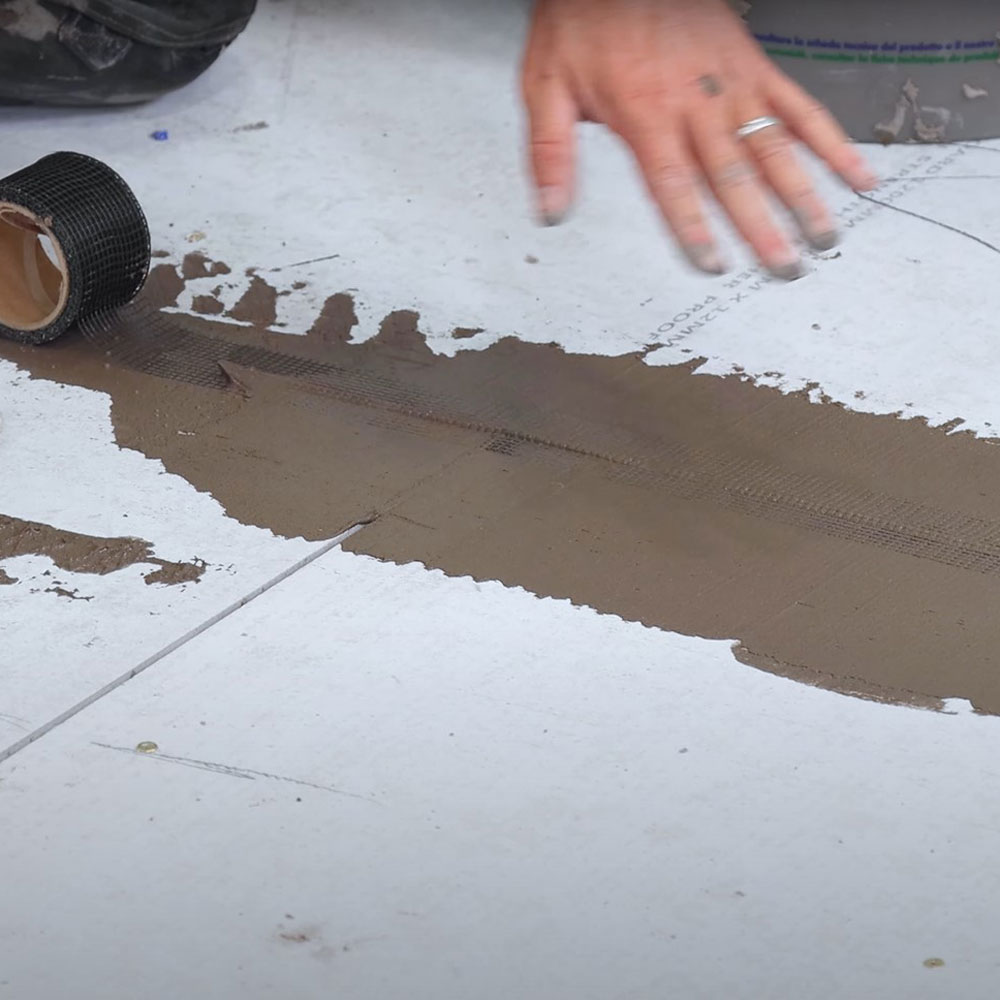
If you’re working on a project that involves concrete board, you probably already know it’s tough to cut. But what’s the best tool to make clean, precise cuts without ruining your board?
Choosing the right cutting method can save you time, effort, and frustration. You’ll discover exactly what to cut concrete board with, so your project goes smoothly from start to finish. Keep reading to find the tools and tips that will make your job easier and your results professional.
Types Of Concrete Boards
Concrete boards are used in many building projects. They provide a strong and stable base for tiles and other finishes.
There are different types of concrete boards. Each type has unique features and cutting needs.
Cement Backer Boards
Cement backer boards are made of cement and reinforcing fibers. They are water-resistant and strong.
These boards are often used in wet areas like bathrooms and kitchens.
Fiber Cement Boards
Fiber cement boards combine cement with cellulose fibers. They are durable and resist mold and fire.
- Used for exterior siding and interior walls
- Can be cut with carbide-tipped blades
- Require proper dust control when cutting
Magnesium Oxide Boards
Magnesium oxide boards are made from magnesium oxide and other materials. They are lightweight and eco-friendly.
| Feature | Magnesium Oxide Boards |
|---|---|
| Weight | Lightweight |
| Cutting Tools | Utility knife, fine-toothed saw |
| Uses | Walls, ceilings, fireproof panels |
Choosing The Right Cutting Tools
Cutting concrete board requires the right tools to ensure precision and safety. It’s important to choose tools that suit the task at hand.
Different tools have unique advantages for cutting through concrete board. Let’s explore the best options available.
Utility Knives
Utility knives are simple and effective for small cuts. They are ideal for thin boards where precision is key.
Scoring Tools
Scoring tools make straight lines for easier breaks. They are used to create a groove that guides the final cut.
- Best for straight cuts
- Lightweight and easy to handle
- Requires multiple passes for deep grooves
Circular Saws
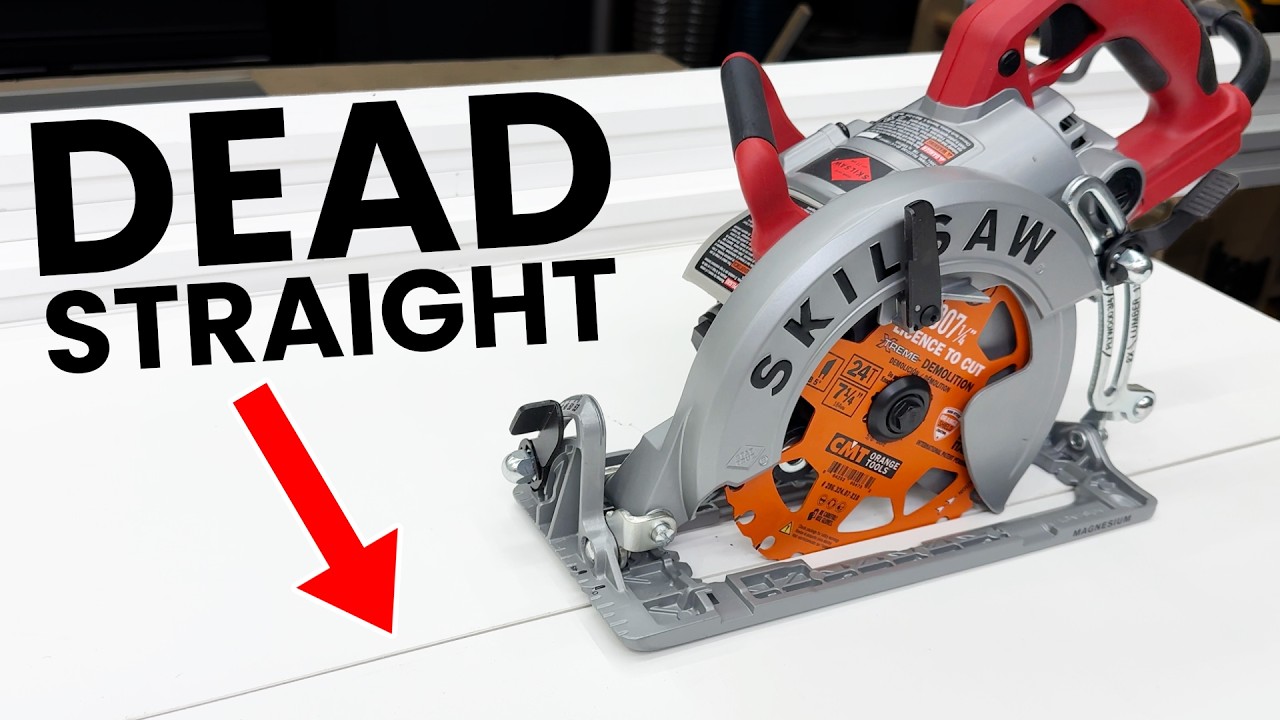
Circular saws are powerful and efficient for larger boards. They cut through thick material with ease.
| Feature | Benefit |
| High power | Quick cuts |
| Adjustable blades | Variety of depths |
| Safety guards | Protects user |
Angle Grinders
Angle grinders are versatile for both cutting and grinding. They handle thick boards and rough edges well.
Jigsaws
Jigsaws are flexible for curved cuts and intricate shapes. They offer precision where other tools might struggle.
Preparing For Cutting
Cutting concrete board requires careful preparation to get clean, accurate cuts. You need the right tools and a safe setup before you start.
Taking time to prepare helps avoid mistakes and keeps you safe during the cutting process.
Safety Gear Essentials
Concrete board dust can harm your lungs and eyes. Wear safety gear to protect yourself.
Use a dust mask or respirator to avoid breathing in fine dust. Safety glasses protect your eyes from flying chips. Gloves help keep your hands safe from sharp edges.
- Respirator or dust mask
- Safety glasses or goggles
- Work gloves
- Hearing protection if using power tools
Marking The Cut Lines
Marking the board clearly makes cutting easier and more accurate. Use a pencil or chalk to draw your cut lines.
Measure twice to avoid mistakes. Straight lines help guide your tools for clean cuts.
- Measure your cut dimensions carefully
- Use a straight edge or ruler for lines
- Mark both sides of the board if possible
- Double-check all measurements before cutting
Setting Up The Workspace
Choose a flat, sturdy surface to cut your concrete board. Keep your workspace clean and free from clutter.
Good lighting helps you see the cut lines clearly. Have a way to secure the board, like clamps, to stop it from moving while cutting.
- Work on a stable table or sawhorses
- Keep the area well-lit
- Clear space around your cutting zone
- Use clamps to hold the board steady
Cutting Techniques
Cutting concrete board requires the right technique to get clean edges. Using the correct tools and methods helps avoid damage.
This guide covers three common ways to cut concrete board safely and effectively.
Scoring And Snap Method
This method works well for thin concrete boards. You score a line with a utility knife, then snap the board along the scored line.
- Use a straight edge to guide the knife.
- Score deeply on one side of the board.
- Lift the board gently to snap it cleanly.
- Sand edges if needed to smooth rough spots.
Wet Cutting With Power Tools
Wet cutting uses water to cool the blade and reduce dust. It works well with circular saws or angle grinders fitted with diamond blades.
| Tool | Blade Type | Water Use |
| Circular Saw | Diamond Blade | Continuous water spray |
| Angle Grinder | Diamond Blade | Hand-held water source or wet vacuum |
Dry Cutting Tips
Dry cutting is faster but creates dust. Use these tips to stay safe and get good results.
- Wear a dust mask and eye protection.
- Use a diamond blade designed for dry cutting.
- Cut slowly to avoid overheating the blade.
- Work in a well-ventilated area.
Maintaining Tools For Clean Cuts
Cutting concrete board needs sharp and well-kept tools. Proper maintenance helps you make clean cuts easily.
Using the right care methods will extend your tool life and improve your work quality.
Blade Selection And Replacement
Choose blades made for concrete or masonry. These blades cut better and last longer.
- Check blade condition before each use.
- Replace blades if they are dull or chipped.
- Use the correct blade size for your tool.
- Keep extra blades ready for quick changes.
Tool Cleaning
Clean tools after each use to remove dust and debris. This keeps them working well.
| Tool Part | Cleaning Method |
| Blade | Wipe with a dry cloth |
| Motor and vents | Use compressed air |
| Handle and body | Wipe with a damp cloth |
Proper Storage
Store tools in a dry place to stop rust and damage. Keep blades covered and tools organized.
- Keep blades in blade cases or holders.
- Hang or place tools off the ground.
- Avoid stacking tools to prevent damage.
- Check stored tools regularly for any issues.
Credit: www.youtube.com
Common Cutting Mistakes To Avoid
Cutting concrete board needs the right tools and care. Mistakes can cause damage or injury. Knowing what to avoid helps get the job done safely and well.
This guide covers three common mistakes: using the wrong tool, ignoring safety, and rushing the cut.
Wrong Tool Selection
Using the wrong tool can damage the concrete board or cause poor cuts. Some tools are not made for cutting hard materials.
- Do not use a standard handsaw or wood saw.
- A circular saw with a diamond blade works best.
- A scoring knife can be used for thin concrete boards.
- A jigsaw is not recommended unless it has a special blade.
Improper Safety Measures
Cutting concrete board creates dust and sharp edges. Safety gear is important to protect your body.
| Safety Gear | Purpose |
| Dust Mask | Prevents inhaling harmful dust |
| Safety Glasses | Protects eyes from debris |
| Gloves | Prevents cuts and skin irritation |
| Long Sleeves | Protects arms from dust and cuts |
Rushing The Cut
Hurrying the cutting process can lead to uneven edges and accidents. Take time to cut carefully.
- Mark your cut line clearly.
- Use steady, slow movements with the saw.
- Do not force the blade through the board.
- Pause if the saw gets stuck or overheats.
- Check your progress often for accuracy.
Finishing Edges After Cutting
Cutting concrete board often leaves rough or sharp edges. Finishing these edges improves safety and appearance. Proper finishing also helps protect the board from damage.
This guide covers simple ways to finish edges after cutting concrete board. You will learn sanding techniques and edge sealing options to get a clean, smooth result.
Sanding Techniques
Sanding is important to smooth rough edges on concrete board. Use the right tools and methods for best results. Sand lightly to avoid damaging the surface.
- Start with medium-grit sandpaper (80-100 grit) on a sanding block or power sander.
- Sand the edges evenly until they feel smooth to touch.
- Use finer grit sandpaper (150-220 grit) for a softer finish.
- Wear a mask and goggles to protect from dust.
- Clean the dust off with a brush or cloth before sealing.
Edge Sealing Options
Sealing edges stops moisture and debris from entering the board. Choose the right sealant based on your project needs and environment.
| Sealant Type | Use | Drying Time |
| Latex caulk | Indoor edges, easy to apply | 1-2 hours |
| Silicone sealant | Water-resistant, good for bathrooms | 24 hours |
| Polyurethane sealant | Strong, durable for outdoor use | 6-12 hours |

Credit: www.bosch-pt.com.my

Credit: www.tilemountain.co.uk
Frequently Asked Questions
What Tools Are Best For Cutting Concrete Board?
The best tools for cutting concrete board are a score-and-snap knife, angle grinder, or circular saw with a diamond blade. These tools ensure clean cuts and reduce dust. Choose based on the project size and precision needed.
Can I Use A Utility Knife To Cut Concrete Board?
Yes, a sharp utility knife can score thin concrete boards effectively. Score deeply on both sides, then snap the board along the line. This method works best for small, straight cuts.
Is An Angle Grinder Safe For Cutting Concrete Board?
An angle grinder is safe if used with a diamond blade and proper protective gear. It provides precise, fast cuts but generates dust and sparks. Always wear eye protection and a dust mask.
How Do I Reduce Dust When Cutting Concrete Board?
To reduce dust, cut outdoors or in a well-ventilated area. Use wet cutting methods or attach a vacuum to your saw. Wearing a dust mask and goggles is essential for safety.
Conclusion
Cutting concrete board is easier with the right tools. Use a carbide-tipped scoring knife for clean, straight cuts. A circular saw with a diamond blade works well for larger jobs. Always wear safety gear to protect your eyes and lungs.
Take your time and score the board deeply before snapping it. This method saves effort and reduces dust. Choose the cutting tool that fits your project size and skill. Proper cutting makes your work neater and faster. Simple tools and careful steps lead to great results.