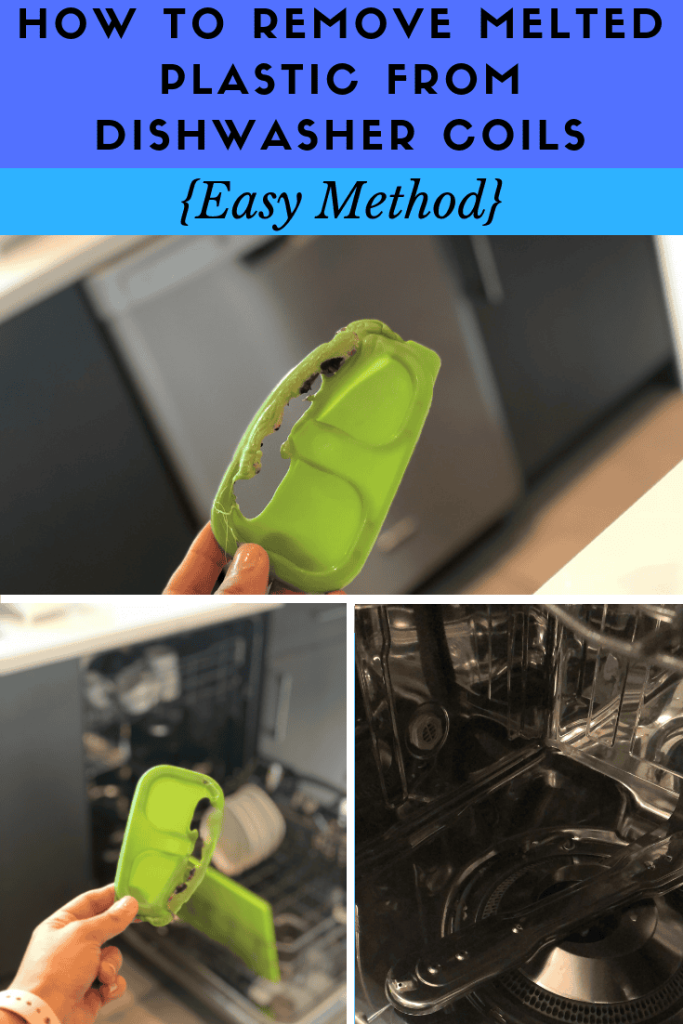
Imagine opening your dishwasher, ready to unload sparkling clean dishes, only to find a plastic mishap instead. It’s a scenario no one wants to face, but it happens more often than you might think.
Melted plastic not only leaves a sticky mess but can also affect the efficiency of your dishwasher and the safety of your utensils. So, what should you do when you’re faced with this kitchen conundrum? In this guide, you’ll uncover simple, effective steps to tackle this sticky situation.
Discover how to clean up the mess and prevent it from happening again, ensuring your dishwasher remains in tip-top shape. Ready to turn your plastic disaster into a dishwasher success story? Let’s dive in!

Credit: www.reddit.com
Signs Of Melted Plastic
Noticing melted plastic in your dishwasher can be frustrating and confusing. It’s not always obvious right away, but certain signs can help you identify if plastic has melted during a wash cycle. Recognizing these signs early can save you from further damage and help you clean up quickly.
Identifying Melted Plastic Residue
Melted plastic usually appears as sticky, shiny patches that didn’t belong before the wash. These spots might feel rough or rubbery to the touch and often cling stubbornly to racks, walls, or dishes.
You might see discoloration—like a cloudy film or uneven textures—that stand out against the usual dishwasher surfaces. Sometimes, the plastic residue looks like a thin, transparent layer, making it easy to miss unless you’re looking closely.
Have you ever run your finger over a dishwasher rack only to find an unexpected sticky spot? That could be melted plastic. It won’t wash away with a simple rinse and often needs gentle scraping or special cleaning products.
Common Areas Plastic Melts
Plastic often melts in areas closest to the heating element or where water temperature peaks. The bottom rack is a prime spot because it’s near the heating element in most dishwashers.
Look carefully at utensil holders and lower rack corners where small plastic pieces might touch hot surfaces. These areas tend to trap heat and cause plastic to soften and melt.
Another hotspot is the dishwasher’s heating element itself. If plastic falls onto it during a cycle, it can melt and fuse, creating a tough mess.
Do you check these specific areas after every wash? Making it a habit can help you catch melted plastic early and prevent permanent damage.

Credit: www.reddit.com
Immediate Steps To Take
Plastic melting inside the dishwasher can cause clogs and damage. Acting fast can reduce harm and keep your appliance safe. Follow these immediate steps to handle the situation carefully and effectively.
Turning Off The Dishwasher
Stop the dishwasher right away to prevent further melting. Press the power button or switch off the circuit breaker. This stops hot water and heat from spreading melted plastic. Avoid opening the door immediately to keep hot steam contained.
Removing Large Plastic Pieces
Wait for the dishwasher to cool down completely before touching anything inside. Use gloves to protect your hands from sharp edges. Carefully pick out large plastic chunks by hand. Avoid pushing pieces deeper into the drain or spray arms. Dispose of the plastic safely to prevent further mess.
Cleaning Melted Plastic
Cleaning melted plastic from your dishwasher can feel overwhelming, but acting carefully can save your appliance from lasting damage. The key is to remove the residue without scratching or harming the dishwasher parts. Let’s look at practical ways to get your dishwasher back to normal.
Using Hot Water And Soap
Start by filling a basin with hot, soapy water. Use a sponge or cloth soaked in this solution to soften the plastic residue gently. The heat and soap help break down the plastic, making it easier to remove without harsh scrubbing.
Try soaking the affected area for a few minutes before wiping. This can reduce the effort needed and prevent damage to the dishwasher’s surface.
Scraping Off Residue Safely
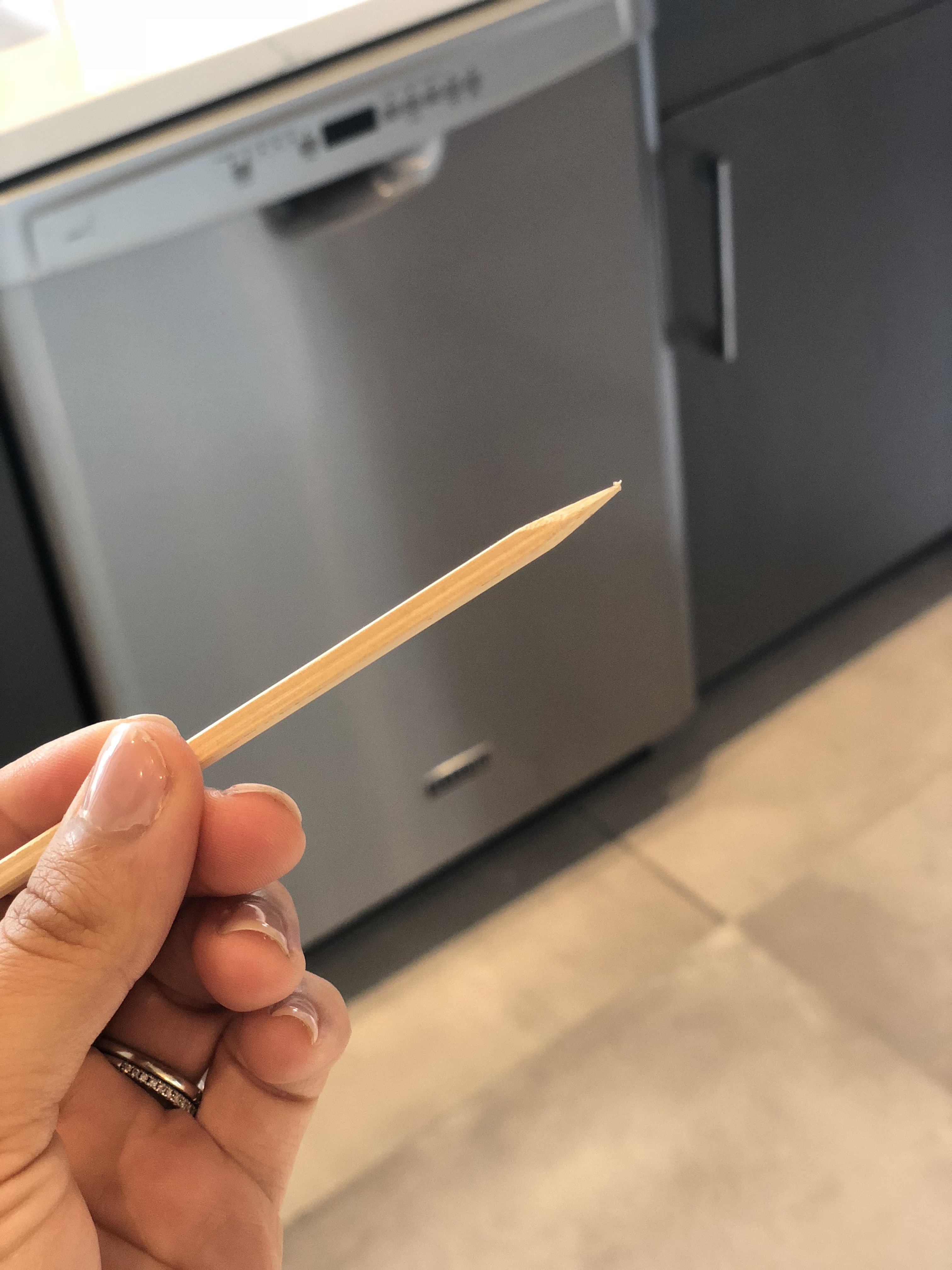
Once the plastic softens, use a plastic scraper or an old credit card to lift the residue. Avoid metal tools that can scratch or damage the dishwasher’s interior. Work slowly and carefully, scraping small sections at a time.
If the plastic is stubborn, reapply warm soapy water and let it sit again. Patience is crucial here to protect your dishwasher’s finish.
Avoiding Damage To Dishwasher Parts
Pay close attention to the heating element and spray arms while cleaning. Avoid applying too much pressure or using sharp objects near these components to prevent costly repairs. Disconnect the dishwasher from power before cleaning near electrical parts for safety.
Have you ever considered how a small mistake during cleanup could lead to bigger appliance issues? Taking your time and choosing the right tools protects your dishwasher’s lifespan and performance.
Preventing Future Melts
Preventing plastic from melting in the dishwasher saves money and avoids mess. Taking simple steps helps keep your plastic items safe and intact. Knowing which plastics are dishwasher-safe, loading them correctly, and adjusting settings reduces the risk of damage. Follow these tips to protect your plastic dishes and containers.
Choosing Dishwasher-safe Plastics
Check the bottom of plastic items for dishwasher-safe labels. Plastics marked with a number 1, 2, 4, or 5 are usually safe for dishwashers. Avoid plastics that are thin or not labeled. Use containers made from durable plastic designed to withstand heat. When in doubt, wash plastic items by hand.
Proper Loading Techniques
Place plastic items on the top rack only. The bottom rack is closer to heating elements and gets hotter. Do not overcrowd the dishwasher; this blocks water flow and causes uneven heating. Arrange items so water can reach all surfaces. Avoid placing plastics near the heating element or in direct contact with metal parts.
Adjusting Dishwasher Settings
Use a lower temperature setting to protect plastics. Select a gentle or eco-friendly cycle with cooler water. Skip the heated drying option, which can warp plastics. Air dry your dishes or use a towel instead. Regularly clean the dishwasher to ensure proper function and avoid overheating.
When To Call A Professional
Plastic melting inside a dishwasher can cause serious problems. Knowing when to call a professional helps prevent further damage. Some issues need expert attention to ensure safety and proper repair.
Signs Of Dishwasher Damage
- Burnt or melted plastic stuck in spray arms or filters
- Unusual noises during operation
- Water not draining properly
- Dishwasher not heating or drying dishes correctly
- Burning smell or smoke when running the dishwasher
- Visible damage to interior walls or heating element
Repair Vs Replacement Considerations
Small plastic pieces inside the dishwasher can sometimes be removed easily. If damage is limited to the interior, a repair may be enough.
Extensive damage to heating elements or electrical parts often requires replacement. Consider the dishwasher’s age and repair cost compared to buying new.
Professionals assess the problem accurately and suggest the best option. They ensure the dishwasher works safely after repair or replacement.
Credit: www.onesmileymonkey.com
Frequently Asked Questions
What Should I Do Immediately If Plastic Melts In Dishwasher?
Turn off and unplug the dishwasher immediately. Let it cool down to avoid burns. Carefully remove the melted plastic using a plastic scraper or soft cloth. Avoid using sharp tools that may damage the dishwasher’s interior.
How To Clean Melted Plastic Residue Inside Dishwasher?
Use a mixture of warm water and dish soap to scrub the residue gently. For stubborn spots, apply baking soda paste and let it sit before scrubbing. Rinse thoroughly to remove all cleaning agents and debris.
Can Melted Plastic Damage Dishwasher Components?
Yes, melted plastic can clog filters and damage heating elements. It may also cause unpleasant odors and reduce dishwasher efficiency. Address the issue quickly to prevent permanent damage and costly repairs.
Is It Safe To Run Dishwasher After Plastic Melts Inside?
No, avoid running the dishwasher until all melted plastic is removed. Running it can spread plastic debris, causing blockages and damage. Clean the appliance thoroughly before using it again.
Conclusion
Dealing with melted plastic in the dishwasher can be frustrating. Act quickly to clean the affected areas. Use gentle tools to avoid damage. Always check dishwasher settings before use. Choose dishwasher-safe plastics to prevent future problems. Regular maintenance helps keep your dishwasher working well.
Small steps save time and hassle later. Stay calm and follow safe cleaning tips. Your dishwasher will stay clean and safe to use.