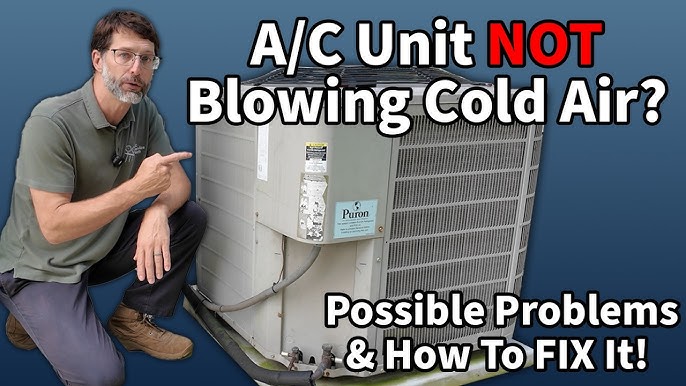
Is your air conditioner running but not cooling your home like it used to? That frustrating, warm air blowing out can turn any comfortable day into an uncomfortable one.
You want to feel cool and relaxed, not sticky and restless. But before you call for expensive repairs or rush to buy a new unit, there are simple steps you can take to fix the problem yourself. Keep reading, because understanding what’s wrong and how to fix it could save you time, money, and stress.
Don’t let the heat win—discover what to do if your air conditioner is not cooling right now.

Credit: supersavvy.in
Check The Thermostat Settings
Your air conditioner may not cool properly if the thermostat is set wrong. Checking the thermostat is an easy first step.
Make sure the thermostat settings match what you want. Small changes can help your AC work better.
Set To Cooling Mode
The thermostat must be in cooling mode for the air conditioner to cool. Sometimes it might be set to fan or heat by mistake.
Look for a switch or button labeled “Cool,” “Heat,” or “Off.” Choose “Cool” to start cooling your room.
Adjust The Temperature
Set the temperature lower than the current room temperature. If it is set too high, the AC will not turn on.
Try lowering the temperature by a few degrees to see if the air conditioner starts cooling.
- Check current room temperature on the thermostat
- Set temperature 3-5 degrees lower than room temperature
- Wait a few minutes to feel cooler air
Replace Old Batteries
If your thermostat uses batteries, old ones can cause wrong readings. This stops the AC from working properly.
Open the battery compartment and change the batteries if they are old or weak. Use fresh batteries for best results.
Inspect The Air Filter
An air filter keeps dust and dirt out of your air conditioner. If it is dirty, your AC won’t cool well. Checking the filter can fix many cooling problems.
Learn how to find, clean, or replace your air filter. Also, know how often to do this to keep your AC working well.
Locate The Filter
Find the air filter inside the air handler or furnace. It is usually near the return air duct. Look for a slot or panel you can open to see the filter.
Clean Or Replace The Filter
Some filters can be cleaned, and some must be replaced. Cleaning means removing dust with water or a vacuum. Replacing means buying a new filter and putting it in place.
- Turn off the AC before touching the filter.
- Remove the filter carefully to avoid spreading dust.
- If washable, rinse with water and let it dry completely.
- If disposable, throw away the old filter.
- Install the clean or new filter the right way.
Frequency Of Filter Maintenance
| Filter Type | How Often to Check | How Often to Replace or Clean |
| Standard fiberglass | Monthly | Every 1-3 months |
| Pleated | Monthly | Every 3 months |
| Washable | Monthly | Clean every 1 month |
| High-efficiency | Monthly | Every 6-12 months |
Examine The Outdoor Unit
The outdoor unit of your air conditioner plays a key role in cooling your home. If your AC is not cooling well, checking this unit is important.
Issues like dirt, damage, or blocked airflow can stop the unit from working properly. Look closely at the outdoor unit to find any problems.
Clear Debris And Obstructions
Dirt, leaves, and other debris can build up around the outdoor unit. This stops it from working well and cool air from flowing.
Remove any leaves, sticks, or grass near the unit. Keep the area around it clean and clear for the best performance.
- Clear at least 2 feet of space around the unit
- Trim plants and bushes nearby
- Remove any trash or objects blocking airflow
Check For Damaged Components
Look for broken or worn parts on the outdoor unit. Damaged components can stop the AC from cooling properly.
Check the fan blades, coils, and wiring. If you see cracks, rust, or loose wires, note them for repair.
- Fan blades should spin freely and not be bent
- Coils must be clean and free of rust
- Wires should be tight and undamaged
Ensure Proper Airflow
Good airflow helps the outdoor unit cool your home efficiently. Check that air can move freely through the unit.
Make sure vents and grills are not blocked or dirty. Proper airflow keeps the unit from overheating and improves cooling.
- Clean vents and grills regularly
- Keep the unit free from dust and dirt buildup
- Make sure nothing blocks the airflow path

Credit: medium.com
Test The Circuit Breaker
If your air conditioner is not cooling, the circuit breaker might be the problem. The breaker controls the power going to your AC unit.
Testing the circuit breaker is a simple way to check if power is reaching your air conditioner.
Locate The Breaker Panel
The breaker panel is usually inside your home. It is often in a basement, garage, or utility room.
The panel contains many switches. Each switch controls power to different parts of your house.
- Look for a metal box on a wall
- Check near the main entrance or service area
- It may have labels for different circuits
Reset Tripped Breakers
If the breaker switch for your air conditioner is off, it may have tripped. This stops power from reaching the AC.
To reset it, first turn the switch fully off. Then, flip it back to the on position.
- Turn off the breaker switch completely
- Wait a few seconds before turning it on
- Check if the air conditioner starts cooling
Prevent Future Trips
Frequent breaker trips can mean a bigger problem. Avoid overloading the circuit to keep it stable.
Use these tips to reduce future trips and keep your AC running smoothly.
- Do not plug too many devices into one outlet
- Schedule regular AC maintenance
- Replace old or damaged wiring
- Call a professional if trips continue
Check The Condensate Drain
The condensate drain removes water from your air conditioner. If it clogs, your AC may stop cooling. Checking this drain can fix many cooling problems.
This guide helps you find the drain line, clear blockages, and spot drainage issues early.
Identify The Drain Line
Look for a PVC pipe near the indoor unit of your AC. This pipe carries water outside your home. It usually runs from the evaporator coil to the outside or a drain pan.
You may see water dripping or pooling if the drain line is blocked.
Clear Clogs And Blockages
Clogs stop water from draining and cause leaks. Clear the drain line with these methods:
- Use a wet-dry vacuum to suck out dirt from the drain end.
- Flush the drain with a mixture of water and vinegar to dissolve algae.
- Check the drain pan and remove standing water.
- Use a flexible brush to gently clean inside the pipe.
Signs Of Drainage Issues
| Sign | What It Means |
| Water leaking inside the house | Clogged drain line or full drain pan |
| Musty smell near the AC unit | Standing water causing mold growth |
| AC stops cooling suddenly | Drain blockage causing system shutdown |
| Frequent water dripping sounds | Drain line is partially blocked |

Credit: veteranshvac.com
Inspect Refrigerant Levels
Your air conditioner cools your home by using refrigerant. This fluid absorbs heat and cools the air. If refrigerant levels are low, your AC may not cool well.
Checking refrigerant levels is an important step if your AC is not cooling. Low refrigerant can cause poor performance and damage to the system.
Signs Of Low Refrigerant
Low refrigerant causes your AC to lose cooling power. Watch for these signs:
- Warm air blowing from vents
- Longer cooling cycles
- Ice forming on AC coils
- Hissing or bubbling sounds near the unit
- Higher electricity bills
Why Refrigerant Leaks Occur
Refrigerant leaks happen because of wear and tear. Pipes and coils can develop holes or cracks over time. Poor installation or damage can also cause leaks.
Leaks reduce refrigerant levels and hurt your AC’s cooling. It is important to find and fix leaks quickly to avoid bigger problems.
When To Call A Professional
Checking refrigerant levels and fixing leaks requires special tools and skills. It is best to call a professional if you suspect low refrigerant.
A certified technician can safely check levels, find leaks, and recharge your system. Do not try to handle refrigerant yourself. It can be harmful and illegal to do so.
Assess Fan And Blower Function
Your air conditioner cools your home by moving air with a fan and blower. If these parts fail, the unit will not cool well.
Checking the fan and blower can help you find simple problems. You can fix many issues yourself.
Listen For Unusual Noises
Strange sounds may mean the fan or blower has a problem. Listen for rattling, grinding, or squealing noises near the unit.
These noises can signal loose parts, worn bearings, or debris caught in the blades.
Ensure Fan Is Running
Check if the fan turns when the air conditioner is on. If it does not spin, the fan motor might be broken or the power supply disconnected.
- Turn off the power to the unit.
- Remove the cover panel to see the fan blades.
- Try to spin the fan blades by hand. They should turn smoothly.
- If they do not move or feel stuck, the fan or motor may need repair.
- Restore power and watch if the fan starts automatically.
Clean Fan Blades
Dirty fan blades slow down airflow and reduce cooling. Dust and debris also cause imbalance and noise.
| Step | Action |
|---|---|
| 1 | Turn off the air conditioner and unplug it. |
| 2 | Use a soft brush or cloth to remove dust from blades. |
| 3 | Clean blades with mild soap and water if needed. |
| 4 | Dry the blades completely before reassembling. |
| 5 | Put the cover back and power the unit on. |
Use Temporary Cooling Solutions
When your air conditioner is not cooling, try temporary ways to stay cool. These methods can help you until the AC is fixed.
Using simple tools and changes around your home can lower the temperature. This keeps you comfortable without running the AC.
Fans And Portable Coolers
Fans and portable coolers move air to help your skin feel cooler. They use less energy than an AC and are easy to set up.
- Use ceiling or box fans to circulate air.
- Place portable coolers near you for direct cooling.
- Keep fans clean to improve airflow.
- Use a bowl of ice in front of a fan for cooler air.
Close Curtains And Blinds
Closing curtains and blinds blocks sunlight from heating your rooms. This stops heat from building up inside your home.
| Type | Benefit |
|---|---|
| Thick Curtains | Block more sunlight and heat |
| Light-colored Blinds | Reflect sunlight away |
| Window Films | Reduce heat without blocking light |
Limit Heat-generating Activities
Some home activities make your rooms warmer. Avoid or reduce these tasks to keep your space cooler.
- Cook outside or use a microwave instead of the oven.
- Turn off lights and electronics when not needed.
- Run dishwashers and laundry machines at night.
- Avoid using the dryer on hot days.
Frequently Asked Questions
Why Is My Air Conditioner Not Cooling Properly?
Your AC may not cool due to dirty filters, low refrigerant, or blocked vents. Check and clean filters regularly. Also, ensure vents are open and unobstructed for proper airflow.
How Do I Fix An Air Conditioner That Won’t Cool?
Start by cleaning or replacing air filters. Check thermostat settings and reset if needed. If the problem persists, inspect refrigerant levels or call a professional technician.
Can A Dirty Air Filter Cause Poor Cooling?
Yes, a dirty filter restricts airflow, reducing cooling efficiency. Regularly cleaning or replacing filters improves air quality and helps your AC cool your space better.
When Should I Call A Professional For Ac Issues?
Call a technician if cleaning filters and checking settings don’t help. Professional help is needed for refrigerant leaks, compressor problems, or electrical issues.
Conclusion
Don’t let a faulty air conditioner ruin your comfort. Check filters and vents for clogs. Listen for unusual noises that indicate issues. Reset the thermostat if needed. Clean the outdoor unit for proper airflow. Call a professional when simple fixes don’t work.
Regular maintenance prevents future problems. Enjoy a cool, comfortable home. Stay proactive and keep your air conditioner in top shape. This ensures efficiency and longevity. Taking small steps now saves big headaches later. Stay cool and stress-free with a well-maintained system.