
Imagine waking up to find no water coming from your well. Your taps run dry, and the cold winter air feels even harsher without running water.
If your well freezes, it can disrupt your daily life and cause serious damage if not handled quickly. But don’t panic—there are clear steps you can take right now to fix the problem and protect your home. Keep reading to learn exactly what you need to do if your well freezes, so you can get your water flowing again as soon as possible.
Credit: www.charlotteobserver.com
Signs Of A Frozen Well
Recognizing the signs of a frozen well early can save you a lot of hassle and potential damage. Your well is the lifeline for water in your home, and freezing can cut off that supply unexpectedly. Knowing what to look for helps you act quickly and avoid costly repairs.
No Water Flow
If you turn on your faucet and nothing comes out, it could mean your well is frozen. This isn’t the same as just running out of water; it’s a sudden stop in water flow. Check multiple taps to confirm it’s not a single pipe issue.
Have you noticed your water pressure dropping gradually before it stopped? That can be a warning sign too. A frozen well often leads to no water at all, so don’t ignore this red flag.
Unusual Sounds
Listen closely when you turn on the tap. If you hear strange noises like gurgling, banging, or humming, it might indicate ice blocking your pipes or pump. These sounds happen because water is struggling to move past frozen sections.
These noises can feel unsettling, but they’re a clue that your system is under stress. Paying attention to these sounds can prompt you to check your well before the problem worsens.
Frost On Pipes
Visible frost or ice on your well pipes is a clear warning sign. This usually happens outside near the wellhead or in exposed areas inside your property. Frost indicates that temperatures are low enough to freeze the water inside.
Don’t wait for the pipe to burst—frost should trigger immediate action. Regularly inspecting your pipes during cold spells can help you spot this early and prevent bigger issues.
Credit: iowahomeconsulting.com
Immediate Safety Measures
When a well freezes, acting fast keeps you and your home safe. Immediate safety measures help prevent damage and hazards. Knowing what to do first can stop small problems from getting worse.
Shut Off Electrical Supply
Cut power to the well pump right away. Frozen wells can cause electrical parts to short circuit. Turning off electricity lowers fire and shock risks. Use your home’s main breaker or switch for this.
Avoid Using Heat Sources Directly
Never apply direct heat like open flames or space heaters near the well. This can damage pipes or cause fire. Use safer warming methods like warm towels or gentle hairdryers from a distance. Keep heat sources away from flammable materials.
Check For Pipe Damage
Look for cracks or leaks in exposed pipes. Freezing water can burst pipes, causing flooding. Inspect pipes carefully without touching frozen areas too hard. Call a professional if you spot damage or hear unusual sounds.
Methods To Thaw A Frozen Well
Thawing a frozen well quickly restores water flow and prevents damage. Several safe and effective methods help melt the ice blocking your well pipes. Act carefully to avoid harming the well structure or causing leaks. Choose the right method based on your well’s setup and available tools.
Use Warm Water
Pour warm water slowly over the frozen pipe or well casing. Avoid hot water to prevent cracking from sudden temperature changes. Repeat the process gently until the ice melts. Warm water raises the temperature gradually, reducing the risk of damage. This method works best for small frozen sections near the surface.
Apply Heat Tape Or Heating Cables
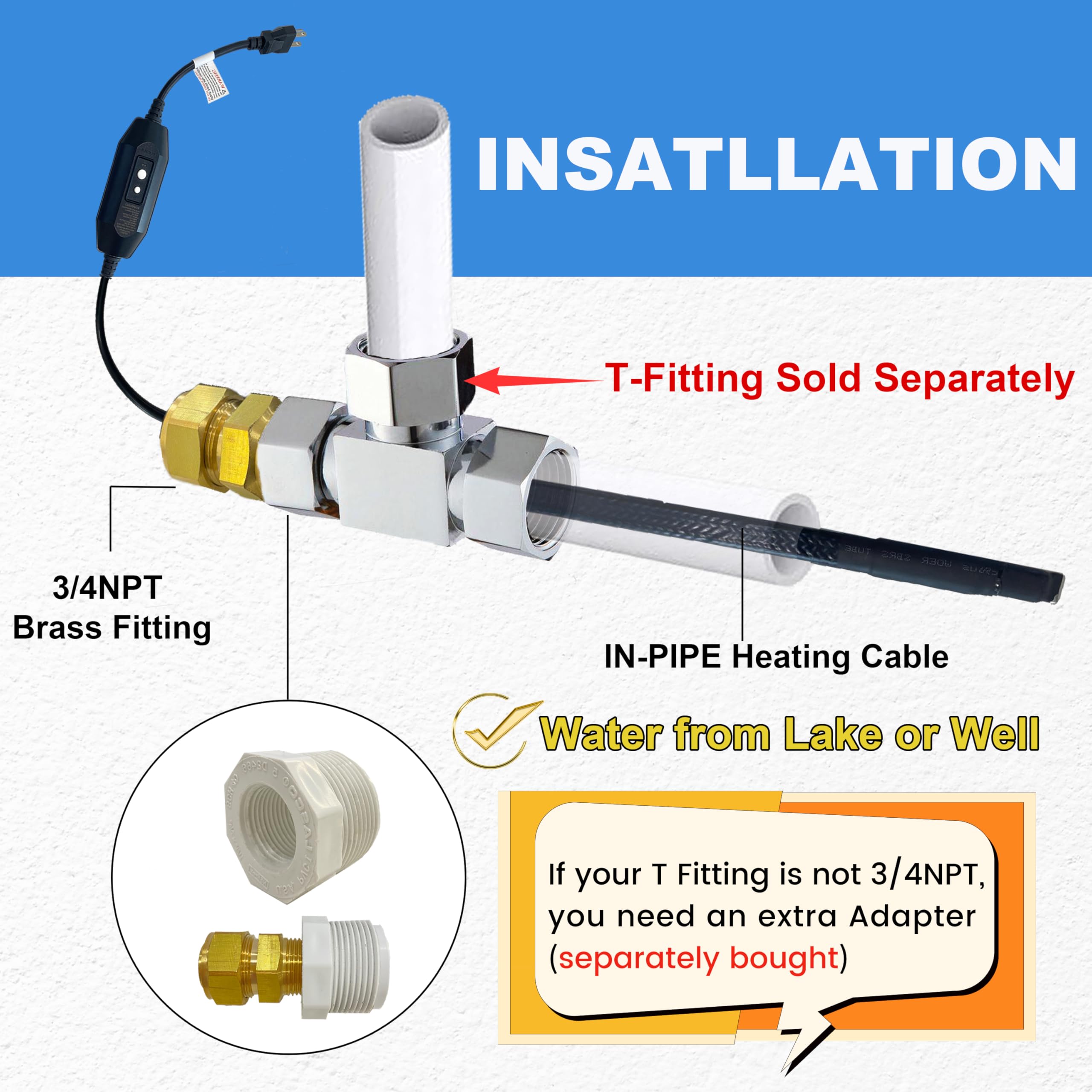
Wrap heat tape or heating cables around the frozen pipe. These electrical devices provide steady, controlled warmth. Follow the manufacturer’s instructions carefully to ensure safety. Secure the tape firmly and plug it in until the ice thaws. Heat tape is effective for long pipe runs and prevents refreezing.
Use A Heat Lamp Or Space Heater
Place a heat lamp or space heater near the wellhead or frozen area. Keep the device at a safe distance to avoid fire hazards. Direct warm air toward the pipe slowly to melt the ice. Monitor the process continuously to maintain safety. This method works well in enclosed spaces or well houses.
Preventing Future Freezes
Preventing your well from freezing again is key to avoiding costly repairs and water shortages. Taking proactive steps can protect your water supply through cold months and give you peace of mind. Let’s look at some effective ways to keep your well components safe from freezing temperatures.
Insulate Pipes And Well Components
Adding insulation around your pipes and well parts is one of the simplest ways to stop freezing. Use foam pipe sleeves, heat tape, or insulated blankets to cover exposed sections. Focus especially on pipes near the surface or in unheated areas like basements and crawl spaces.
I once noticed a small crack in an uninsulated pipe during winter, which led to freezing. After wrapping it with heat tape and adding insulation, I didn’t face the problem again that season. Are there any spots around your well that feel colder than others? Those are prime candidates for insulation.
Maintain A Consistent Water Flow
Letting your taps drip slightly during extreme cold can keep water moving and reduce freezing risk. Even a slow trickle helps prevent pressure build-up inside the pipes and keeps the water from standing still long enough to freeze. This method is simple but effective, especially on the coldest nights.
Think about your daily water use—can you leave a faucet open just a bit? If you have multiple cold nights in a row, this small effort can save you from major hassle. Just remember, this technique works best combined with other preventive measures.
Install A Well House Or Enclosure
Building a small structure around your well or pump adds a protective barrier against wind and cold air. A well house can be as simple as a shed or insulated box that shields equipment and pipes from freezing temperatures. Adding a heat source inside can further reduce freeze risk.
One homeowner I know installed a wooden enclosure with a thermostatically controlled heater. This kept their well running smoothly during harsh winters. Could a similar setup work for your property? Consider your climate, budget, and space to decide.
When To Call A Professional
Knowing when to call a professional is crucial if your well freezes. Some issues can seem minor but quickly turn into costly repairs if ignored. Understanding the signs that point to serious problems can save you time, money, and stress.
Persistent Freezing Issues
If your well keeps freezing despite your efforts to thaw it, it’s time to get expert help. Repeated freezing might indicate poor insulation or a deeper problem with the well structure. Professionals can assess and implement long-term solutions that go beyond temporary fixes.
Have you noticed your well freezing earlier each winter? This could signal worsening conditions that require professional attention to prevent damage.
Suspected Pipe Bursts
Frozen pipes can burst, leading to leaks or flooding. If you hear unusual sounds like cracking or see water pooling near your well, call a professional immediately. Handling burst pipes requires expertise to prevent further damage and ensure proper repairs.
Don’t wait for visible signs only—if your water pressure drops suddenly or your water runs cloudy, these might be early warnings of pipe issues.
Well Pump Malfunctions
Your well pump is a critical component that can suffer from freezing temperatures. If your pump stops working or runs erratically after a freeze, a professional should inspect it. Attempting to fix a malfunctioning pump on your own can lead to more damage or void warranties.
Have you checked your pump’s performance regularly? Early professional intervention can extend the life of your pump and keep your water flowing smoothly.
Credit: www.amazon.ca
Frequently Asked Questions
How Can I Tell If My Well Has Frozen?
Signs of a frozen well include no water flow, reduced pressure, or discolored water. Check exposed pipes for ice buildup. If water stops flowing suddenly during cold weather, your well may be frozen.
What Immediate Steps Should I Take If My Well Freezes?
Turn off the power to your well pump. Avoid using water to prevent pipe damage. Use safe heat sources like a hairdryer to gently thaw the frozen pipes. Call a professional if unsure.
How Can I Prevent My Well From Freezing Again?
Insulate exposed pipes and the wellhead with foam or heat tape. Keep the area around the well clear of snow. Maintain a slow drip of water during extreme cold to prevent freezing.
Is It Safe To Use A Space Heater To Thaw My Well?
Yes, but use it cautiously. Keep heaters away from water and flammable materials. Avoid open flames. Always monitor the thawing process to prevent fire hazards or pipe damage.
Conclusion
Dealing with a frozen well can be challenging. Quick action is key. Insulate your pipes to prevent freezing. Use a space heater to warm the area. Ensure your well pump has power. Regular maintenance helps avoid future issues. Consult a professional if problems persist.
They can provide expert guidance. Remember, preparation is the best defense. Protect your well to ensure a steady water supply. Stay informed and proactive. Your well-being depends on it.