Is your air conditioner suddenly covered in ice? It’s frustrating when your cool comfort turns into a frozen problem.
You might be wondering, “Why is my AC freezing up, and what should I do next? ” Don’t worry—you’re not alone, and this issue is fixable. Knowing the right steps can save you time, money, and the discomfort of a hot home.
Keep reading to find out exactly what you should do when your air conditioner freezes up, so you can get back to cool, refreshing air in no time.
Credit: serviceplusheatingcooling.ca
Causes Of Ac Freezing
Low refrigerant levelscause the AC to freeze. Refrigerant cools the air. Without enough refrigerant, coils get too cold and ice forms.
Dirty air filtersblock airflow. Dust and dirt stop air from moving freely. This makes the coils colder and causes freezing.
Blocked airflowhappens when vents or ducts are closed or blocked. Air cannot flow properly, so the system cools too much and freezes.
Thermostat settingsthat are too low can make the AC work too hard. This causes the temperature to drop too much, leading to frozen coils.
Mechanical issueslike a broken fan or faulty motor can stop air from moving. Without airflow, the AC can freeze up quickly.
Signs Of A Frozen Ac
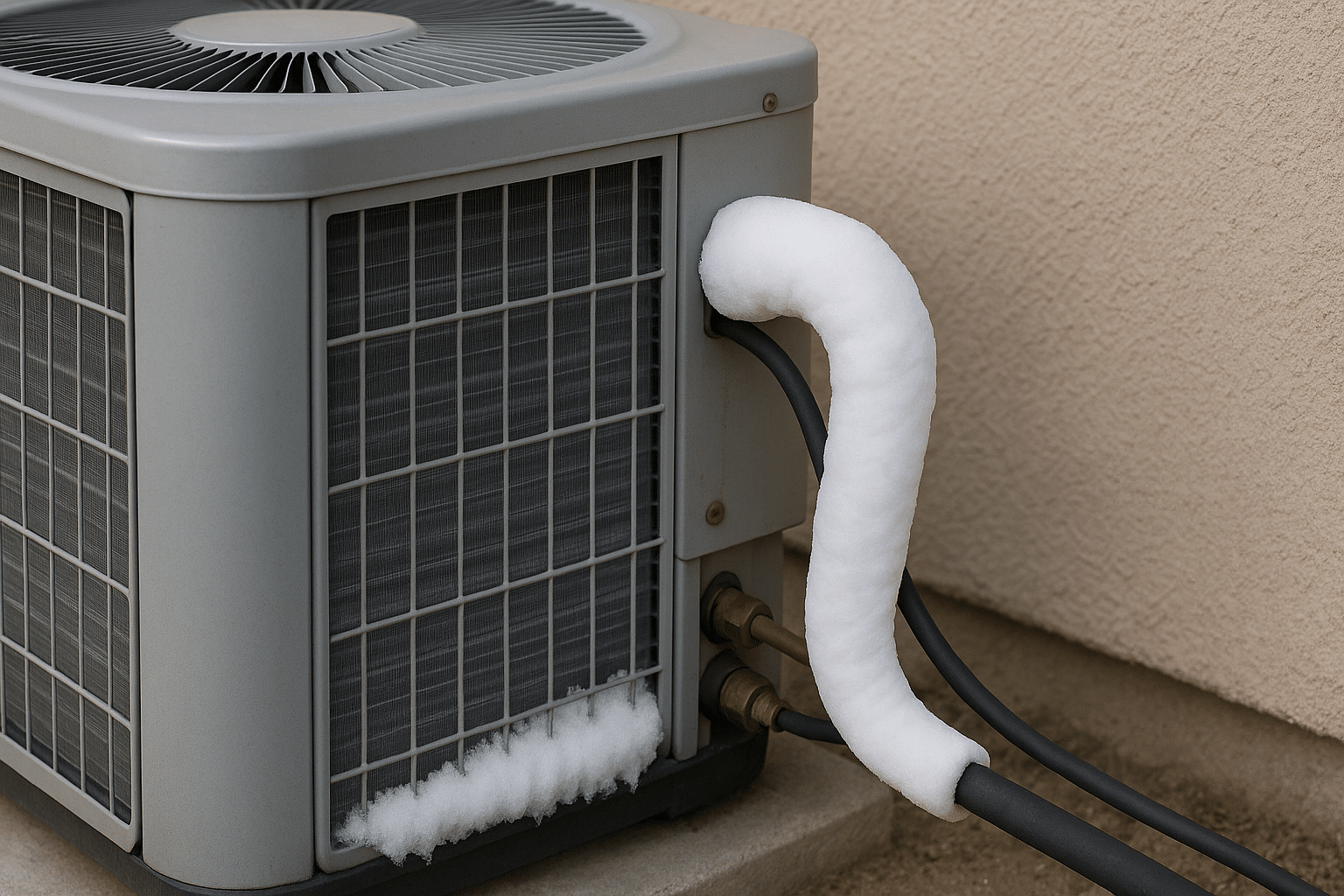
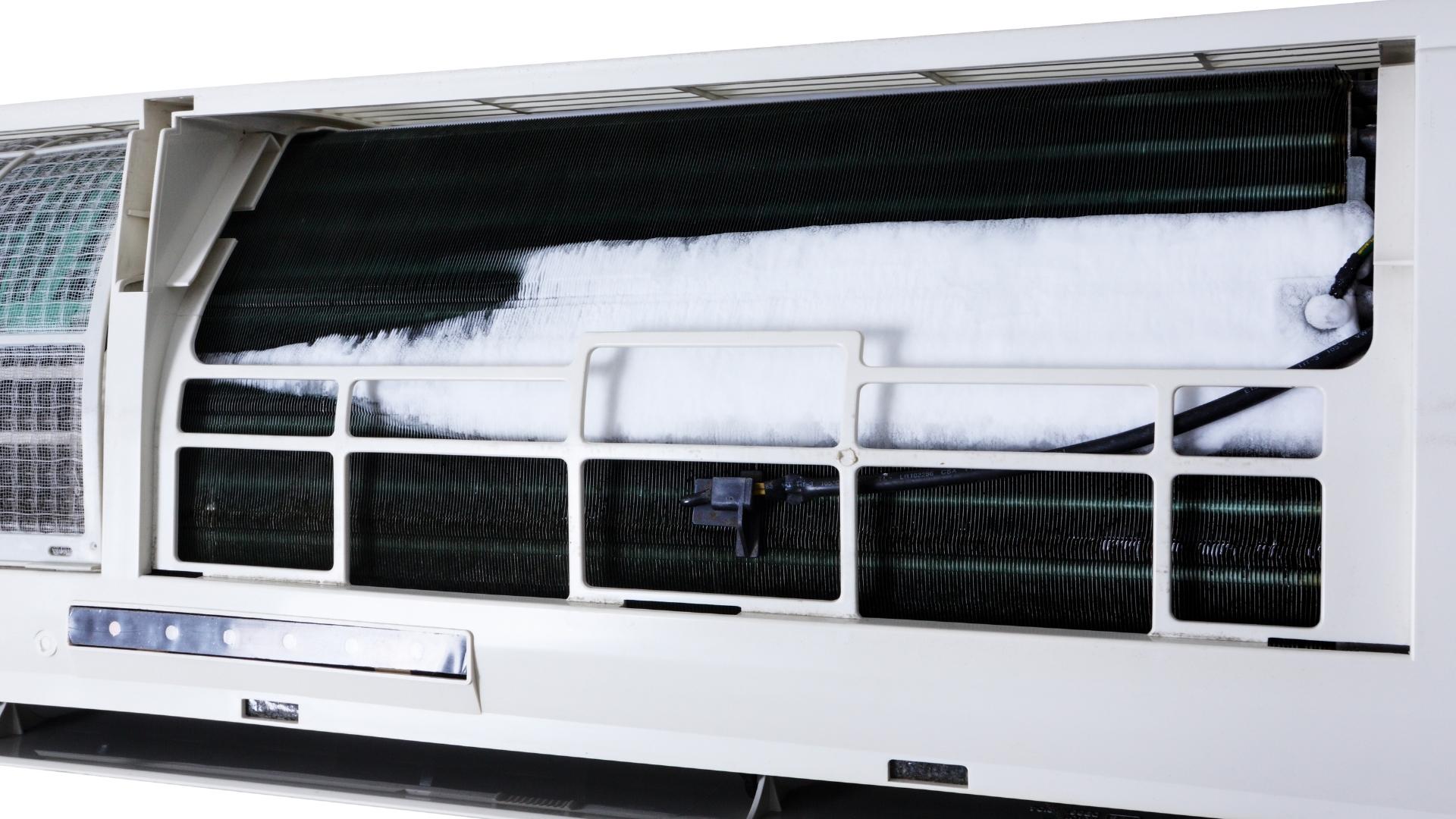
Ice formation on coilsis a clear sign of a frozen AC. You might see thick ice covering the metal parts. This ice blocks air flow and stops the AC from working well.
Reduced cooling efficiencymeans the room does not feel cold enough. The AC runs longer but does not cool the air properly. This can raise your electricity bill.
Unusual noisessuch as rattling or hissing come from the AC unit. These sounds can mean the system is struggling because of ice build-up.
Water leaksnear the indoor unit can happen as ice melts. Pooled water or drips around the AC may damage your floor or walls if not fixed.
Immediate Steps To Take
Turn off the ACimmediately to stop further freezing. This prevents damage and helps thaw the ice faster.
Switch to fan modeso air can circulate without cooling. This helps melt the ice without stressing the system.
Check the air filters. Replace dirty or clogged filtersto improve airflow. Clean filters help the AC work better and avoid freezing.
Clear all vents and registers. Remove any blockageslike furniture, dust, or debris. Good airflow stops ice from forming on the unit.
Quick Fixes To Try
Thawing the icecan be done by turning off the AC and letting the ice melt naturally. Use a fan to speed up the process. Never use sharp tools to chip away ice as this may cause damage.
Cleaning the evaporator coilhelps improve airflow and cooling efficiency. Dust and dirt block air and cause freezing. Use a soft brush or vacuum to gently clean the coil.
Adjusting thermostat settingsto a higher temperature can prevent the AC from running too long. This helps stop the coil from getting too cold and freezing up.
| Task | Why it helps | How to do it |
|---|---|---|
| Checking refrigerant levels | Low refrigerant causes freezing | Call a professional to check and refill |
Preventive Measures
Regular maintenancehelps keep the air conditioner working well. Change or clean filters often. This stops dust from blocking airflow. Check and clean the evaporator and condenser coils to avoid ice build-up.
Keep airflow clear by removing objects near vents and outdoor units. Blocked airflow causes parts to freeze. Make sure fans run smoothly and vents stay open.
Set the thermostat at a steady temperature. Avoid sudden changes or very low settings. This prevents the system from overworking and freezing.
Schedule professional inspections once or twice a year. Experts can find small problems early. They clean parts and check refrigerant levels to stop freezing issues.
Credit: www.thervgeeks.com
When To Call A Professional
Persistent freezing issuesoften signal deeper problems. Continuous ice buildup can damage your AC unit. A professional can find hidden faults causing this. They have tools to test and fix the system properly.
Refrigerant recharge needsrequire expert care. Low refrigerant levels cause freezing. Refilling refrigerant is not a simple task. Professionals ensure the right amount is added safely. They also check for leaks that cause refrigerant loss.
Complex mechanical repairsneed skilled hands. Frozen AC may mean broken parts or clogged coils. Fixing these needs special knowledge and tools. Professionals can replace or repair components to prevent future freezing.

Credit: www.shalom2u.com
Frequently Asked Questions
Why Does My Air Conditioner Freeze Up?
Air conditioners freeze up due to restricted airflow or refrigerant issues. Dirty filters or blocked vents can cause airflow problems. Low refrigerant levels or leaks can disrupt the cooling cycle, leading to freezing. Regular maintenance and timely inspections help prevent these issues, ensuring your air conditioner functions efficiently.
How Can I Prevent Ac From Freezing?
To prevent your AC from freezing, ensure proper airflow by cleaning or replacing filters regularly. Keep vents unobstructed and maintain adequate refrigerant levels. Schedule routine maintenance checks to detect potential issues early. Proper insulation and thermostat settings also contribute to preventing freezing.
What Should I Do If Ac Is Frozen?
If your AC is frozen, turn it off to allow thawing. Check and clean filters and vents for blockages. Ensure refrigerant levels are adequate. Contact a professional technician to inspect and resolve underlying issues. Avoid forcing the unit to operate, as it may cause further damage.
How Long Does It Take For Ac To Thaw?
Thawing a frozen air conditioner typically takes a few hours. Turn off the unit and let it defrost naturally. Ensure proper airflow by checking filters and vents. For quicker results, use a fan to circulate air around the unit. Avoid using heat sources to speed up thawing.
Conclusion
A frozen air conditioner needs quick attention to work well again. Turn off the unit to let the ice melt safely. Check the air filter and clean or replace it if dirty. Clear any blockages around the vents to improve airflow.
Regular maintenance helps prevent freezing issues. If problems continue, call a professional for a thorough check. Staying aware keeps your home cool and comfortable all summer. Don’t wait until the AC breaks down completely. Taking simple steps can save time and money.