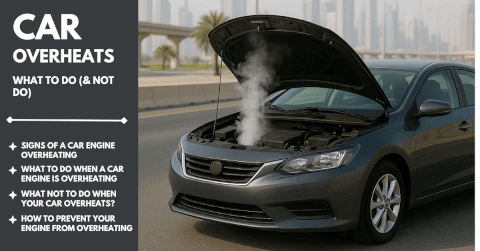
Your car overheating can be scary and stressful, especially when you’re on the road. But staying calm and knowing exactly what to do can save you time, money, and a lot of frustration.
You’ll discover simple, clear steps to handle an overheating car safely and quickly. Keep reading—your car and your peace of mind depend on it.
Signs Of An Overheating Car
Knowing the signs of an overheating car helps prevent serious damage. Cars can overheat quickly. Spotting early signs saves time and money. Pay attention to your car’s signals. They warn you before problems get worse.
Dashboard Warning Lights
Most cars have warning lights for temperature. A red or yellow thermometer icon means trouble. The check engine light may also turn on. These signals mean the engine is too hot. Stop driving immediately to avoid damage.
Steam And Smell
Steam from under the hood is a clear sign. It looks like smoke but is usually white. A strong, sweet smell may come from coolant leaks. This smell means coolant is burning or leaking. Pull over and open the hood carefully.
Temperature Gauge Spike
The temperature gauge shows engine heat. If the needle moves to the red zone, the engine is overheating. Watch the gauge while driving. A sudden spike means the cooling system is failing. Take action before the engine gets damaged.

Credit: collisiondocsandiego.com
Immediate Steps To Take
Pull over safely and turn off the engine to prevent further damage. Open the hood carefully to let heat escape and avoid burns. Allow the engine to cool before checking coolant levels or calling for help.
When a car overheats, quick action is essential. Acting fast can prevent engine damage. Below are immediate steps to take.Pull Over Safely
Find a safe spot to stop the car. Avoid stopping in traffic. Use your turn signal to alert other drivers. Pull over to the side of the road. Turn on your hazard lights. This warns others of your situation. Stay calm and remain inside the vehicle.Turn Off The Ac And Turn On Heater
Turn off the air conditioning immediately. It reduces engine strain. Next, switch on the heater. This draws heat away from the engine. It might feel uncomfortable but helps cool the engine. Do this until the temperature gauge lowers.Check Coolant Level
Wait for the engine to cool before checking. Open the hood carefully. Check the coolant reservoir level. If low, add coolant carefully. Use water as a temporary measure if needed. Do not open the radiator cap when hot. It can cause burns. Always follow safety precautions.Quick Fixes To Cool Down
Dealing with an overheating car can be stressful, especially when you’re on the road. Quick actions can prevent serious damage and get your engine back to a safe temperature. Here are some simple steps you can take immediately to cool down your vehicle and avoid costly repairs.
Add Coolant Or Water
If your temperature gauge is rising fast, adding coolant or water to the radiator can help lower the engine temperature. Make sure your car is completely cool before opening the radiator cap to avoid burns. Use a 50/50 mix of coolant and water for the best results, but if you’re in an emergency, plain water can serve as a temporary fix.
Have you ever found yourself scrambling for coolant on a hot day? Keeping a small bottle of coolant in your car can save you from a lot of trouble.
Open The Hood For Ventilation
Once you safely pull over, pop the hood to let the heat escape. This simple action allows hot air trapped in the engine bay to dissipate faster. It also helps the engine cool down quicker while you prepare for the next steps.
Remember, opening the hood immediately after shutting off the engine can speed up the cooling process—just watch out for steam or hot surfaces.
Inspect Radiator And Hoses
Check the radiator and hoses for leaks, cracks, or disconnections. A damaged hose or a leaking radiator can cause coolant to escape, leading to overheating. Feel the hoses carefully; they should be firm but not too hard or too soft, which can signal wear or damage.
Have you ever noticed coolant puddles under your car? It’s a clear sign that your cooling system needs attention before you drive further.
Credit: www.vertumotors.com
When To Call For Help
Knowing when to call for help is crucial during a car overheating situation. Some signs show that the problem is serious and needs professional attention. Acting quickly can prevent further damage to your vehicle.
No Improvement After Fixes
If you try simple fixes like turning off the AC or stopping the car, but the temperature stays high, call for help. Persistent overheating means the issue is deeper. Do not keep driving, as this can cause engine damage.
Leaking Fluids
Spotting coolant or other fluids under your car is a warning sign. Leaks often cause overheating and can be dangerous. Avoid driving and contact roadside assistance to inspect the leak safely.
Engine Noise Or Smoke
Strange noises from the engine or visible smoke signal a serious problem. These symptoms can mean severe engine trouble. Stop the car immediately and call a tow service or mechanic. Safety comes first.
Preventive Tips To Avoid Overheating
Preventing your car from overheating is easier than fixing it after the fact. Regular care keeps the engine cool and working well. Small checks and simple habits help avoid costly repairs and breakdowns.
Regular Coolant Checks
Coolant stops the engine from getting too hot. Check the coolant level often and top it up if low. Use the right type of coolant for your car. Replace old coolant based on the car manual’s schedule. Watch for leaks under the car that may lower coolant levels.
Maintain Radiator And Fans
The radiator pushes heat away from the engine. Keep it clean and free from dirt or bugs. Check radiator hoses for cracks or leaks. Make sure cooling fans turn on when the engine heats up. Faulty fans can cause rapid overheating.
Monitor Driving Conditions
Driving in heavy traffic or hot weather strains your engine. Take breaks during long trips to cool the engine. Avoid carrying extra heavy loads that make the engine work harder. Use air conditioning wisely, as it adds engine load. Slow down on hills to prevent overheating.
Credit: www.carsome.my
Frequently Asked Questions
What Immediate Steps Should I Take If My Car Overheats?
Pull over safely and turn off the engine immediately. Open the hood to let heat escape. Wait for the engine to cool before checking coolant levels or calling for help.
How Can I Prevent My Car From Overheating?
Regularly check coolant levels and inspect hoses for leaks. Maintain your radiator and fan belt condition. Avoid heavy traffic during hot weather when possible.
Is It Safe To Drive With An Overheating Car?
No, driving an overheating car can cause severe engine damage. Stop driving as soon as overheating occurs and address the issue before continuing.
Can Low Coolant Cause My Car To Overheat?
Yes, low coolant reduces the engine’s ability to stay cool. Regularly check and refill coolant to prevent overheating and maintain engine health.
Conclusion
Car overheating can cause serious damage if ignored. Stop the car safely and turn off the engine. Let the engine cool before opening the hood. Check coolant levels and look for leaks. Call for help if unsure or problems persist.
Regular car checks prevent overheating issues. Stay calm and act quickly to protect your vehicle. Simple steps can save time and money. Remember these tips for safer drives ahead.