Imagine this: you’re on the open road, the sun is blazing, and the promise of adventure fills the air. But suddenly, your RV’s AC starts acting up, and instead of a refreshing breeze, you’re met with an icy silence.
Your RV AC has frozen up. Frustrating, right? But don’t worry. You’re not alone, and there’s a solution. You’ll discover practical steps to take when faced with a frozen RV AC unit. We’ll guide you through the reasons this happens and how to fix it, ensuring you can get back to enjoying your travels with cool, comfortable air.
By the end, you’ll feel empowered and ready to tackle any AC issues on your journey. Curious about how to prevent this from happening again? Stick around, because we’ve got you covered.
Causes Of Rv Ac Freezing
RV air conditioners can freeze up due to several common problems. These issues stop the unit from cooling properly. Understanding the causes helps in fixing the problem quickly. Here are the main reasons your RV AC might freeze.
Low Refrigerant Levels
Refrigerant is vital for cooling in an RV AC. Low refrigerant causes the coils to get too cold. This leads to ice forming on the coils. Leaks or poor maintenance often cause low refrigerant. Without enough refrigerant, the AC cannot function well.
Dirty Air Filters
Air filters trap dust and dirt before air reaches the AC unit. Dirty filters block airflow and reduce cooling. This makes the coils colder than normal and ice can form. Clean or replace air filters regularly for proper airflow.
Blocked Airflow
Blocked vents or obstructions near the AC reduce airflow. Poor airflow causes the unit to work harder and freeze. Check for furniture or items blocking vents. Clear any debris from the AC intake and exhaust.
Thermostat Issues
A faulty thermostat can cause the AC to run too long or not cycle properly. This leads to freezing of the evaporator coils. Incorrect thermostat settings may also cause freezing. Test the thermostat and replace it if needed.

Credit: www.lippert.com
Signs Your Rv Ac Is Frozen
Recognizing the signs that your RV AC is frozen is key to preventing bigger problems. Ignoring these warning signals can lead to costly repairs and uncomfortable trips. Pay close attention to what your unit is telling you through its performance and sounds.
Ice On Evaporator Coils
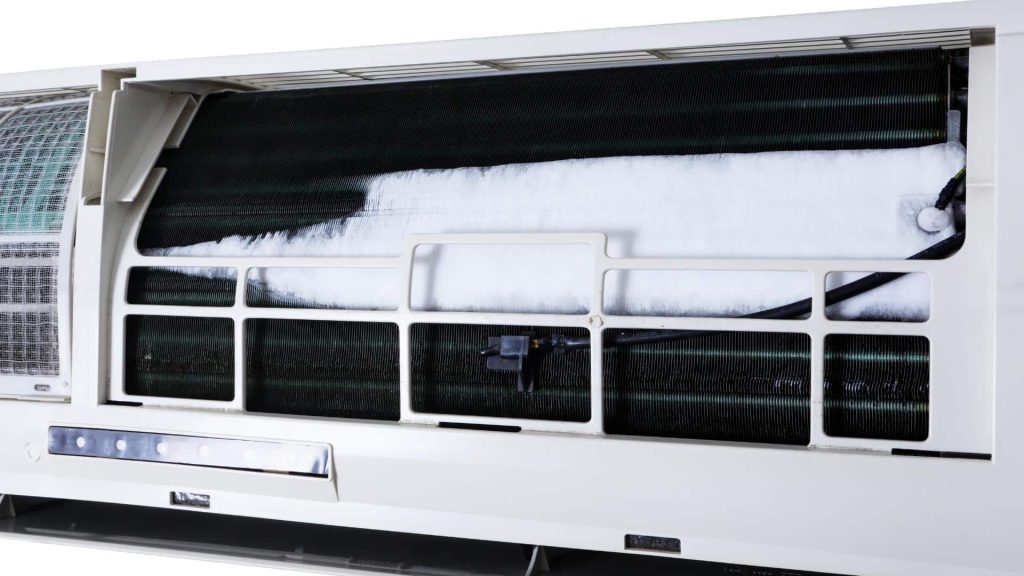
One of the clearest signs your RV AC is frozen is visible ice buildup on the evaporator coils. This ice restricts airflow and prevents the system from cooling properly. You might notice frost even when the unit is running, which shouldn’t happen under normal conditions.
Reduced Cooling Performance
Has your RV suddenly stopped feeling as cool, even though the AC is running? A frozen evaporator coil reduces the system’s efficiency, making it struggle to maintain the set temperature. You might find yourself turning up the thermostat without any improvement.
Unusual Noises
Listen closely to your AC unit. Frozen coils can cause your system to make strange sounds like gurgling or hissing. These noises indicate that something is off and the unit is working harder than it should.
Water Leakage
Water leaking inside your RV can be a surprising but common sign of a frozen AC. When the ice on the coils melts, excess water may drip where it shouldn’t, causing damp spots or puddles. This can damage interiors and lead to mold if left unchecked.
Immediate Steps To Thaw The Ac
Dealing with a frozen RV AC can be frustrating, especially on a hot day when you need it most. Acting quickly with the right steps can help thaw your unit and prevent further damage. Here’s what you should do immediately to get your AC back to cooling efficiently.
Turn Off The Ac
The first thing you should do is turn off the AC completely. Running it while frozen can strain the compressor and cause costly repairs. Give your unit time to defrost naturally by shutting it down for at least 30 minutes to an hour.
Switch To Fan Mode
After turning off the cooling function, switch your AC to fan mode. This helps circulate air without cooling and speeds up the thawing process. It also keeps your RV feeling somewhat comfortable while the ice melts away.
Use A Hair Dryer Carefully
If you want to speed up thawing, a hair dryer can help—but only if you’re cautious. Use it on a low heat setting and keep it moving to avoid damaging the AC components. Never apply high heat directly or stay too close to the coils, as that can cause more harm than good.
Check And Replace Air Filters
Frozen AC units often have clogged or dirty air filters restricting airflow. Take a moment to inspect your filters and replace them if they look dirty or clogged. Clean air filters improve airflow, reducing the chance of your AC freezing up again.

Credit: www.reddit.com
Preventing Future Freezing
Preventing your RV AC from freezing up again is key to enjoying comfortable trips without unexpected chills. Taking proactive steps can save you time, money, and frustration down the road. Let’s look at practical ways to keep your AC running smoothly and efficiently.
Regular Maintenance Tips
Regular checkups can catch small issues before they become big problems. Clean or replace air filters every few weeks during heavy use to avoid dirt buildup that strains your system.
Inspect the evaporator and condenser coils for dust and debris. A quick wipe down can improve cooling performance and prevent freezing.
Have a professional service your AC annually to check for hidden problems like leaks or worn-out parts.
Ensuring Proper Airflow
Blocked airflow is a common cause of freezing. Make sure vents and registers inside your RV are open and unobstructed by furniture or curtains.
Keep the outside unit clear of leaves, branches, or dirt that can limit air circulation. Even a small blockage can cause the system to overwork and freeze.
Have you noticed uneven cooling inside your RV? It might be time to adjust fan speeds or clean the blower fan to maintain steady airflow.
Monitoring Refrigerant Levels
Low refrigerant is another culprit behind AC freezing. Without enough refrigerant, the coils can get too cold, causing ice buildup.
Regularly check for signs like reduced cooling or hissing sounds, which could indicate leaks. Addressing these early keeps your system balanced and efficient.
Consider having a technician measure refrigerant pressure yearly to ensure optimal levels. Do you know when your last refrigerant check was?
Setting Thermostat Correctly
Setting your thermostat too low can cause your AC to work harder than necessary, increasing the risk of freezing. Aim for a comfortable but reasonable temperature, like 75°F (24°C).
Use a programmable thermostat if possible, so your AC isn’t running constantly when you’re not in the RV. This reduces strain and helps avoid ice buildup.
Try raising the temperature slightly if you notice ice forming. Small adjustments can make a big difference in preventing freezing.
When To Call A Professional
Knowing when to call a professional for a frozen RV AC is important. Some problems need expert tools and skills. Trying to fix certain issues alone may cause more damage.
Early help can save money and prevent discomfort during trips. Watch for signs that show the problem is beyond simple fixes.
Persistent Freezing Issues
If your AC freezes repeatedly despite basic care, call a professional. Constant freezing can point to deeper problems. Experts can inspect and diagnose the cause accurately.
Refrigerant Recharge Needs
Low refrigerant often causes AC freezing. Only certified technicians should handle refrigerant recharging. They check for leaks and refill the correct amount safely.
Electrical Or Mechanical Problems
Strange noises, tripped breakers, or no cooling may mean electrical or mechanical faults. Professionals test wiring, motors, and controls. These repairs require special knowledge and tools.

Credit: www.youtube.com
Frequently Asked Questions
Why Does My Rv Ac Freeze Up?
Your RV AC freezes due to restricted airflow or low refrigerant. Dirty filters, blocked vents, or a malfunctioning fan often cause freezing. Regular maintenance helps prevent this issue and keeps your AC running efficiently.
How Can I Quickly Thaw A Frozen Rv Ac?
Turn off the AC and switch to the fan mode to thaw ice. Allow air to circulate and melt the ice naturally. Avoid using sharp objects to remove ice, as this can damage the unit.
Can Dirty Filters Cause Rv Ac Freezing?
Yes, dirty filters block airflow, causing the evaporator coil to freeze. Clean or replace filters regularly to maintain proper airflow and prevent freezing. This simple step improves AC performance and prolongs its lifespan.
What Role Does Refrigerant Play In Ac Freezing?
Low refrigerant levels reduce cooling efficiency, causing coils to freeze. If your RV AC freezes repeatedly, have a professional check refrigerant levels. Proper refrigerant balance is essential for smooth AC operation.
Conclusion
An RV AC freezing up can disrupt your comfort quickly. Check the air filter and clean it regularly. Keep the thermostat at a steady temperature. Ensure good airflow around the unit. Turn off the AC for a while to let ice melt.
Regular maintenance helps prevent freezing issues. Simple steps can keep your RV cool and comfy. Stay prepared and enjoy your travels without worry. Taking care of your AC saves time and hassle. Don’t ignore small problems; fix them early. Your RV adventures deserve smooth, cool rides every time.