Your air conditioner stops working just when you need it most. The heat starts creeping in, and you’re left wondering what to do next.
It’s frustrating, stressful, and can quickly turn your day upside down. But don’t panic. You’ll discover simple, clear steps to take right away to get your AC back up and running. Keep reading—you’ll learn how to stay cool without breaking the bank or calling for expensive repairs.
Your comfort is closer than you think.
Common Air Conditioner Issues
Air conditioners can stop working for many reasons. Knowing common problems helps you fix them faster.
This guide covers four usual issues and what you can do if they happen.
No Cool Air
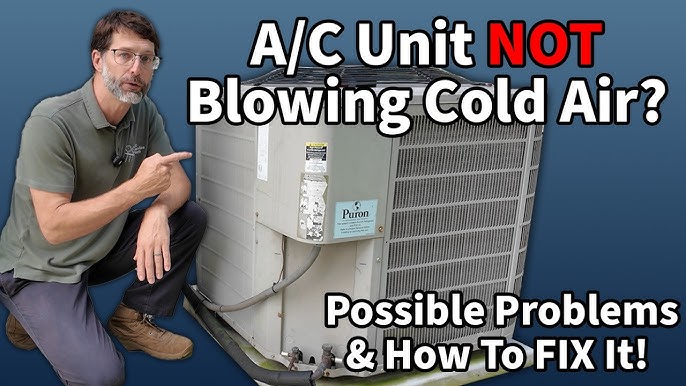
If your AC runs but does not blow cold air, it might be low on refrigerant. Dirty filters or blocked vents also reduce cooling.
Check the air filter and clean or replace it. Also, make sure vents are open and clear of obstructions.
- Dirty or clogged air filters
- Low refrigerant levels
- Blocked or closed vents
- Faulty compressor
Ac Won’t Turn On
If the air conditioner does not start, check the power supply first. A tripped breaker or blown fuse may cause this.
Make sure the thermostat is set to cool and the temperature is lower than the room temperature.
- Power outage or tripped circuit breaker
- Blown fuse
- Thermostat set incorrectly
- Faulty wiring or controls
Strange Noises
Unusual sounds like grinding, rattling, or squealing often mean a mechanical problem inside the AC unit.
Loose parts or worn-out components can cause these noises and should be checked by a technician.
- Loose or broken fan blades
- Worn motor bearings
- Debris inside the unit
- Loose screws or panels
Water Leaks
Water leaking from your air conditioner usually comes from a blocked drain line or frozen coils.
Clear the drain line and check for ice build-up. Regular maintenance prevents leaks.
- Clogged condensate drain line
- Frozen evaporator coils
- Damaged or rusted drain pan
- Improper installation
Credit: www.ahs.com
Basic Troubleshooting Steps
When your air conditioner stops working, you can try some simple checks. These steps may help you find and fix the problem.
Before calling a technician, follow these basic steps to see if you can restore cool air quickly and safely.
Check The Thermostat
Make sure your thermostat is set to “cool” mode. Check if the temperature is lower than the room temperature. Replace batteries if the display is blank. Sometimes, a simple reset can fix the issue.
Inspect The Power Supply
Check if your air conditioner is plugged in securely. Look for any loose or damaged cords. If you use a power strip, try plugging the unit directly into the wall outlet. Also, verify if the outlet is working by testing it with another device.
Replace Or Clean Filters
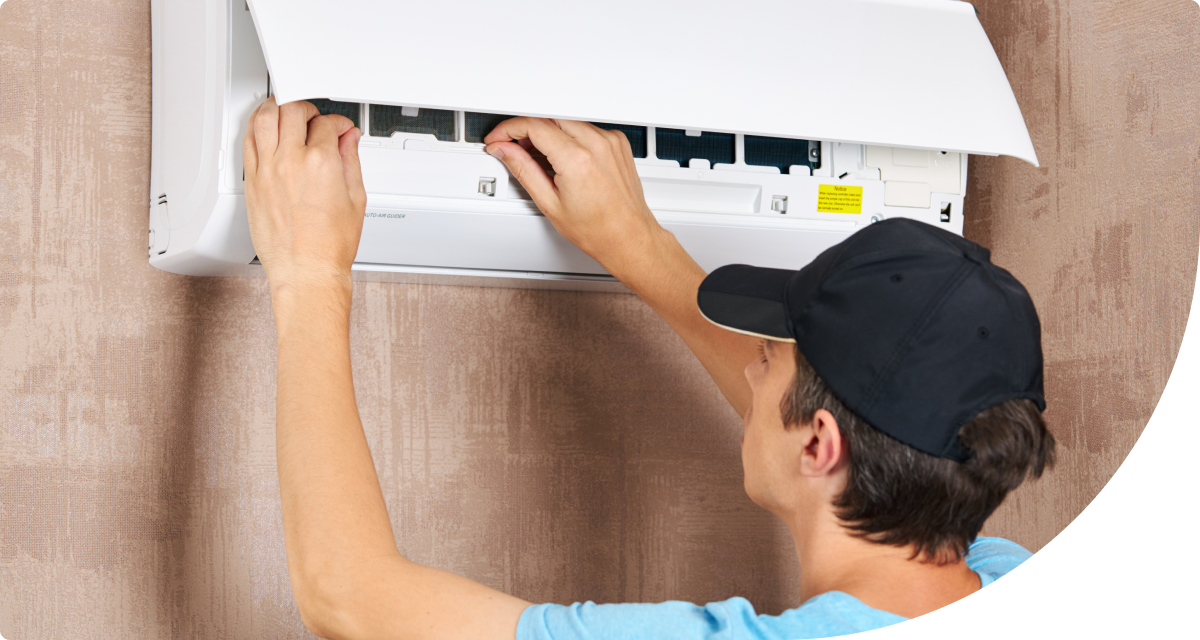
Dirty filters block airflow and reduce cooling. Clean or replace filters every one to three months. Here is a simple guide for filter care:
- Turn off the air conditioner before removing filters.
- Vacuum the filter to remove dust and debris.
- Wash washable filters with mild soap and water.
- Let filters dry completely before reinstalling.
- Replace non-washable filters if very dirty or damaged.
Examine Circuit Breakers
| Issue | Action |
|---|---|
| Breaker Tripped | Switch the breaker off and then on again. |
| Breaker Won’t Reset | Call a qualified electrician to inspect the panel. |
| Frequent Trips | Check for electrical faults or overloads. |
Quick Fixes You Can Try
If your air conditioner stops working, try simple fixes first. These easy steps can save time and money.
Follow the tips below to check your AC unit before calling a professional technician.
Reset The Ac Unit
Resetting your AC can fix minor electrical issues. Turn off the power at the breaker box. Wait for a few minutes, then turn it back on. This can restart the system and clear errors.
Clear Debris Around Unit
Debris around the outdoor unit blocks airflow and reduces cooling. Remove leaves, dirt, and grass from around the unit. Keep a 2-foot space clear on all sides for proper ventilation.
Straighten Bent Fins
Bent fins on the condenser reduce airflow and make the AC work harder. Use a fin comb or a small flat tool to gently straighten the fins. Be careful not to break them.
Clean Condenser Coils
Dirty coils reduce cooling efficiency. Clean them to help your AC run smoothly. Here is a simple table with tools and steps for cleaning the coils.
| Tool | Use | Steps |
| Soft brush | Remove dust and dirt | Brush gently along coil fins |
| Garden hose | Rinse off remaining dirt | Spray water at low pressure |
| Coil cleaner | Deep clean tough grime | Apply cleaner, wait, then rinse |

Credit: www.ars.com
When To Call A Professional
Air conditioners stop working for many reasons. Some issues you can fix yourself.
Other problems need a professional’s help to avoid damage or injury.
Refrigerant Leaks
Refrigerant leaks lower cooling performance. You may notice warm air or ice on the unit.
- Call a professional if you smell a strong chemical odor.
- Do not try to refill refrigerant yourself.
- Leaking refrigerant can harm the environment and your health.
Electrical Problems
Electrical faults can stop your air conditioner suddenly. It may trip circuit breakers or not turn on.
| Symptom | When to Call a Professional |
| Unit won’t start | Right away |
| Breaker trips often | Immediately |
| Burning smell | Do not use the unit, call now |
Compressor Issues
The compressor pumps refrigerant through the system. If it fails, cooling stops.
Call a professional if you hear loud noises or the unit keeps shutting off.
Frequent Breakdowns
If your air conditioner breaks down often, it needs a professional check.
Common signs to watch for:
- Unit stops working multiple times a month
- Repairs cost more than half the price of a new unit
- Cooling is weak even after repairs
Preventive Maintenance Tips
Keeping your air conditioner in good shape stops sudden breakdowns. Simple care helps it work well and last longer.
Follow these easy tips to avoid problems and save money on repairs.
Regular Filter Replacement
Change your air filter every one to three months. A clean filter keeps air flowing and improves cooling.
- Check the filter monthly during heavy use
- Replace it if it looks dirty or clogged
- Use the filter size recommended by the manufacturer
Schedule Annual Inspections
Have a professional inspect your system once a year. This helps catch small issues early and keeps your AC running smoothly.
- Check refrigerant levels
- Inspect electrical connections
- Test thermostat accuracy
- Clean evaporator and condenser coils
Keep Outdoor Unit Clean
Remove dirt, leaves, and debris from the outdoor unit. This lets air flow freely and helps the system cool better.
| Cleaning Task | Frequency |
|---|---|
| Clear leaves and branches | Monthly |
| Wash coils gently with water | Twice a year |
| Trim plants around unit | Monthly |
Monitor System Performance
Watch how your AC cools your home. Notice any strange sounds or weak airflow.
- Keep track of cooling times and temperatures
- Listen for unusual noises from the unit
- Check for water leaks or ice buildup
- Adjust thermostat settings for comfort

Credit: medium.com
Frequently Asked Questions
Why Did My Air Conditioner Stop Working?
There could be several reasons your air conditioner stopped. Common issues include power supply problems, a tripped breaker, or thermostat malfunctions. Sometimes, clogged filters or blocked vents can also lead to performance issues. Checking these components can help identify the problem quickly.
How Can I Reset My Air Conditioner?
Resetting an air conditioner is often simple. First, turn off the unit and unplug it. Wait for a few minutes before plugging it back in. Then, turn the unit back on. This process can resolve minor glitches and reset the system.
What Should I Check If My Ac Isn’t Cooling?
If your AC isn’t cooling, check the thermostat settings first. Ensure it’s set to “cool” mode. Examine the air filter for dirt or clogs. Dirty filters can reduce efficiency. Lastly, inspect the outdoor unit for any obstructions or debris.
When Should I Call A Professional For Ac Repair?
Call a professional if your AC shows signs of electrical issues, strange noises, or leaks. Persistent performance issues or frequent cycling also warrant professional help. Prompt attention can prevent further damage and ensure efficient operation.
Conclusion
A broken air conditioner can cause discomfort quickly. Start by checking simple issues like power and filters. Sometimes, a quick fix is all you need. If problems persist, call a trusted professional. Regular maintenance can prevent future breakdowns. Staying calm and acting fast keeps your home cool.
Remember, small steps save time and money. Keep your cool, even when your AC stops working.