Your air conditioner suddenly stops working, and the heat starts creeping in. It’s frustrating, uncomfortable, and you want a quick fix.
But what exactly should you do when your AC quits on you? Don’t panic. You’ll discover simple steps to take right away to get your cooling back on track. Keep reading to avoid costly mistakes and stay cool no matter what.

Credit: medium.com
Check The Power Supply
Check the main power supplyto the air conditioner first. Sometimes, a tripped circuit breakercan stop the unit from working. Locate the breaker box and see if the switch for the AC is in the “off” position. Flip it back to “on” if needed.
Verify the thermostat settings. Ensure it is set to “cool” mode and the temperature is lower than the room temperature. Replace batteries if the thermostat is not showing any display. A wrong setting or dead batteries can stop the AC from running.
Clean Or Replace Filters
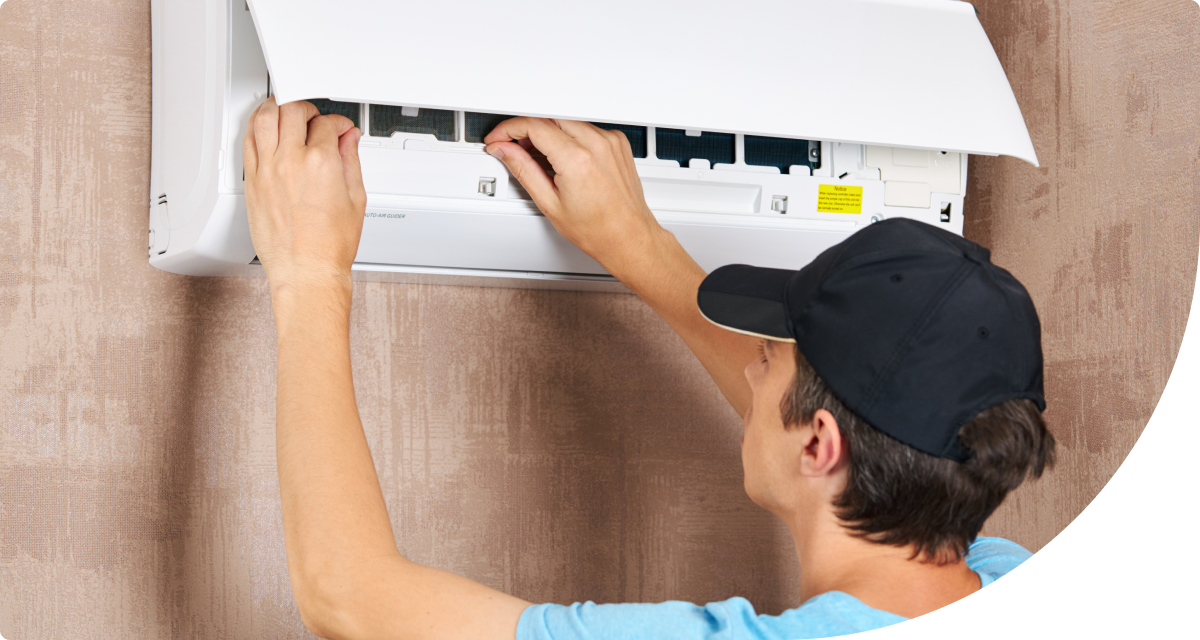
The air filter is usually found inside the air conditioner unit. Check near the return air duct or behind a front panel. Removing this panel carefully reveals the filter.
Cleaning or replacing the filter improves air flow and cooling. A dirty filter blocks air and strains the system.
- Turn off the air conditioner before starting.
- Remove the filter from its slot gently.
- If reusable, wash the filter with water and let it dry completely.
- If disposable, replace with a new filter of the same size.
- Reinstall the filter back into the unit correctly.
- Close the panel securely before turning the system on.
Examine The Outdoor Unit
Start by removing leaves, dirt, and other debris around the outdoor unit. Clear space helps the unit work better and stops damage. Check the area for any plants or objects blocking airflow.
Look at the fan blades for dirt or damage. Gently clean the blades to remove dust and grime. Dirty coils reduce cooling power and make the unit work harder. Use a soft brush or cloth to clean the coils carefully.

Credit: www.ars.com
Reset The Air Conditioner
Resetting the air conditioner can often fix simple issues. First, turn off the unit completely. Unplug it from the power source to ensure safety. Wait for about 5 minutes to let the system cool down. Plug the unit back in and turn it on.
This reset process helps clear minor electronic glitches. It gives the air conditioner a fresh start. Use the reset option on the remote or control panel if available.
- Try a reset if the unit does not turn on.
- Use reset if cooling stops suddenly.
- Reset after power outages or surges.
- Perform reset when the unit shows error codes.
Inspect The Drain Line
Drain line blockagesstop water from leaving the air conditioner. This can cause leaks and damage. Check the drain line by looking for water or mold near the unit. Use a flashlight to see inside the drain pipe. Dirt, algae, or debris often block it.
To clear the drain, first turn off the air conditioner. Then, use a wet/dry vacuum to suck out the clog at the drain line’s end. Another way is to pour a cup of white vinegar into the drain line. Let it sit for 30 minutes to kill mold and algae. After, flush the line with water to remove any loosened debris.
- Turn off the air conditioner before cleaning
- Use a vacuum to remove blockages
- Pour vinegar to kill mold
- Flush with water to clear debris
- Check regularly to prevent future clogs
Credit: www.ahs.com
Listen For Unusual Noises
Strange noises can tell a lot about your air conditioner’s health. Buzzingmight mean an electrical problem. A rattlingsound could point to loose parts inside. Squealingoften shows a worn-out belt or motor issue. Clicking noises might signal a problem with the compressor or fan.
Knowing these sounds helps to spot problems early. Some noises mean it’s safe to try simple fixes like cleaning the unit. Other sounds warn that professional help is needed.
| Noise Type | Possible Cause | Action to Take |
|---|---|---|
| Buzzing | Electrical issue | Turn off power, call a technician |
| Rattling | Loose parts | Check screws, tighten if safe |
| Squealing | Worn belt or motor | Schedule professional repair |
| Clicking | Compressor or fan problem | Seek expert help immediately |
Call a professional if noises persist after basic checks. Avoid running the unit with strange sounds. This prevents further damage and keeps everyone safe.
Check Refrigerant Levels
Low refrigerant can cause your air conditioner to stop cooling properly. Common signs of low refrigerantinclude warm air from vents, ice buildup on coils, and frequent cycling on and off. These signs show the unit struggles to keep cool.
Handling refrigerantrequires special tools and knowledge. Professionals check for leaks and refill refrigerant safely. Improper handling can harm the system or the environment.
Only licensed technicians should work with refrigerants. They follow rules and use the right safety gear to protect you and the AC unit.
When To Seek Expert Help
Common issuesthat need a technician include strange noises, leaks, or no cooling. Electrical problems or a frozen coil also require expert care. Simple tasks like changing filters or resetting a breaker can be done at home.
Choosing a reliable servicestarts with checking reviews and asking for licenses. Look for companies with good customer feedback and clear pricing. A quick response time and warranty on repairs are also important.
Frequently Asked Questions
Why Is My Air Conditioner Not Cooling Properly?
Your AC may not cool due to dirty filters, low refrigerant, or a malfunctioning compressor. Check filters first. If dirty, clean or replace them. Low refrigerant requires a professional’s help. Regular maintenance prevents these issues and improves cooling efficiency.
How Do I Reset My Air Conditioner?
To reset, turn off the AC unit and unplug it. Wait for about 5 minutes. Plug it back in and switch it on. This simple reset can clear minor electrical issues and restore normal function.
When Should I Call A Professional For Ac Repair?
Call a professional if your AC leaks water, makes loud noises, or doesn’t turn on. Also, seek help for refrigerant issues or electrical problems. Regular professional check-ups ensure safe and efficient AC operation.
Can I Fix A Frozen Air Conditioner Myself?
You can try turning off the AC to let ice melt. Check and replace dirty air filters. However, persistent freezing often indicates refrigerant or airflow issues needing professional repair.
Conclusion
A broken air conditioner can feel frustrating and uncomfortable. Start by checking simple things like power and settings. Cleaning or replacing filters often helps. When problems persist, calling a professional saves time and stress. Regular maintenance keeps your AC running smoothly.
Stay calm and take action step by step. Cool air will return soon enough. Remember, small checks can prevent big issues later. Keep your home comfortable all year long.