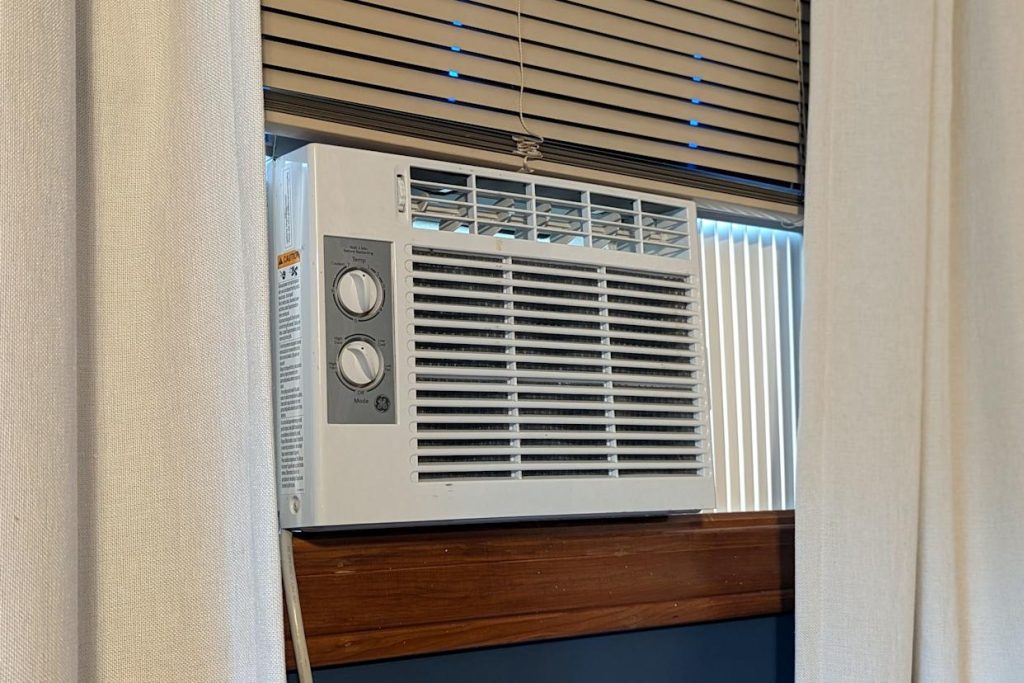
Is your old air conditioner just sitting there, taking up space? You might be wondering what to do with it instead of tossing it out.
Whether it’s broken, outdated, or replaced by a newer model, your old AC still holds value. You’ll discover smart and simple ways to handle your old air conditioner. From eco-friendly options to creative ideas, you’ll find solutions that save you money, help the environment, and even give your old unit a second life.
Keep reading—you won’t want to miss these practical tips!
Assessing Your Old Air Conditioner
Before deciding what to do with your old air conditioner, assess its current state. This helps you choose the best option for repair or replacement.
Checking the condition and functionality of your unit will guide your next steps. Careful evaluation saves time and money.
Check Condition And Functionality
Start by inspecting the air conditioner for physical damage like rust or broken parts. Listen for unusual noises when it runs.
Test if the unit cools the room efficiently. Check the thermostat and air filters for dirt or wear.
- Look for leaks or corrosion on the exterior
- Note any strange sounds during operation
- Measure the cooling output over time
- Inspect and clean air filters
- Check the thermostat settings and response
Identify Repair Vs Replace Options
Decide if fixing the air conditioner is worth the cost. Consider age, repair frequency, and energy use.
Older units may be less efficient and cost more in energy bills. New models often save money long-term.
- If repairs cost more than half the price of a new unit, replace it
- Frequent repairs suggest replacement
- High energy bills may mean an upgrade is better
- Minor fixes on newer units may extend their life
- Consult a professional for a detailed assessment

Credit: www.reddit.com
Safe Disposal Methods
Old air conditioners contain parts that can harm the environment. You need to dispose of them safely. Proper disposal protects nature and human health.
Many communities offer safe ways to get rid of old air conditioners. These options help recycle useful parts and handle dangerous materials correctly.
Local Recycling Programs
Local recycling programs accept old air conditioners for proper recycling. They break down the unit and reuse metals and plastics. This reduces waste in landfills.
Find your nearest program by checking with your city or town’s waste management service. Some programs offer pickup or drop-off options.
- Recycle metals like copper and aluminum
- Reuse plastic parts when possible
- Reduce harmful landfill waste
- Follow local rules for appliance recycling
Hazardous Material Handling
Air conditioners have refrigerants that can harm the ozone layer. Special care is needed to remove these chemicals safely. Only trained professionals should handle these materials.
Do not try to remove refrigerants yourself. Contact certified technicians or hazardous waste services to handle these parts. This prevents leaks and pollution.
- Refrigerants must be captured safely
- Oil and other fluids need proper disposal
- Certified experts handle hazardous parts
- Follow government rules for toxic waste
E-waste Collection Centers
E-waste centers accept old electronics, including air conditioners. They sort parts and recycle electronic components. This helps reduce harmful waste in the environment.
Check if your local e-waste center takes air conditioners. Many centers have set days or special events for large appliance drop-off.
- Drop off old air conditioners safely
- Recycle electronic parts properly
- Help prevent toxic waste pollution
- Use community e-waste events when available
Creative Reuse Ideas
Old air conditioners do not have to go to waste. You can reuse them in creative ways.
These ideas help you save money and reduce trash. You only need some basic tools and a little time.
Convert Into A Cooler Or Dehumidifier
You can turn an old air conditioner into a cooler for drinks or a small room. It can also dry air to reduce moisture.
Remove the compressor and fan carefully. Add ice or cold water in the cooling section to chill the air.
- Use ice packs to cool the air passing through the unit
- Add a container to catch water from condensation
- Use the fan to blow cool, dry air into the room
- Keep the unit plugged into a power source for the fan
Repurpose Parts For Diy Projects
Many parts inside an air conditioner are useful for DIY crafts. Fans, motors, and metal pieces can be reused.
Use these parts to build small machines, art projects, or tools at home. They are great for learning and creativity.
- Extract the fan blades for a small windmill project
- Use the compressor motor for robotics or electronics projects
- Recycle metal parts for sculptures or home decor
- Use wiring and switches for electrical experiments
Use As A Storage Or Planter Box
After cleaning, the outer shell can be a storage box. It can hold tools, toys, or craft supplies.
You can also turn the shell into a planter box. It gives plants a unique home and reuses space well.
- Remove the internal parts and clean the shell
- Add a liner with soil for planting flowers or herbs
- Use the air conditioner casing as a box for garage storage
- Paint or decorate the shell to match your style

Credit: www.youtube.com
Donating And Selling Options
Old air conditioners can still be useful to others. Instead of throwing them away, you can donate or sell them. This helps reduce waste and supports people in need.
Below are some ways to give your used air conditioner a second life through donations or sales.
Charity Organizations Accepting Appliances
Many charities accept working air conditioners. These organizations repair and give them to families who cannot afford new units. Donating helps the environment and supports the community.
- Goodwill Industries
- The Salvation Army
- Habitat for Humanity ReStores
- Local homeless shelters
- Community centers in hot climates
Online Marketplaces For Used Units
You can sell your old air conditioner online. Many websites connect buyers and sellers locally. Make sure to describe the unit’s condition and include photos.
| Marketplace | Key Feature | Tip |
| eBay | Wide audience | Set a fair price |
| Craigslist | Local buyers | Meet in safe public places |
| Facebook Marketplace | Easy listing | Respond quickly to inquiries |
| OfferUp | User ratings | Check buyer reviews |
Community Swap Events
Community swap events let people trade appliances and other goods. You may find someone who needs your air conditioner. These events build local connections and save money.
- Check local bulletin boards for event dates
- Prepare your unit by cleaning it
- Bring any manuals or parts
- Be ready to negotiate trades or sales
- Follow event rules and guidelines
Energy Efficiency And Environmental Impact
Old air conditioners use more electricity than new ones. This wastes energy and raises bills.
Properly handling old AC units helps protect the environment. It lowers pollution and saves resources.
Benefits Of Proper Recycling
Recycling old air conditioners keeps harmful chemicals from leaking. It also recovers metals and plastics for new products.
- Prevents refrigerant gases from harming the ozone layer
- Reduces landfill waste
- Saves raw materials by reusing metals
- Supports cleaner air and water
Reducing Carbon Footprint
Old air conditioners run less efficiently. They use more power and create more carbon emissions.
| Type of AC | Energy Use (kWh/year) | CO₂ Emissions (kg/year) |
| Old Model | 1500 | 1200 |
| New Energy Star Model | 900 | 720 |
Upgrading To Eco-friendly Models
New air conditioners use advanced technology to save energy. They reduce costs and protect the planet.
- Use refrigerants that do not harm the ozone layer
- Have better insulation and smart controls
- Lower electricity consumption
- Help improve indoor air quality
Professional Services To Consider
Old air conditioners need proper handling to keep homes safe and clean. Using professional services helps remove or recycle them correctly.
Experts know how to manage old units without harming the environment or your property. Here are some services to consider.
Certified Hvac Technicians
Certified HVAC technicians handle old air conditioners safely. They follow rules to remove refrigerants and parts.
These professionals can check if your unit can be repaired or if it needs replacement. They prevent leaks and damage.
Recycling Specialists
Recycling specialists break down old air conditioners to reuse materials. This reduces waste and protects the environment.
They separate metals, plastics, and refrigerants for safe disposal or reuse. This process follows environmental laws.
- Extract and recycle refrigerants safely
- Separate metals and plastics
- Dispose of hazardous parts properly
Pickup And Removal Services
Pickup and removal services offer easy ways to get rid of old air conditioners. They come to your home to collect the unit.
These services save time and ensure proper disposal. They work with recycling centers or technicians for safe handling.
- Schedule a pickup at your convenience
- Safe transport of the old unit
- Proper disposal or recycling
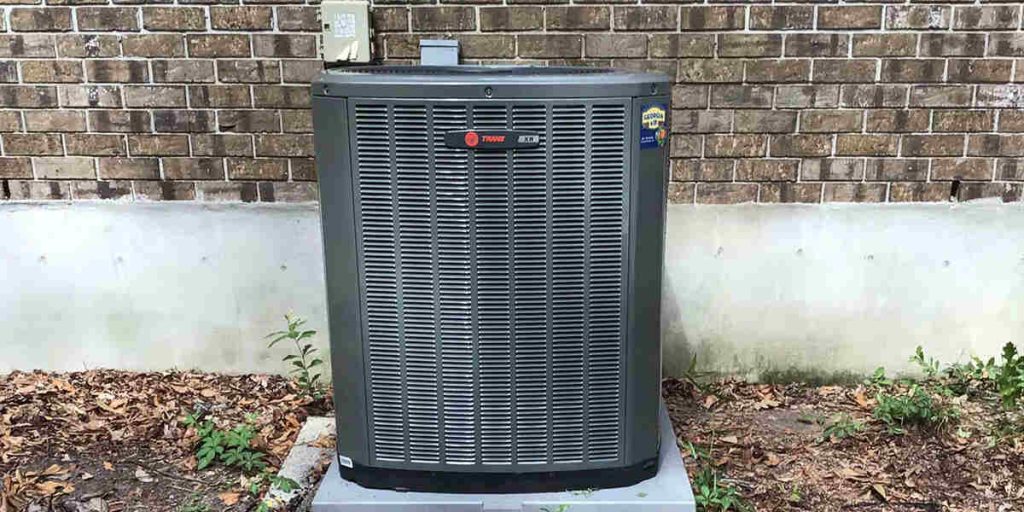
Credit: www.georgiaairrepair.com
Frequently Asked Questions
How Can I Safely Dispose Of An Old Air Conditioner?
You can take your old air conditioner to a certified recycling center. Many centers handle refrigerants and metals safely. Avoid throwing it in regular trash to protect the environment and comply with regulations.
Can I Sell My Old Air Conditioner For Money?
Yes, you can sell your old air conditioner if it’s still functional. Online marketplaces and local buyers often seek used units. Ensure the unit works well and provide accurate details to attract buyers.
What Are Eco-friendly Ways To Recycle Old Ac Units?
Eco-friendly recycling involves removing harmful refrigerants and reclaiming metals. Many recycling centers specialize in safely dismantling AC units. This reduces landfill waste and prevents toxic leaks, protecting the environment.
Is It Worth Repairing An Old Air Conditioner?
Repairing an old air conditioner depends on its age and condition. If repair costs exceed half the price of a new unit, replacement is better. Regular maintenance can extend its life but may not fix major issues.
Conclusion
Old air conditioners can find new life in creative ways. Donate to a charity or recycling center. Selling them online is another practical option. You can even repurpose parts for DIY projects. Each choice benefits the environment and community. Explore local disposal options to avoid landfill waste.
Making thoughtful decisions helps reduce clutter and supports sustainability. Every small action can make a big difference. So, choose wisely and contribute positively. Your old air conditioner deserves a responsible farewell.