Winter can feel like a quiet time for your garden, especially when it comes to raised beds. But what if you could turn this season into an opportunity to prepare, protect, and even improve your garden?
Knowing exactly what to do with your raised garden beds in winter can save you time, effort, and frustration when spring arrives. You’ll discover simple, effective steps to keep your soil healthy, prevent damage, and get your garden ready to thrive.
Keep reading—your raised beds will thank you come planting season.

Credit: www.homesandgardens.com
Preparing Soil For Winter
Winter can be tough on your raised garden beds. Preparing the soil now helps protect it. Good preparation keeps soil healthy for spring planting.
Taking simple steps in fall improves soil structure. It also reduces pests and diseases that hide in old plant material.
Clearing Plant Debris
Remove all dead plants and leaves from your raised beds. This stops bugs and fungi from growing in winter. Clear debris also helps air and water reach the soil.
- Cut back tall plants close to the soil
- Pull out roots and stems left in the bed
- Dispose of diseased plant parts away from the garden
- Rake soil surface to break up crusts
Adding Compost And Mulch
Adding compost feeds the soil with nutrients. Mulch keeps soil warm and stops it from drying out. Both protect soil life during cold months.
| Material | Purpose | How to Use |
| Compost | Improves soil nutrients and texture | Spread 2-3 inches over soil, then mix lightly |
| Mulch (straw, leaves) | Protects soil from cold and moisture loss | Cover compost with 3-4 inches, avoid packing tightly |
Credit: www.gardenary.com
Protecting Raised Beds From Cold
Winter can be harsh on your raised garden beds. Protecting them ensures healthy soil and ready planting in spring.
There are simple methods to shield your raised beds from cold temperatures. These methods keep your garden productive year-round.
Using Row Covers And Tarps
Row covers and tarps are easy ways to insulate your raised beds. They help trap heat and prevent frost damage.
- Choose breathable fabric for row covers.
- Secure tarps with rocks or stakes to withstand wind.
- Remove covers during sunny days to avoid overheating.
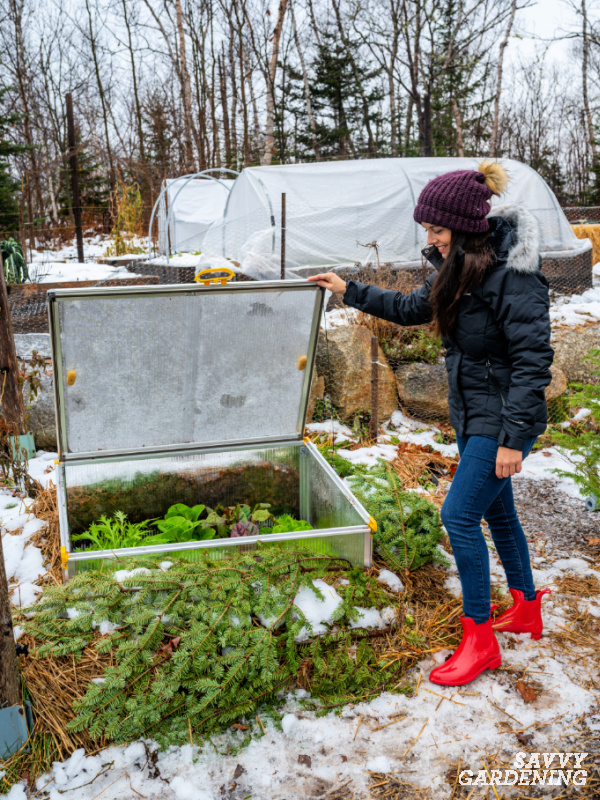
Building Cold Frames
Cold frames are mini-greenhouses that provide extra warmth. They are ideal for extending the growing season in raised beds.
Materials needed for a simple cold frame:
- Old window or clear plastic for the top
- Wooden boards or bricks for the sides
- Hinges, if using a window
Position cold frames facing south for maximum sunlight. This setup ensures plants receive enough warmth during chilly days.
Maintaining Moisture Levels
Raised garden beds need care in winter to keep soil moisture steady. Cold weather can dry out soil or cause water to freeze.
Proper moisture helps plants survive and keeps soil healthy for spring planting.
Watering Strategies In Winter
Water less often but deeply to avoid dry soil. Check moisture by feeling soil an inch below the surface.
- Water early in the day to let soil absorb moisture before freezing.
- Use mulch to keep moisture in and protect soil from cold.
- Avoid watering when the ground is frozen to prevent ice damage.
- Use rainwater or unfrozen water for best results.
Preventing Soil Erosion
Winter winds and rain can wash away soil from raised beds. Protect your soil with these methods.
| Method | Description |
|---|---|
| Mulching | Cover soil with leaves or straw to block wind and water. |
| Plant Cover Crops | Grow hardy plants to hold soil in place and add nutrients. |
| Use Barriers | Place wooden boards or stones around beds to stop soil loss. |
| Reduce Water Flow | Create small trenches to direct water away from beds. |

Credit: savvygardening.com
Planning For Next Season
Winter is the perfect time to prepare your raised garden beds for the next growing season. Taking time now helps your garden grow better plants later.
Planning includes thinking about what to plant, testing your soil, and adding needed nutrients. This care will save you time in spring.
Crop Rotation Ideas
Crop rotation means changing what you plant in each bed every year. This helps stop pests and keeps the soil healthy.
Try to avoid planting the same family of plants in the same spot. For example, after tomatoes, plant leafy greens or root vegetables.
- Plant legumes like beans or peas to add nitrogen to the soil
- Follow heavy feeders like corn with light feeders like carrots
- Rotate root crops with leaf crops to balance nutrient use
- Avoid planting the same crop family in one bed for two years
Soil Testing And Amendments
Testing your soil shows what nutrients it needs. You can buy simple kits or send samples to a lab.
Based on test results, add organic matter like compost or specific minerals to fix soil problems. This keeps your plants strong.
- Check soil pH to see if it is too acidic or alkaline
- Add lime to raise pH or sulfur to lower pH if needed
- Use compost to improve soil structure and add nutrients
- Apply balanced fertilizers based on nutrient deficiencies
Dealing With Pests And Diseases
Winter can be tough on raised garden beds. Pests and diseases may hide in the soil or dead plants.
Taking care of your garden beds now helps keep them healthy for spring planting.
Winter Pest Control Tips
Many pests stay in your garden beds during winter. Removing their hiding spots helps reduce problems.
Use natural ways to keep pests away without harming your soil or plants.
- Clear away fallen leaves and plant debris
- Cover beds with mulch to protect soil
- Use row covers to block pests
- Encourage beneficial insects like ladybugs
- Rotate crops to prevent pest buildup
Removing Diseased Plants
Diseased plants can spread problems to healthy ones. It is important to remove them quickly.
Check your raised beds regularly for signs of disease. Take action to protect the soil and other plants.
- Look for spots, mold, or wilting on plants
- Cut and remove infected plants carefully
- Do not compost diseased plant material
- Dispose of removed plants in trash or burn safely
- Clean tools after use to avoid spreading disease
Tools And Equipment Storage
Winter is the perfect time to store your garden tools safely. Proper storage keeps tools in good shape for next spring.
Raised garden beds need extra care. Organizing tools helps you save space and avoid damage during cold months.
Cleaning Garden Tools
Before storing tools, clean them well. Dirt and moisture can cause rust and damage over winter.
Use a stiff brush or cloth to remove soil. Wash metal parts with water and dry completely.
- Scrape off stuck dirt
- Wash tools with soapy water
- Dry tools to prevent rust
- Use oil on metal parts for protection
Organizing For Winter
Store tools in a dry, cool place to avoid damage. Keep small items in labeled containers.
Arrange tools so you can find them easily next season. Hanging tools saves space and stops handles from warping.
- Use shelves for pots and containers
- Hang shovels and rakes on hooks
- Keep sharp tools covered and safe
- Store seeds and gloves in sealed boxes
Frequently Asked Questions
How To Protect Raised Garden Beds In Winter?
Cover beds with mulch or straw to insulate roots. Use frost cloths or row covers for extra protection. Remove debris to prevent pests and diseases.
Should I Plant Cover Crops In Raised Beds For Winter?
Yes, cover crops prevent soil erosion and add nutrients. They improve soil structure and suppress weeds. Choose winter-hardy varieties like clover or rye.
Can I Continue Watering Raised Garden Beds In Winter?
Water sparingly during winter to keep soil moist but not soggy. Avoid overwatering as cold soil retains moisture longer. Adjust watering based on rainfall and temperature.
Is It Necessary To Remove Plants From Raised Beds In Winter?
Remove dead or diseased plants to maintain garden health. Leave some hardy crops for winter harvest. Clean beds prevent pests and prepare soil for spring.
Conclusion
Taking care of raised garden beds in winter helps plants grow strong. Cover soil with mulch to keep warmth and moisture. Clear dead plants to avoid pests and diseases. Use protective covers to shield beds from frost. Plan for spring by adding compost now.
These simple steps keep your garden healthy all year. Winter garden care leads to a great harvest later. Stay consistent and enjoy your garden’s success.